High security · Brantford
Safe Opening & Combination Change
A customer's rifle safe at the range has a dial that simply will not respond to the combination written on the sales receipt from years ago.
In plain words
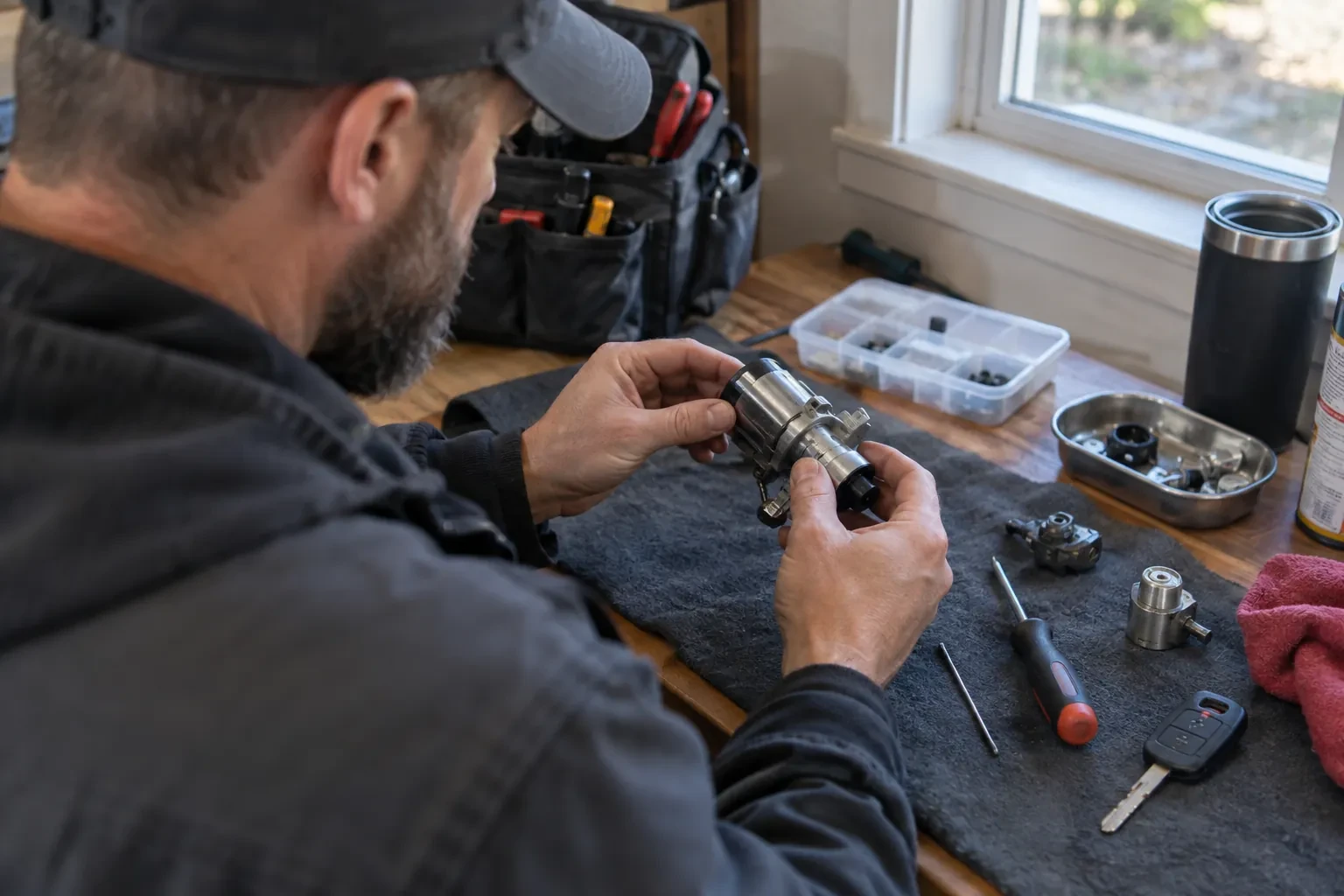
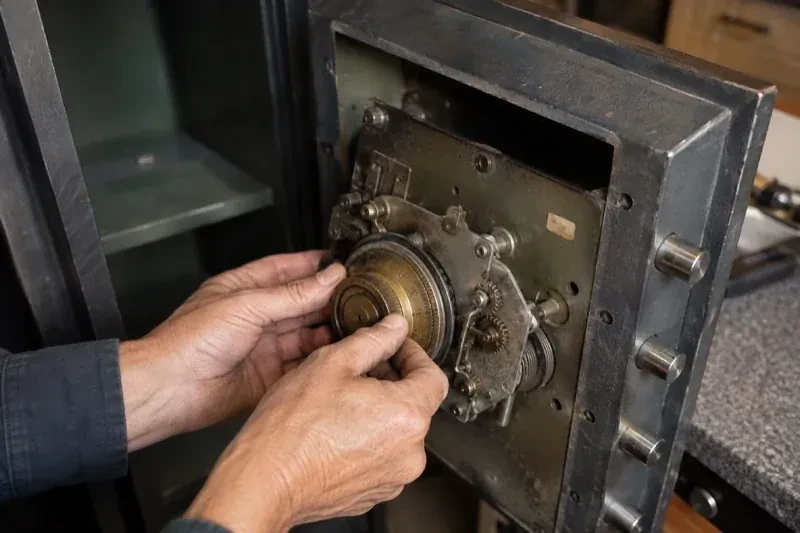
Safe opening favours the gentlest method that fits the particular safe and lock, with drilling kept as a later option rather than a first resort. Manipulation and decoding are tried first for a mechanical dial, and a manufacturer reset or override path where one exists for an electronic keypad. Where those routes are unavailable or exhausted, drilling enters the conversation, aimed at a point the maker's own service literature marks as reachable and repairable. Most safes that still have their original lock in reasonable condition never reach that last rung at all.
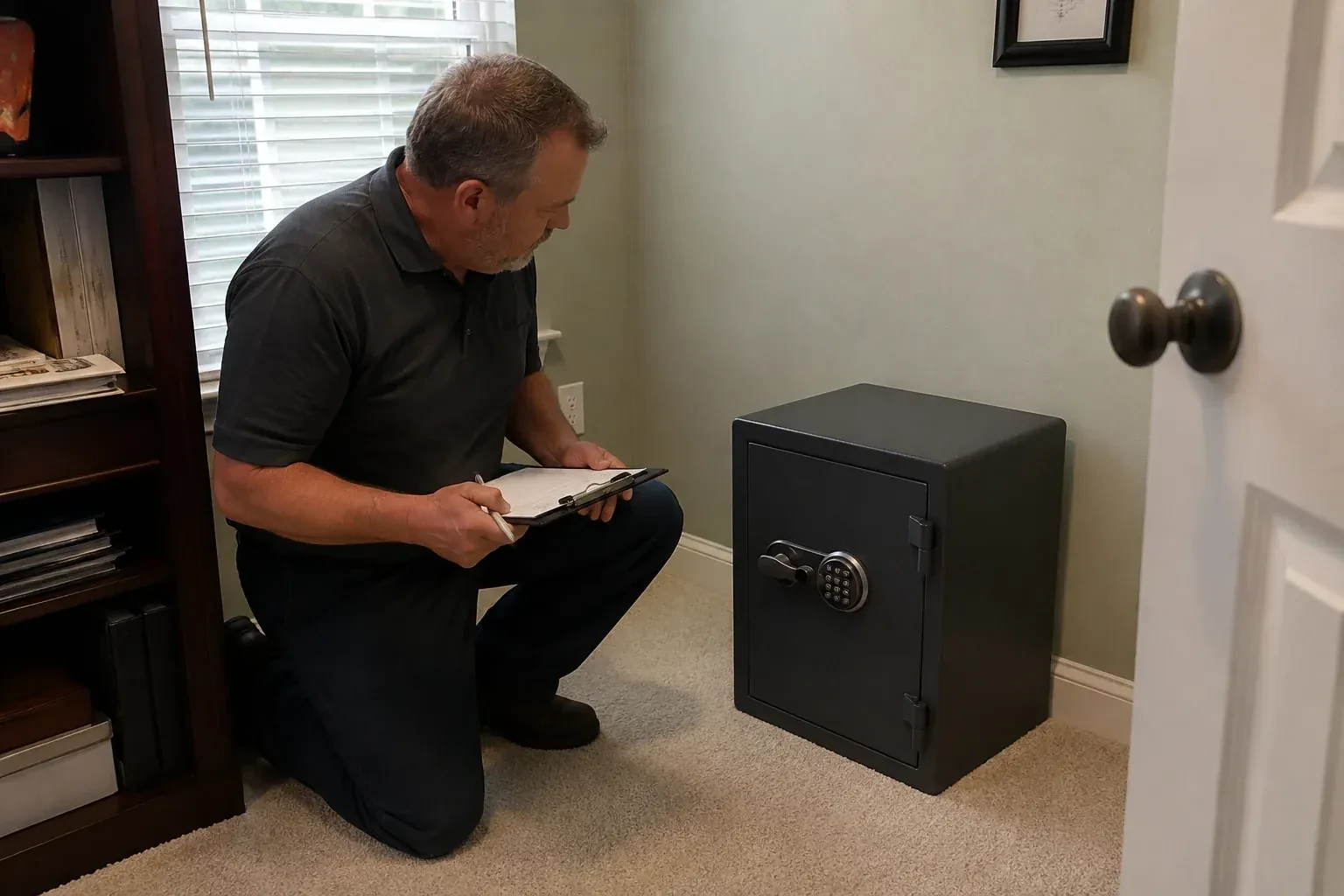
How the visit goesA safe sat in a late parent's basement for years, its combination known to nobody left in the family, and everyone would like to know what is actually inside it.
Safe Opening & Combination Change
How the visit goes
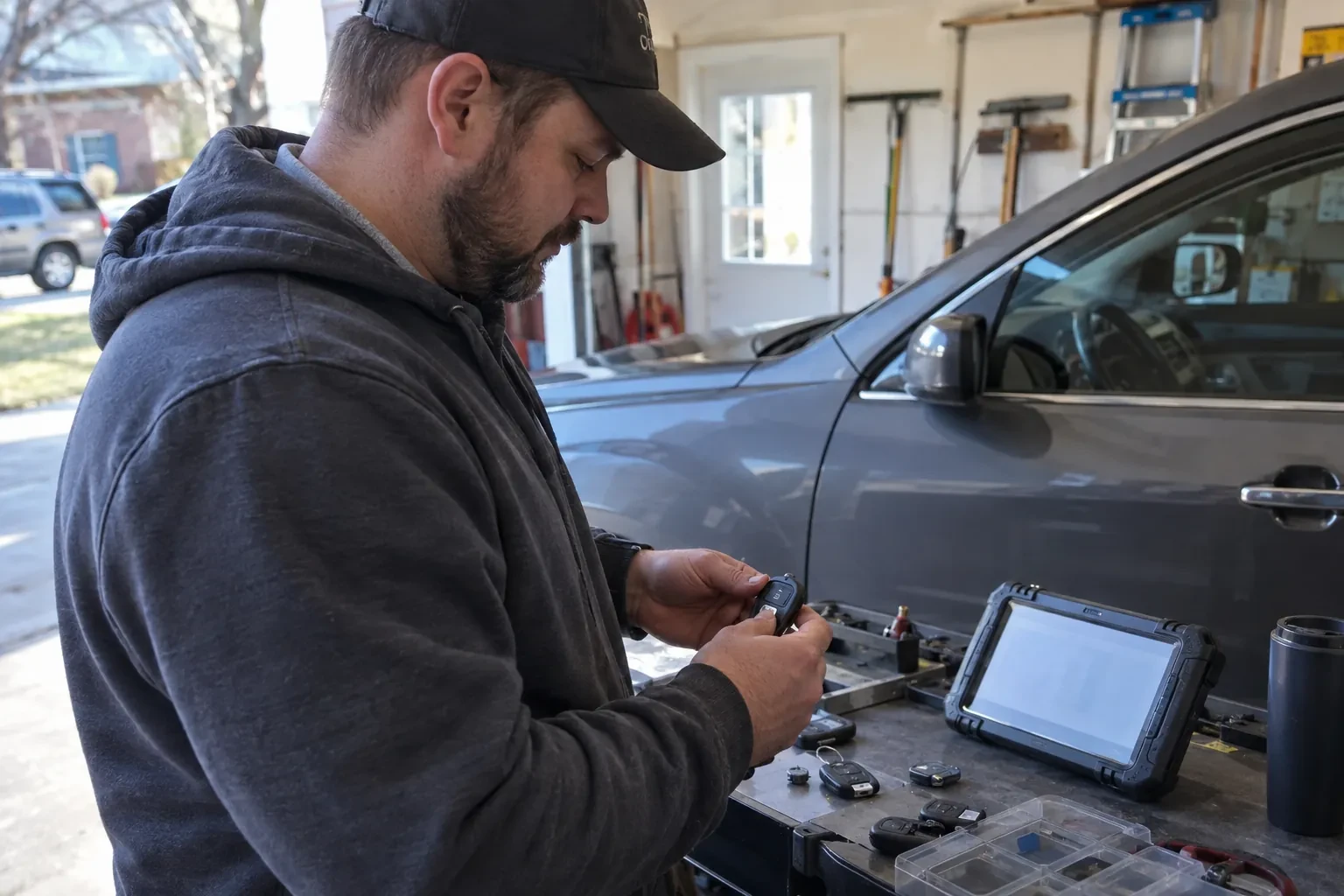
Looking for a relocker or prior damage
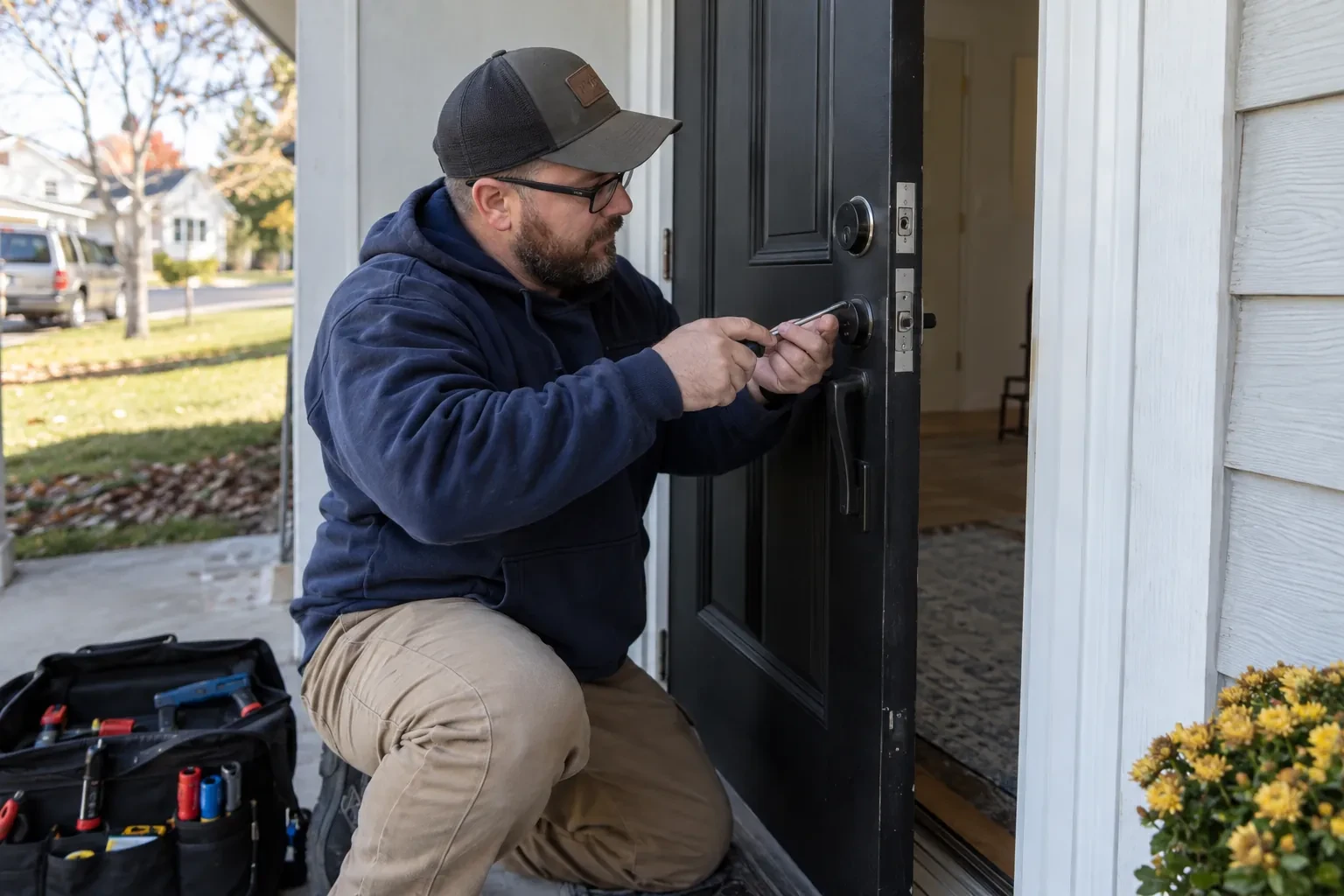
Some safes include a relocker, a small device built to jam the bolt work until a trained technician services it, if the case is drilled in the wrong place, dropped, or exposed to fire. The locksmith looks for pry marks, drill attempts, scorching or a history of the safe being moved or dropped, since any of these can explain a lock that suddenly refuses a combination that worked yesterday. Recognizing a tripped relocker early changes the plan: the fix is mechanical, freeing or replacing the relocking mechanism, rather than another attempt at the original combination or a straightforward reset.
Repairing or replacing the lock afterward
Once the safe is open, the lock that caused the trouble gets its own decision. A worn or damaged mechanical lock can often be repaired in place, its wheel pack, drive cam or spindle replaced individually rather than swapping the whole assembly. A failed electronic lock is more often replaced outright with a comparable or higher-rated unit, since circuit boards and keypads are not field-serviceable like a wheel pack. Either path aims for a lock at least as capable as the one it replaces, matched to the case's existing cutout, though restoring the safe's overall rated protection after any field repair follows the manufacturer's approved method rather than being assumed automatic.
A repaired point instead of a hole
If drilling was needed, the hole is closed with a repair plug or patch plate matched to the case material and finish before the visit ends, so the safe's exterior shows a single small, professionally finished repair rather than an open hole. Where the drilled point affected the lock's original security rating, that is explained plainly, along with whether the replacement lock restores it. Restoring the case's original protection at that point follows the safe maker's approved repair method rather than being assumed automatic, since drilling can affect fireboard or barrier material there; the rest of the case, its steel, hinges and fire lining, carries on as it was.
Safe Opening & Combination Change
In the van
Dial decoding instrument
Replacement dial and ring
Electronic keypad input unit
Spindle and drive cam
Nine-volt and lithium batteries
Safe Opening & Combination Change
What affects the quote
Whether model or service records are available
A visible data plate, a purchase receipt or a manual on hand speeds up identifying the exact lock; a safe with none of that takes a few extra minutes to assess on site.
Number of new codes needed afterward
Setting one combination for a single owner is the simplest case; programming separate codes for several staff members on an electronic lock takes correspondingly more time.
Distance to the safe's location
Travel time to the site is part of every call-out, and a location further from the locksmith's usual service area is reflected in the quote alongside the work itself.
What to have ready
- Has the safe ever been drilled or serviced before?
- Roughly how old is the safe, if you had to guess?
- Do you own the safe, or manage it for someone else?
Safe Opening & Combination Change: questions
QuestionsHow should I keep a written record of my new combination?
Somewhere away from the safe itself: a sealed note held by a manager, a separate secure file, or a password manager already used for other business records all work better than a note taped to or near the safe, which is one of the first places anyone would check. Deciding who updates that record when staff change is worth agreeing on before this visit ends.
Will opening my safe damage it?
In most cases the lock and case are left intact, since manipulation, decoding and manufacturer reset paths all work the mechanism the way the original combination would. Drilling is kept for cases where the gentler routes are unavailable or exhausted, aimed at one small point the manufacturer marks as repairable, and patched before the visit ends; a skilled technician aims to leave the rest of the body, hinges and finish unaffected, though the outcome and any effect on the safe's rated protection level depends on its construction.
What if my safe is bolted to the floor or built into a wall?
The opening and combination work proceed the same way regardless of how the safe is mounted; access to the lock face, dial or keypad is what matters, not whether the case itself can be moved. A built-in or bolted safe simply means the locksmith works around its fixed position rather than moving it to a more convenient spot.