Locksmith in Brantford, OntarioRekeying forhomes and businesses in Brantford
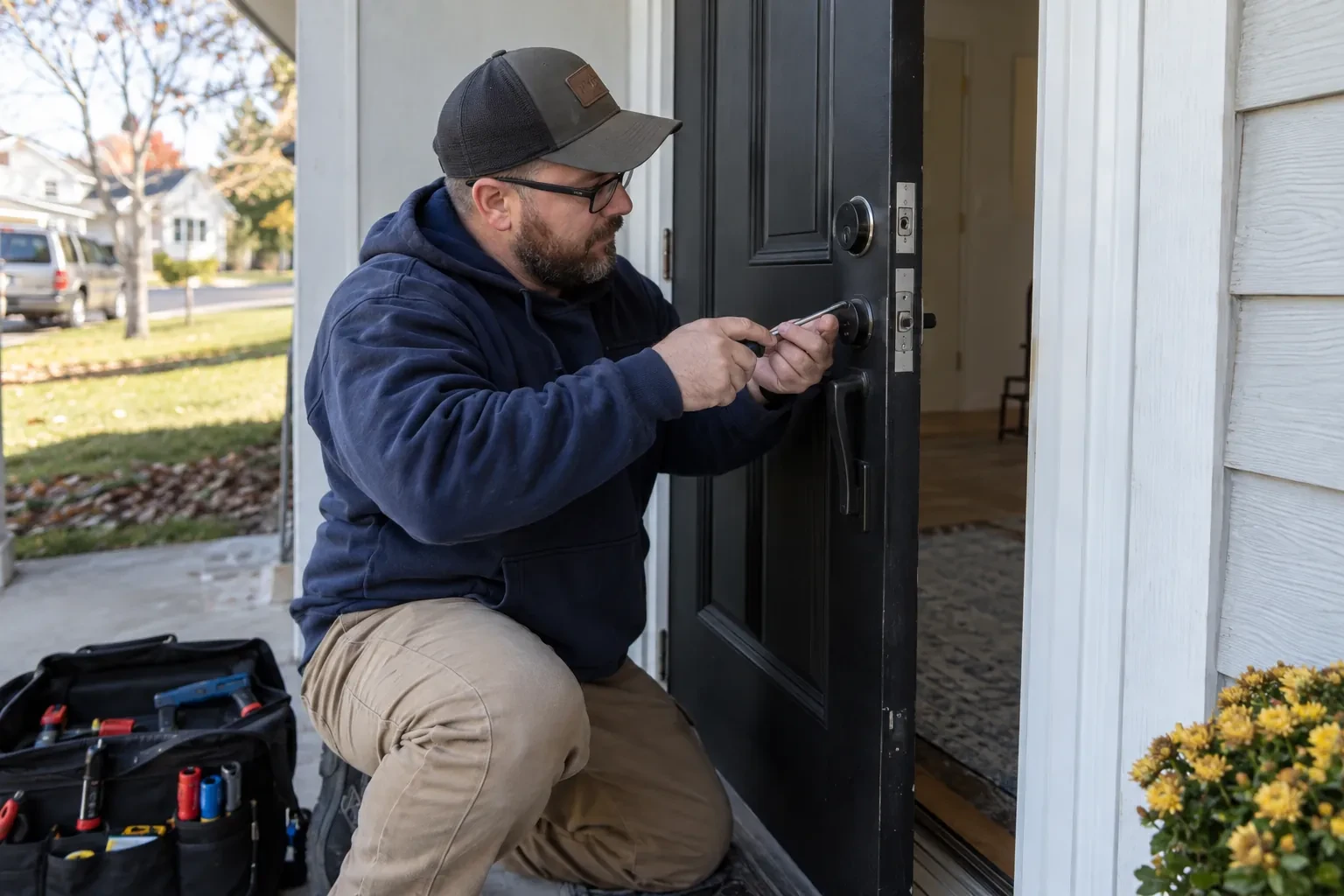
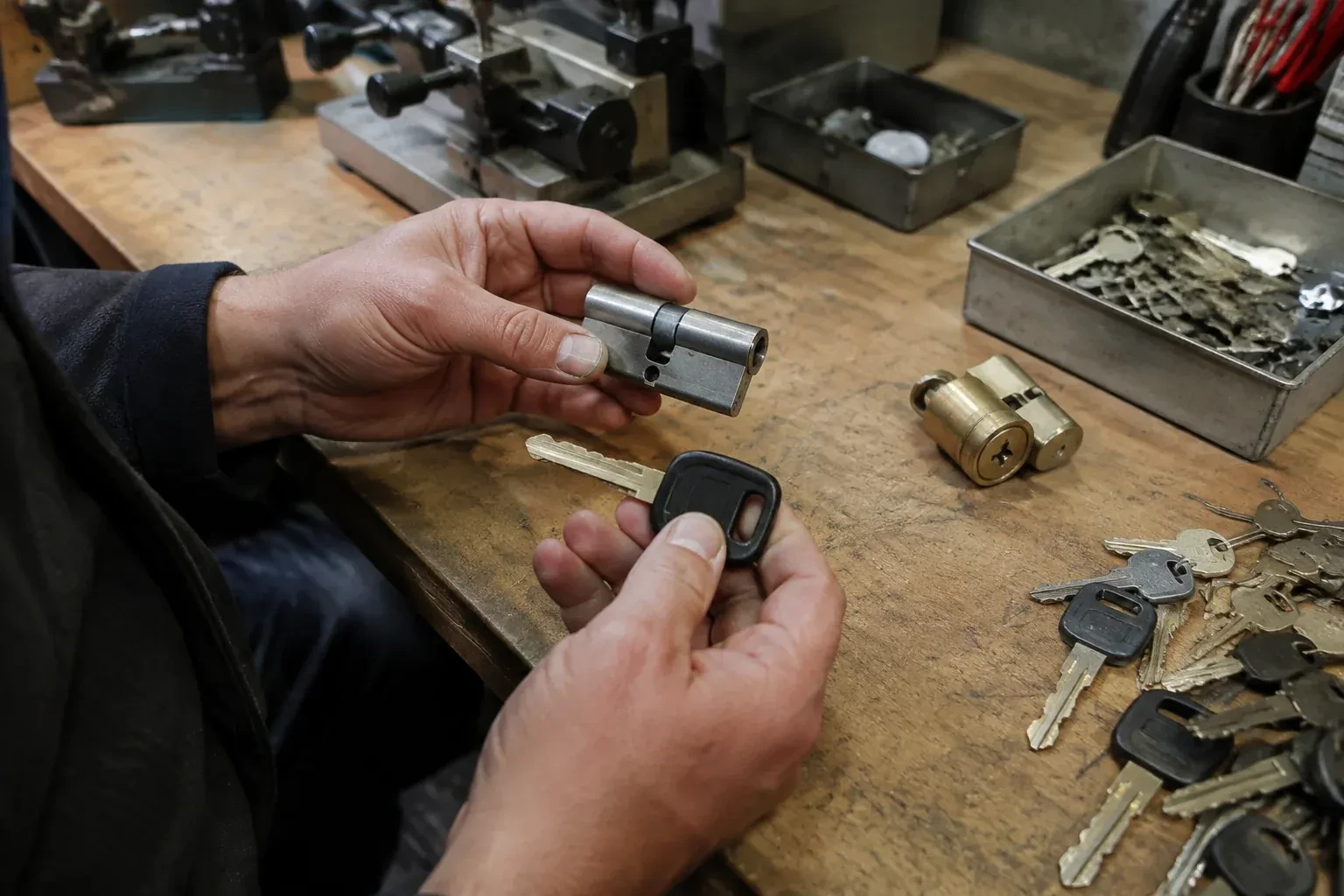
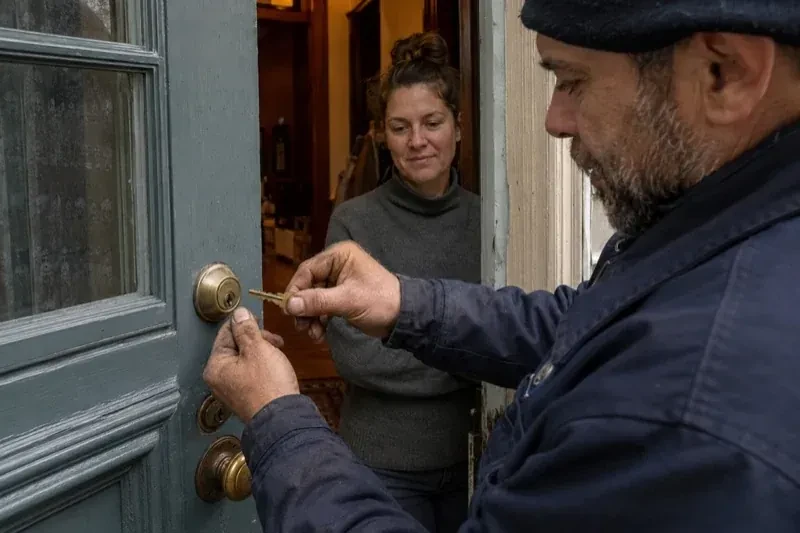
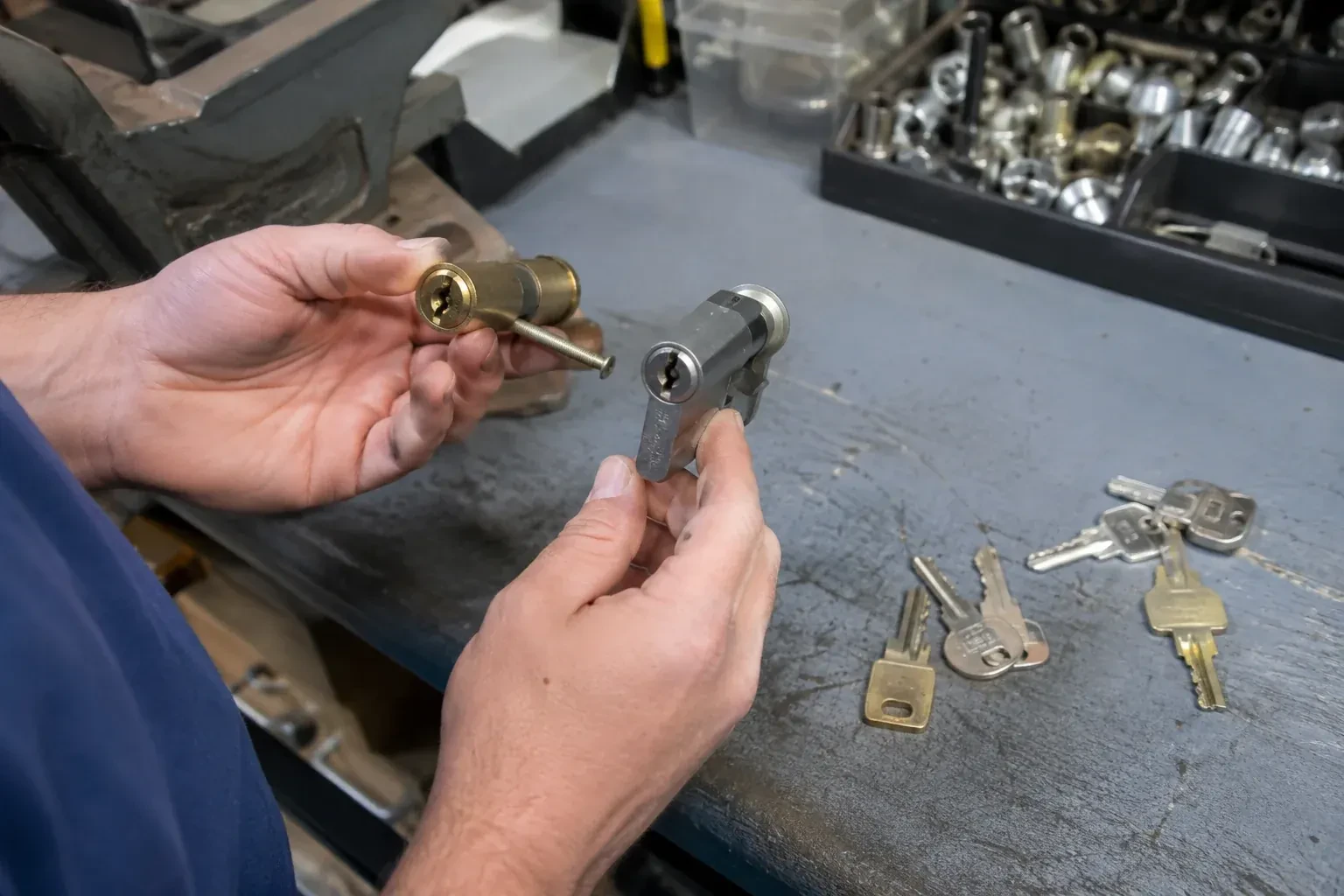
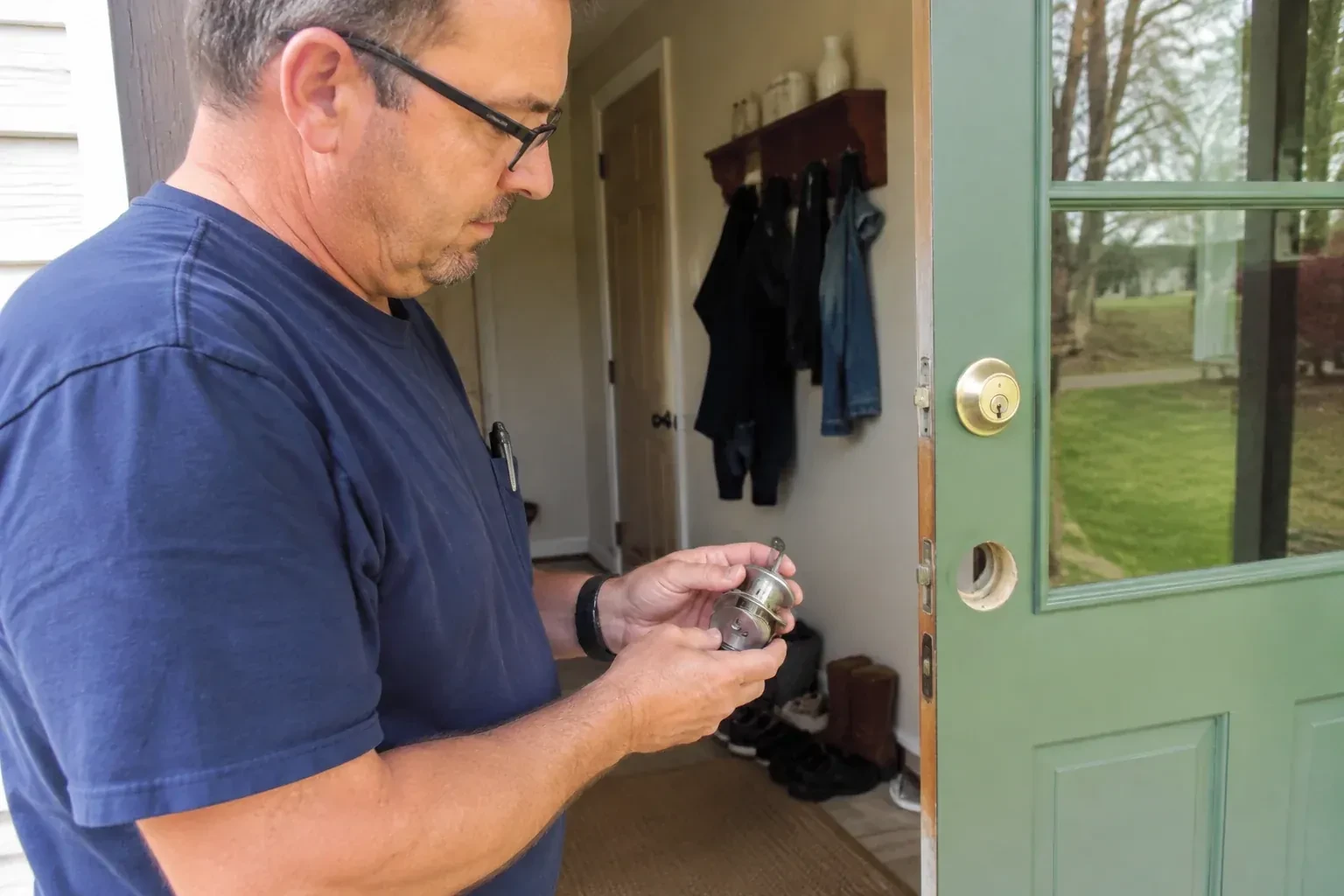
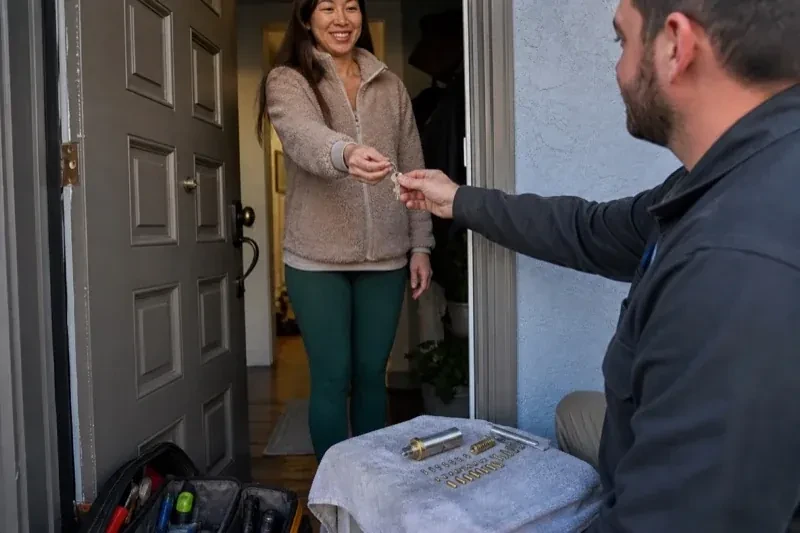
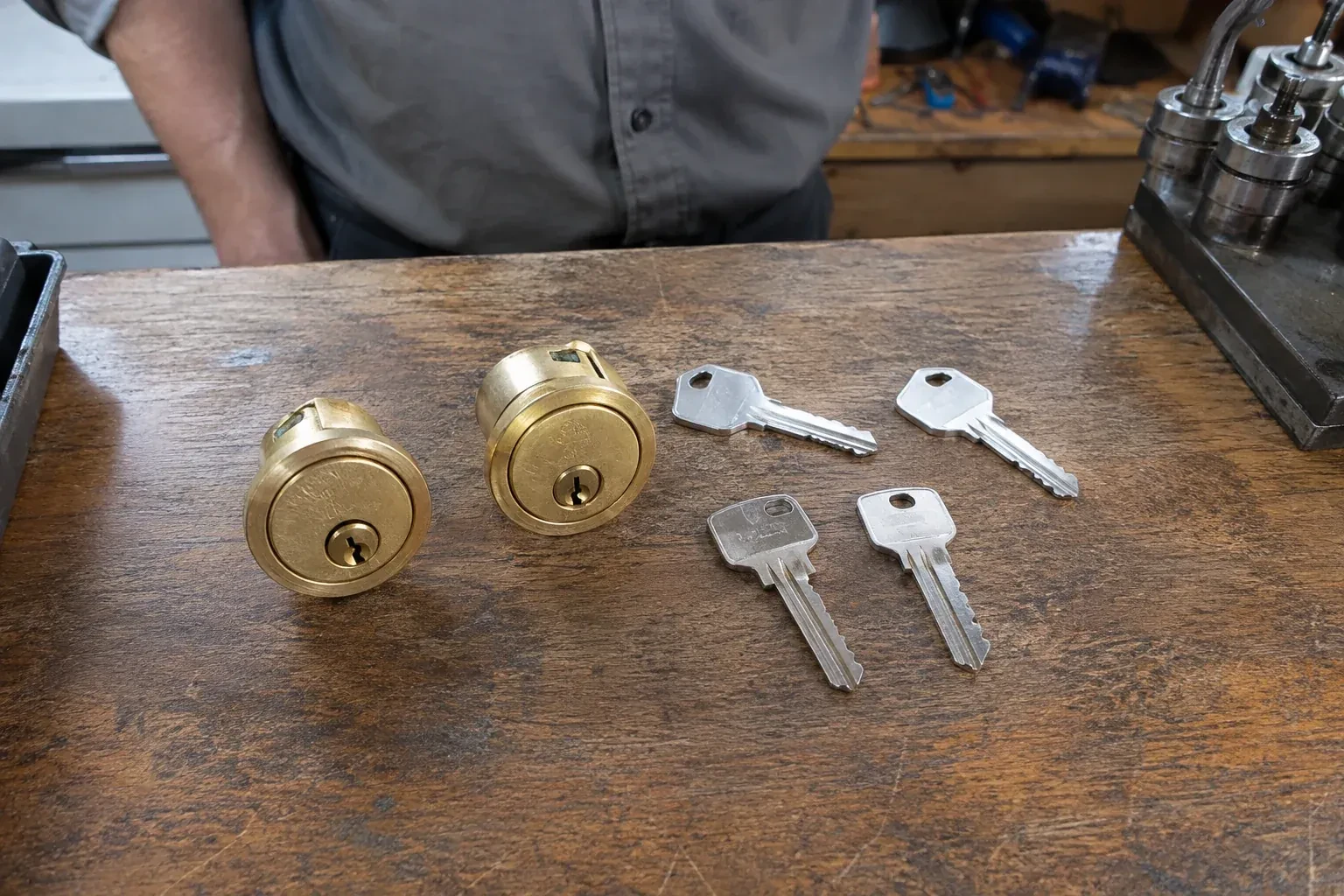
Rekeying keeps the lock you already own and changes which key opens it, which makes it the tidy answer to a lost key, a departed roommate or a staff change. Across Brantford we rekey single doors, whole houses and small commercial buildings, and cut the new keys on the spot.
Rekeying keeps the lock you already own and changes which key opens it, which makes it the tidy answer to a lost key, a departed roommate or a staff change. Across Brantford we rekey single doors, whole houses and small commercial buildings, and cut the new keys on the spot.
Residential, automotive and commercial locksmithing.
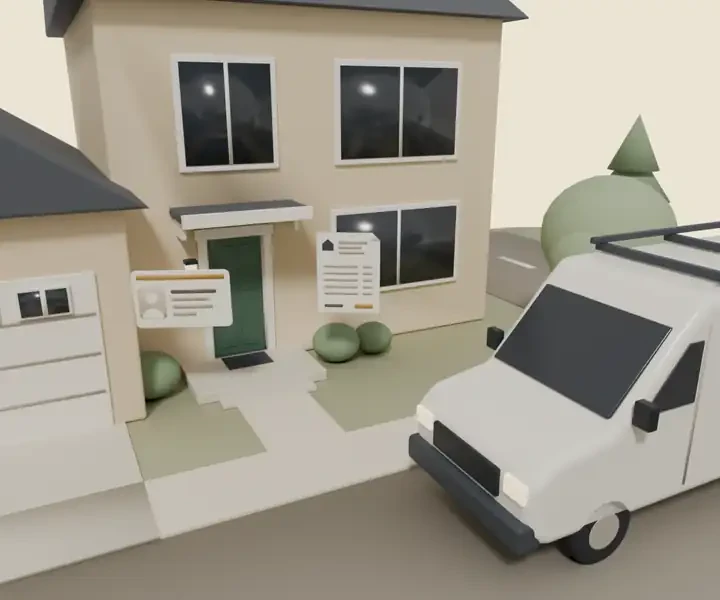
We plan visits around how people in Brantford live. A shop wants the work done before opening or after close. A family wants a time when someone is home and the dog is put away. A landlord wants the unit done between tenants. Tell us the window that suits you and we build the day around it, then call when the van is on its way.
Lost keys are the most common reason people in Brantford reach us, and the conversation always starts the same way. Are the keys truly gone or just out of reach? Who else might have a copy? From those answers we decide between a simple opening, a rekey or a lock change, and we explain what each one means before touching the door.
35years in business
24/7open every day
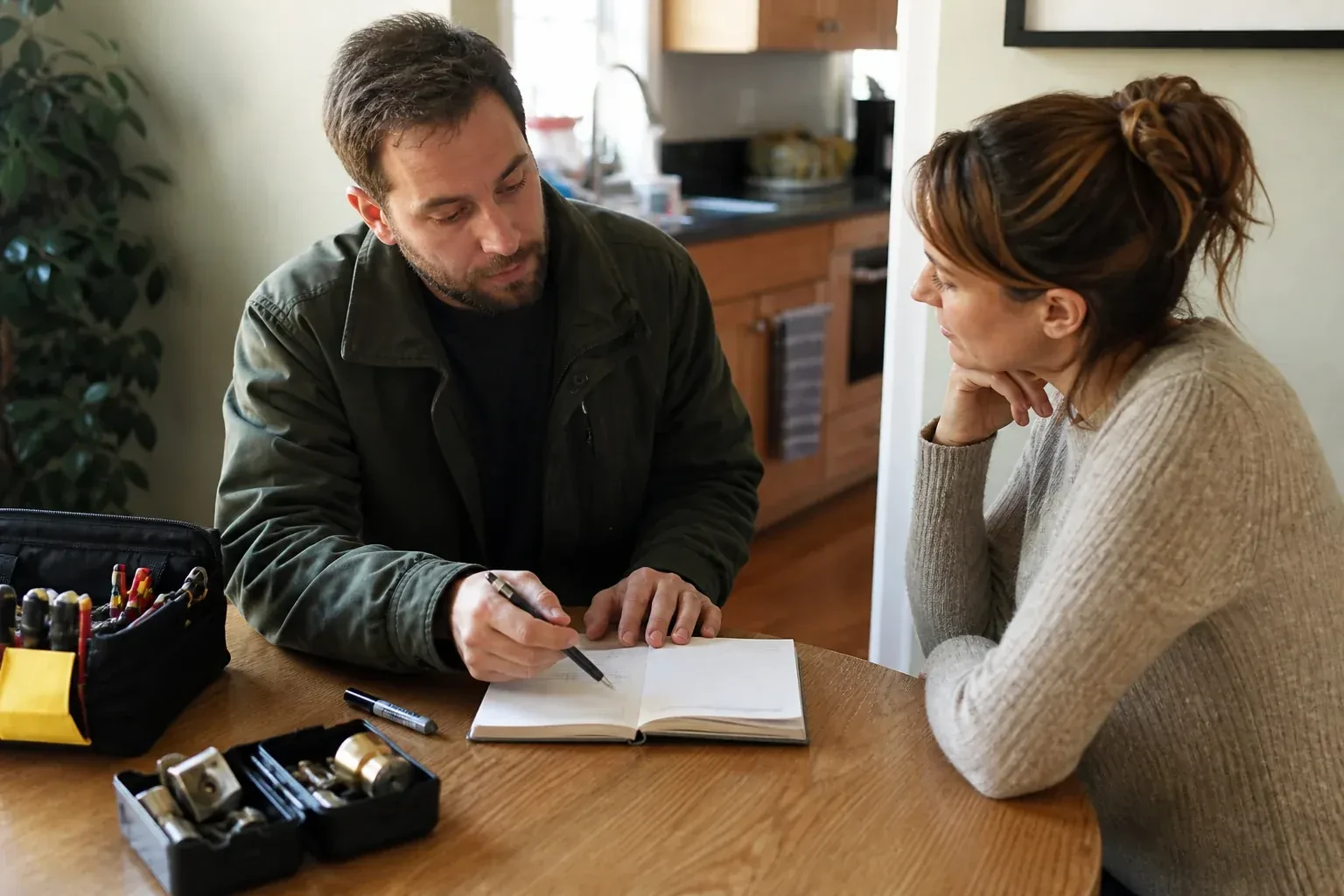
Explained before any tool comes out. You will hear what we found, what we suggest and why, before anything is changed. If you want a minute to think, take it.
Choices, not a single answer. Most problems have more than one fix. We lay out the practical options and the trade-offs, then let you choose the one that fits your home and budget.
A tidy doorstep. Shavings swept, packaging taken away, the old hardware offered to you or disposed of. The only sign we were there is a lock that works.
The pages linked here cover each lock service available in Brantford in the same plain format: the situation it solves, what the locksmith checks first, how he does the work, and how to care for the result. Pick the one that sounds like your door, then reach out to arrange a visit.
About 63% of homes in Brantford were built in 1980 or earlier, according to the 2021 Census.
Older homes
In neighbourhoods of established homes, keys have often been copied many times over many owners. Rekeying every exterior door to one fresh key is the common first job, and it works on old cylinders just as well as on new ones.
Single-detached houses make up about 61% of homes in Brantford (2021 Census).
Mostly houses
Where homes are mostly detached, patio and sliding doors deserve attention alongside the hinged ones. Auxiliary locks, pin locks and better latches for sliders are routine additions that a locksmith brings on the same visit as the front door work.
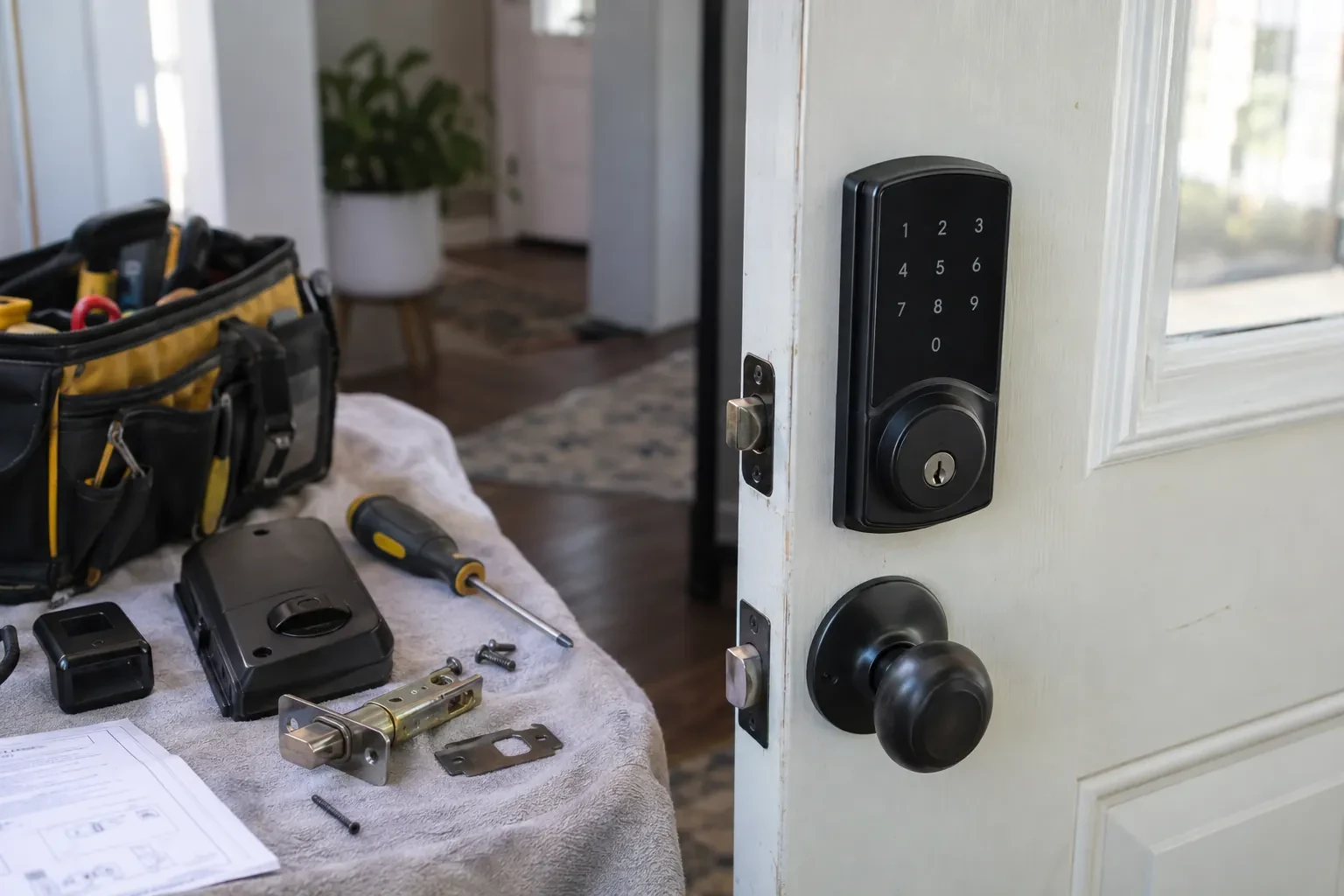
Three teenagers, a dog walker, a cleaner and one house key that keeps going missing. You are tired of cutting copies and would rather give each person a code you can switch off, with a proper deadbolt behind it.
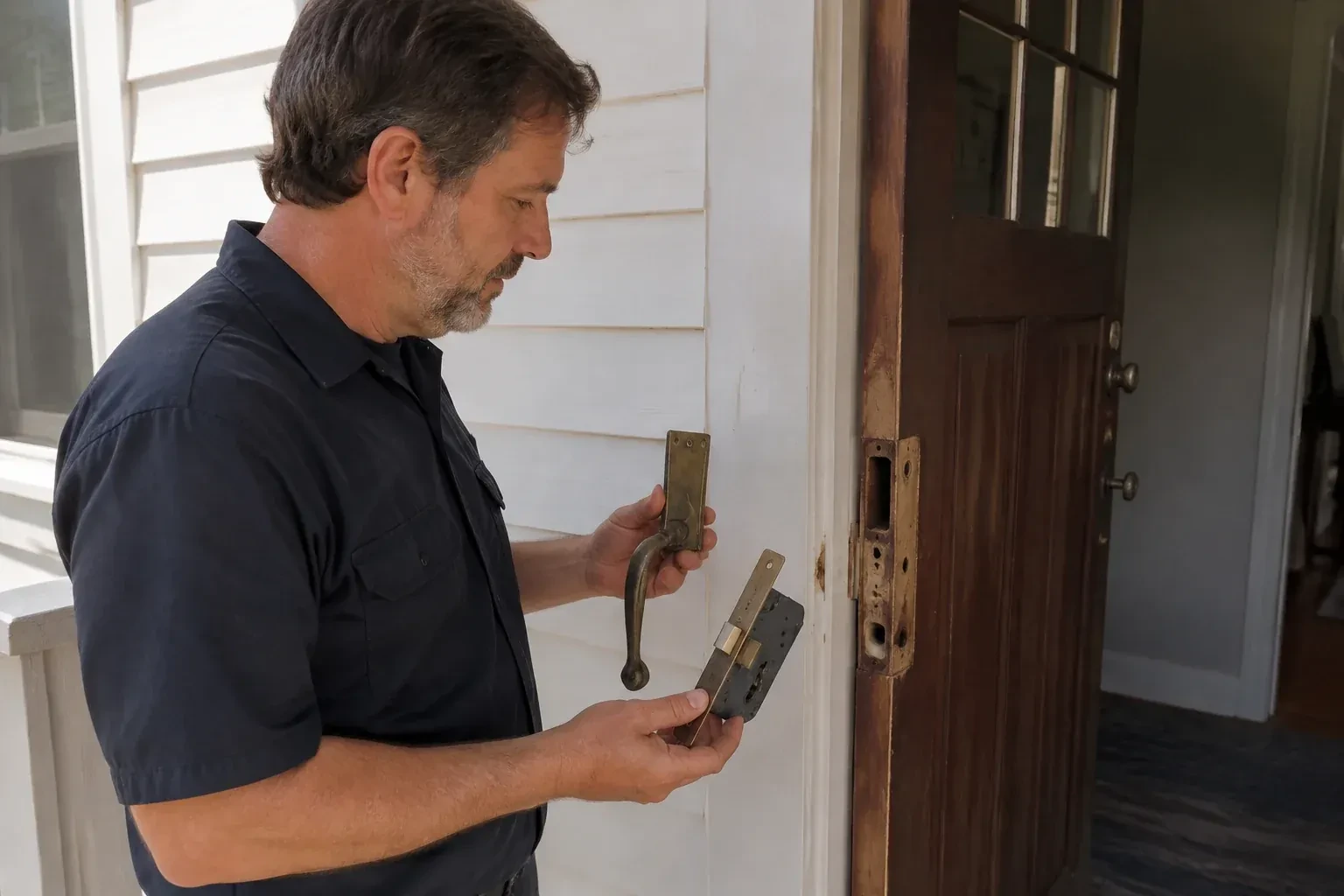
The interior bedroom doors on the second floor have the original mortise latches, and none of them close any more. The doors drift open, the small brass turn buttons do nothing, and the keyholes have been empty for as long as anyone can remember.
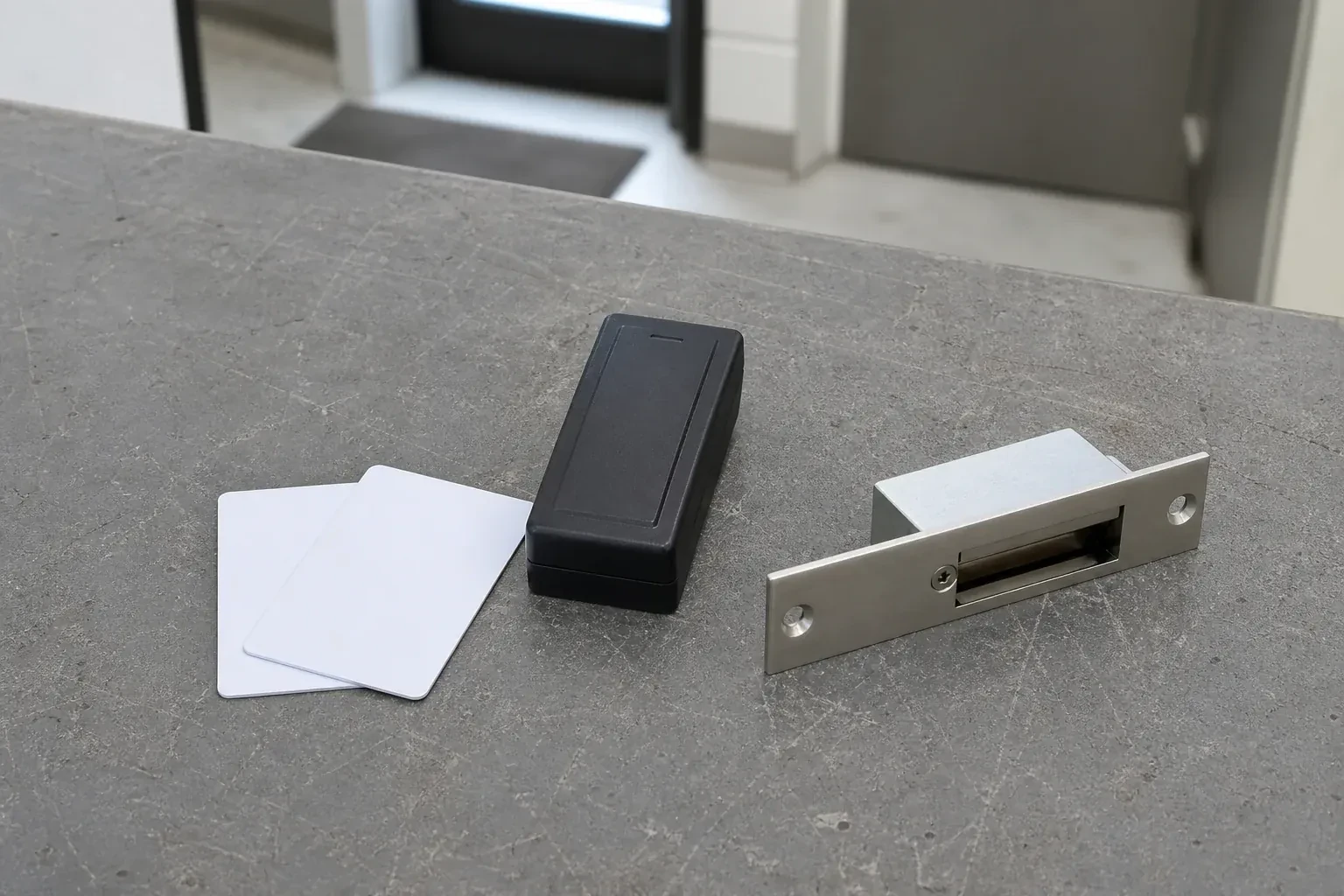
A visitor buzzes from the panel downstairs, someone presses the button by the door, and nothing happens. The electric strike on the lobby door used to click open on cue; now it stays silent, and residents are propping the entry with a folded flyer instead.
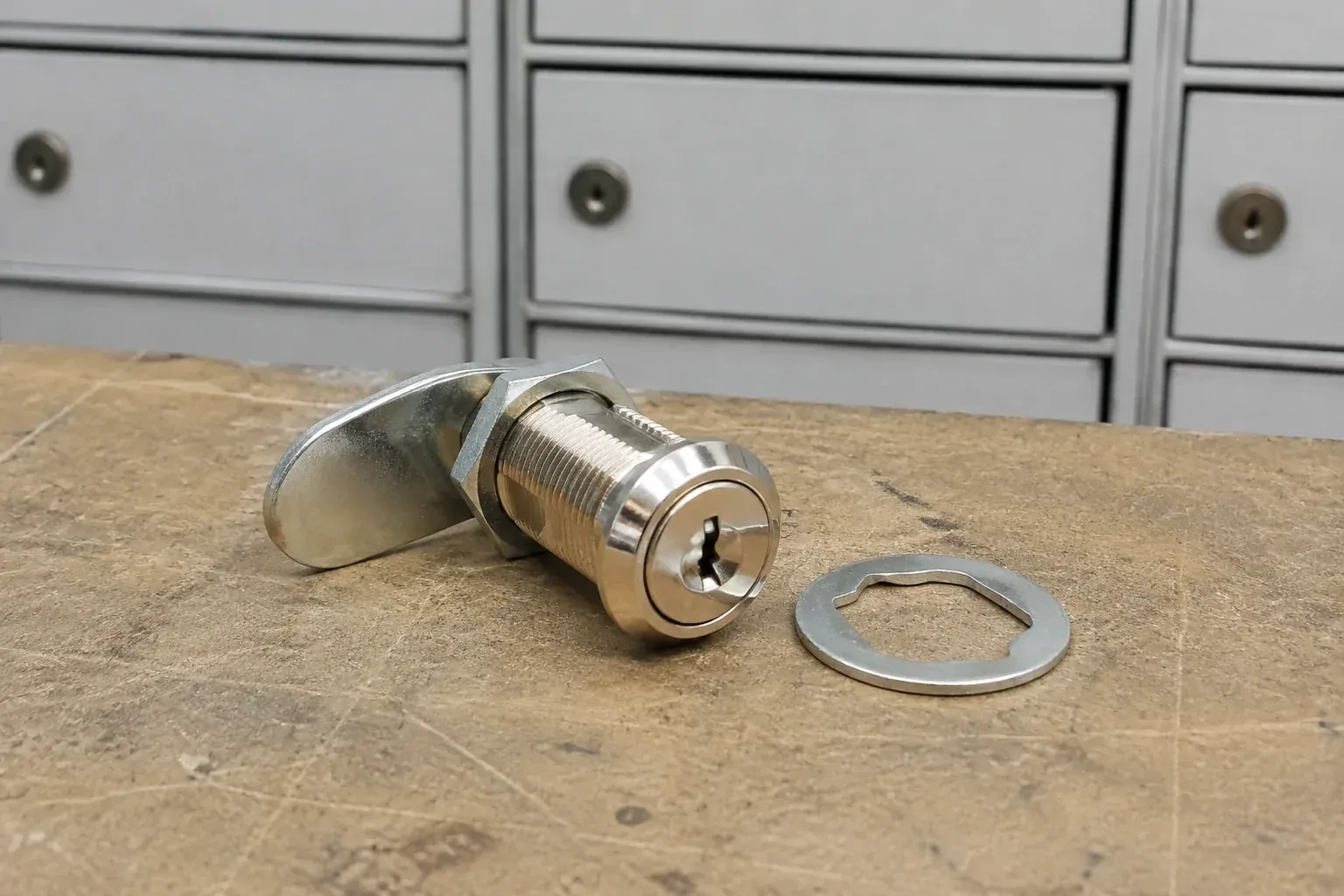
The mailbox key snapped clean off in the lock last week, and the stub is still sitting somewhere inside the cylinder. Nothing else on the ring gets anywhere near that keyway, and the mail is piling up because of it.
The pharmacy stockroom, the server closet or the cash office is protected by the same ordinary cylinder as the staff washroom. One lost key on a lanyard would open all of them.
The keypad on the side door has started sticking on cold mornings, codes get shared instead of reset, and half the staff still remember a code you meant to retire two hires ago.
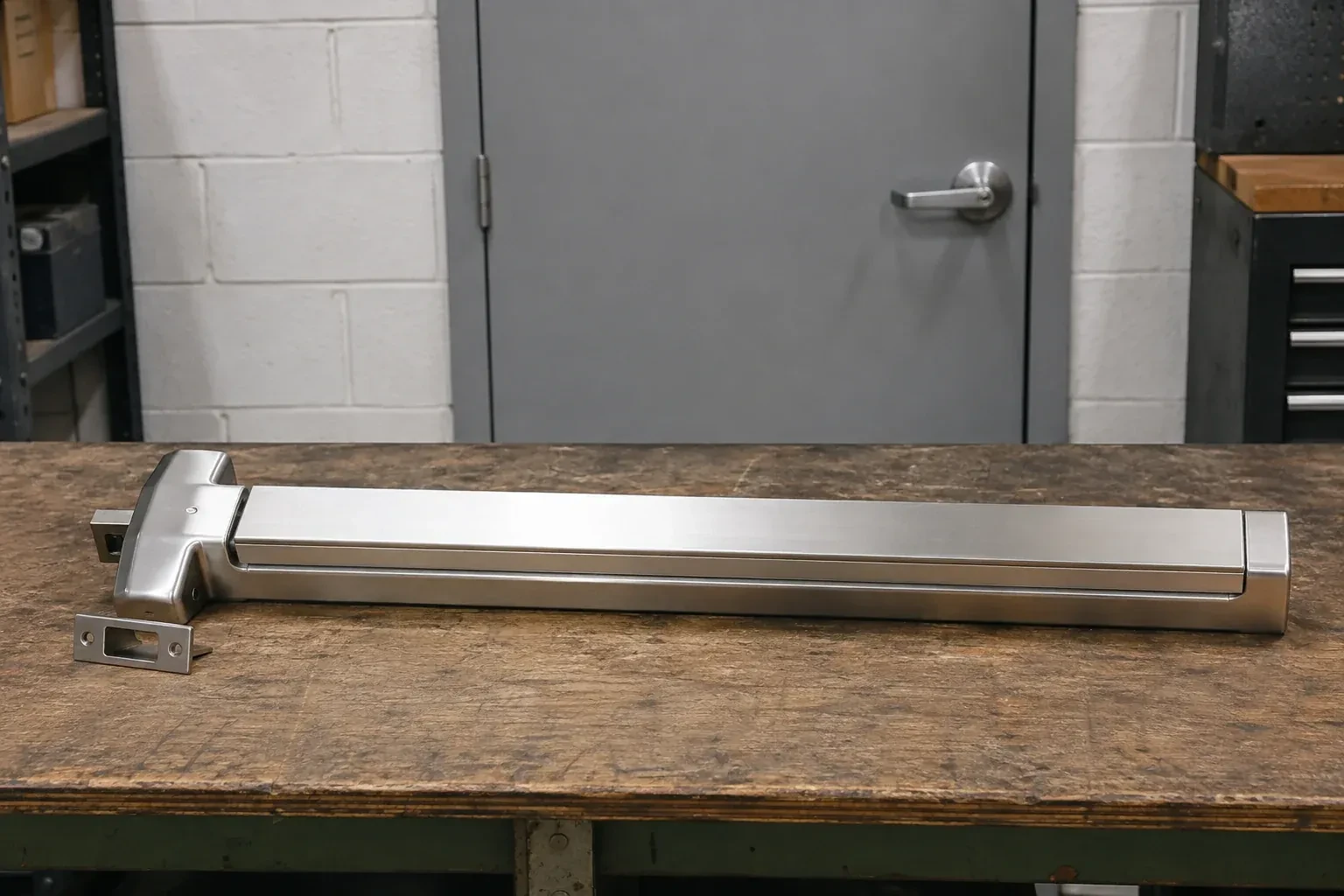
The fire inspector's note is blunt: the banquet hall's second exit still turns on a deadbolt, and the crowd it is rated to hold needs a door that opens under one motion, no key involved.
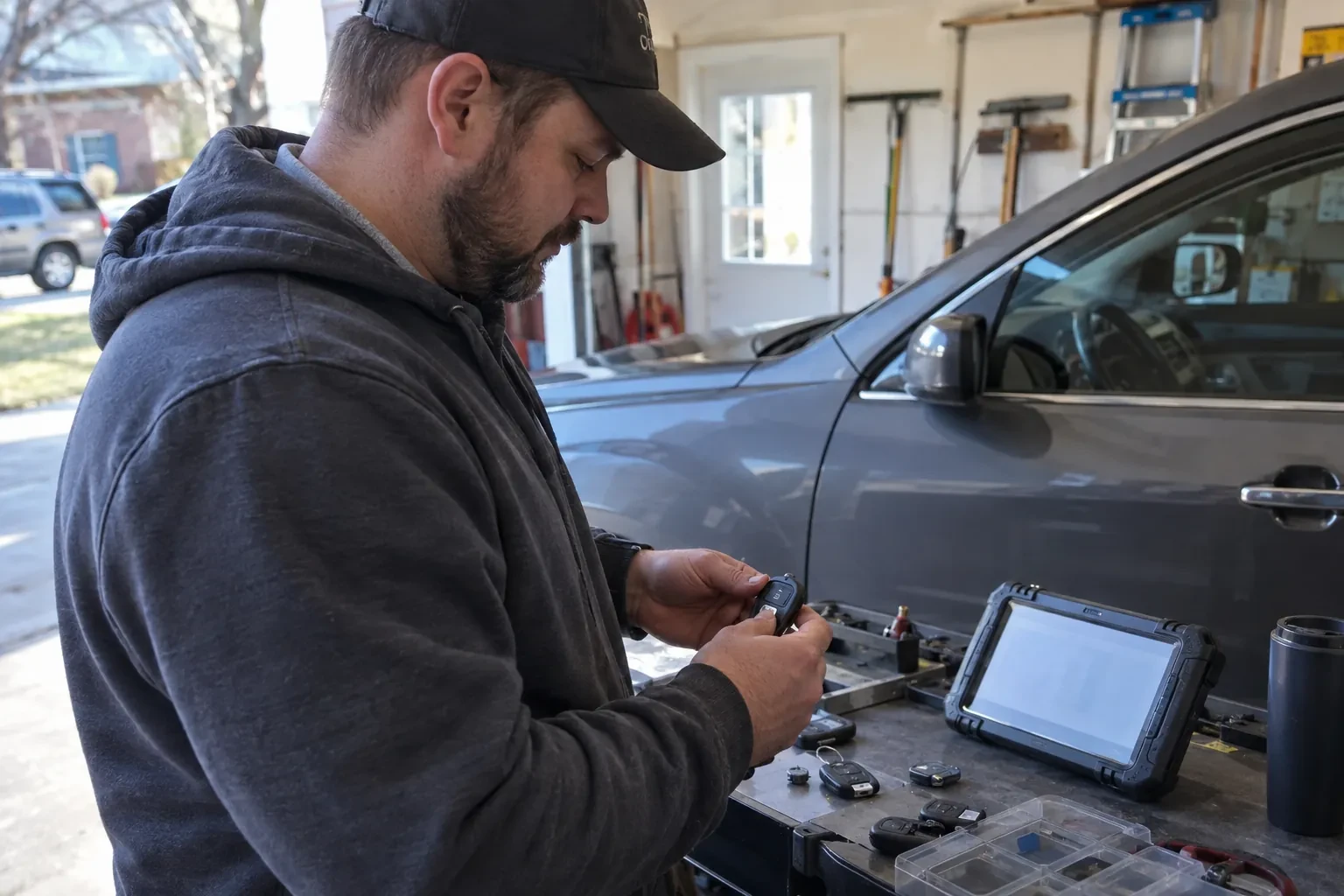
The proximity fob has ridden in a pocket for years, the range feels shorter than it used to, and a dashboard warning mentioned a battery a while back. Nobody has sorted out what happens on the day it finally goes dark.
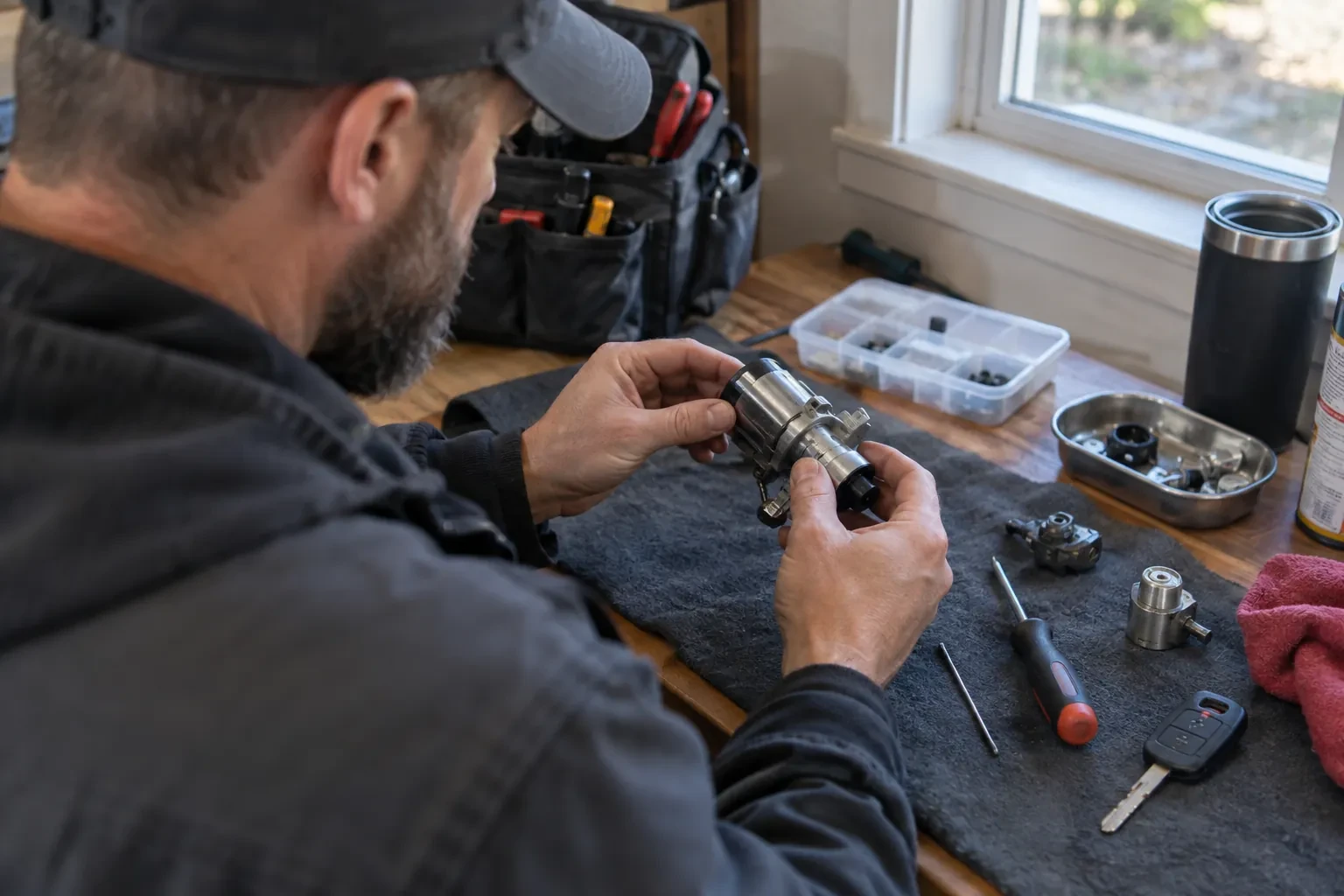
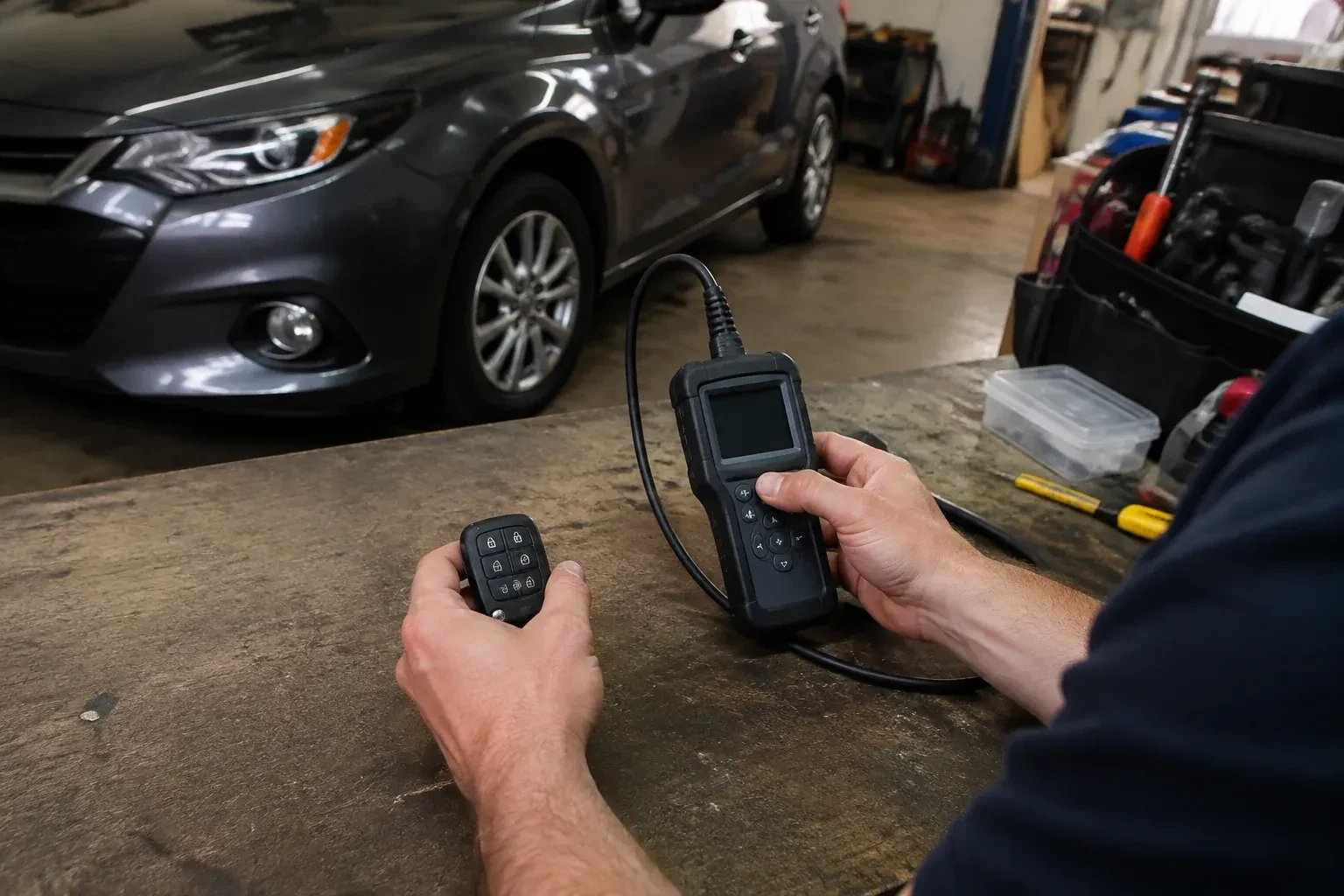
The remote clicks the way it always has, but the vehicle no longer locks, unlocks or answers with its usual chirp. Nothing on the dash reacts either. A fading battery inside the fob is the likely reason, even though the fob itself looks and feels completely normal.
Commercial doors are used by staff, customers, cleaners and deliveries, all with different needs and none of them careful. The hardware has to be built for that, and the keying plan has to make sense to whoever manages the building next year.
WhyOccasionally a case really is finished, with a cracked body, a bolt worn to a sliver or a hub broken in two, and the answer is a replacement that respects the door.
A visitor buzzes from the panel downstairs, someone presses the button by the door, and nothing happens.
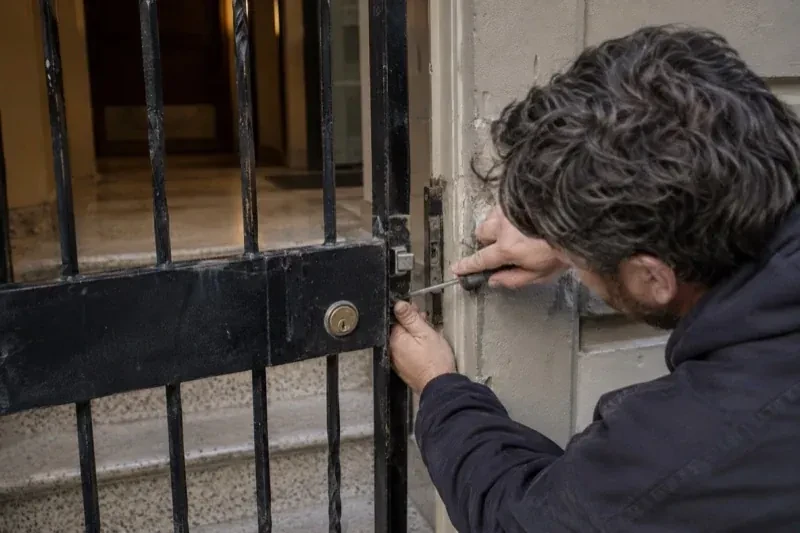
WhyHardware bolted to a gate or an exterior building door lives outside every day of the year, which is a different job from a lock tucked behind a storm door.
The mailbox key snapped clean off in the lock last week, and the stub is still sitting somewhere inside the cylinder.
WhyThis service suits anyone who wants to stop wondering.
The keypad on the side door has started sticking on cold mornings, codes get shared instead of reset, and half the staff still remember a code you meant to retire two hires ago.
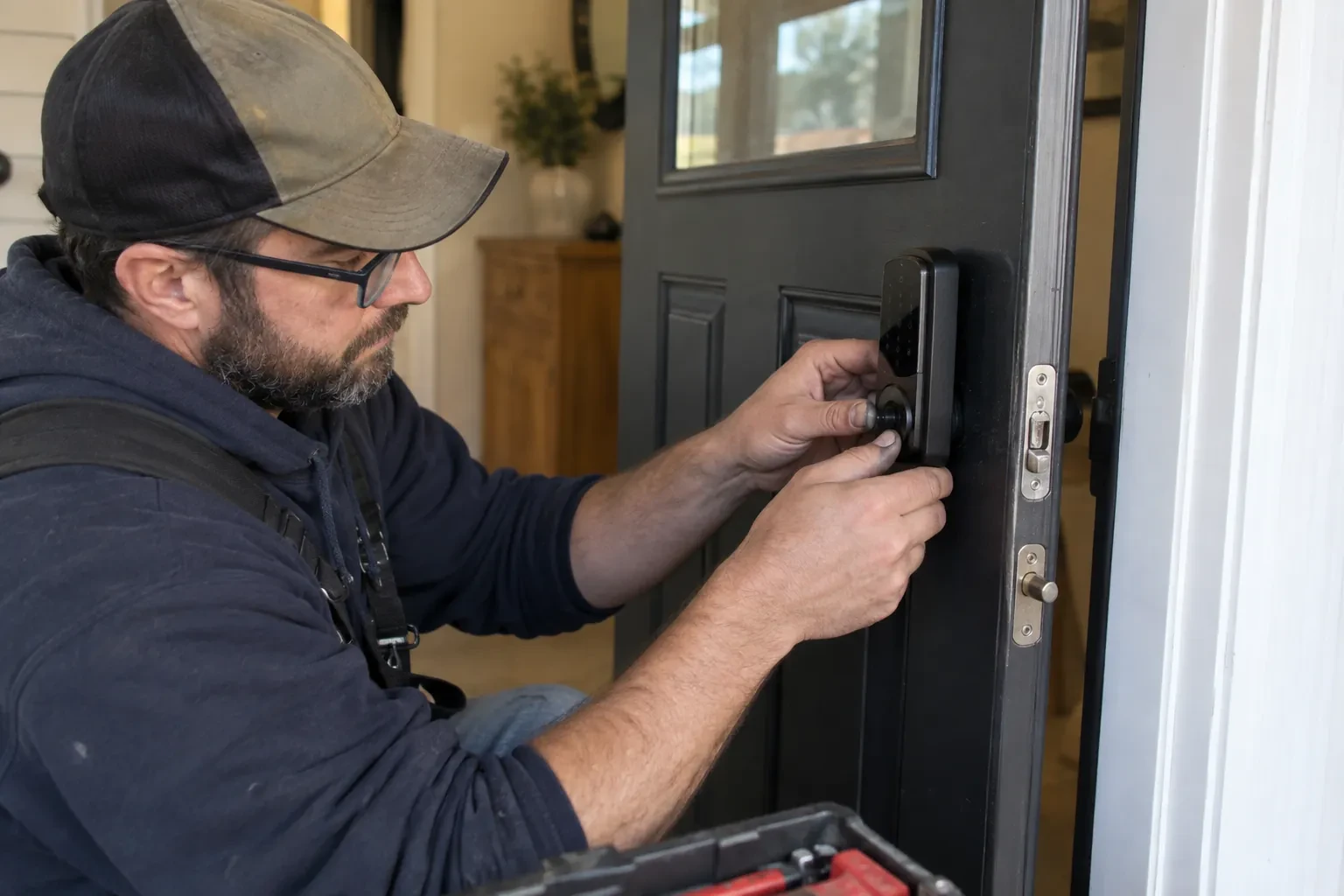
WhyAccess control installation swaps a shared metal key for an electronic one: a card, a fob, a code, or a phone tap that a controller checks against a list the business manages.
The fire inspector's note is blunt: the banquet hall's second exit still turns on a deadbolt, and the crowd it is rated to hold needs a door that opens under one motion, no key involved.
WhyPanic and exit hardware installation fits a commercial door with a device that releases the latch the moment someone pushes on it from the inside, so the room's occupants are never asked to find a key to leave.
The proximity fob has ridden in a pocket for years, the range feels shorter than it used to, and a dashboard warning mentioned a battery a while back.
WhyFobs age the way most electronics do: batteries fade, buttons stick, cases crack after years on a keyring.
How a visit goes
Describe the property, the hardware and what has changed, and the visit starts from what you have seen.
1
2
3
01
Deciding what to replace
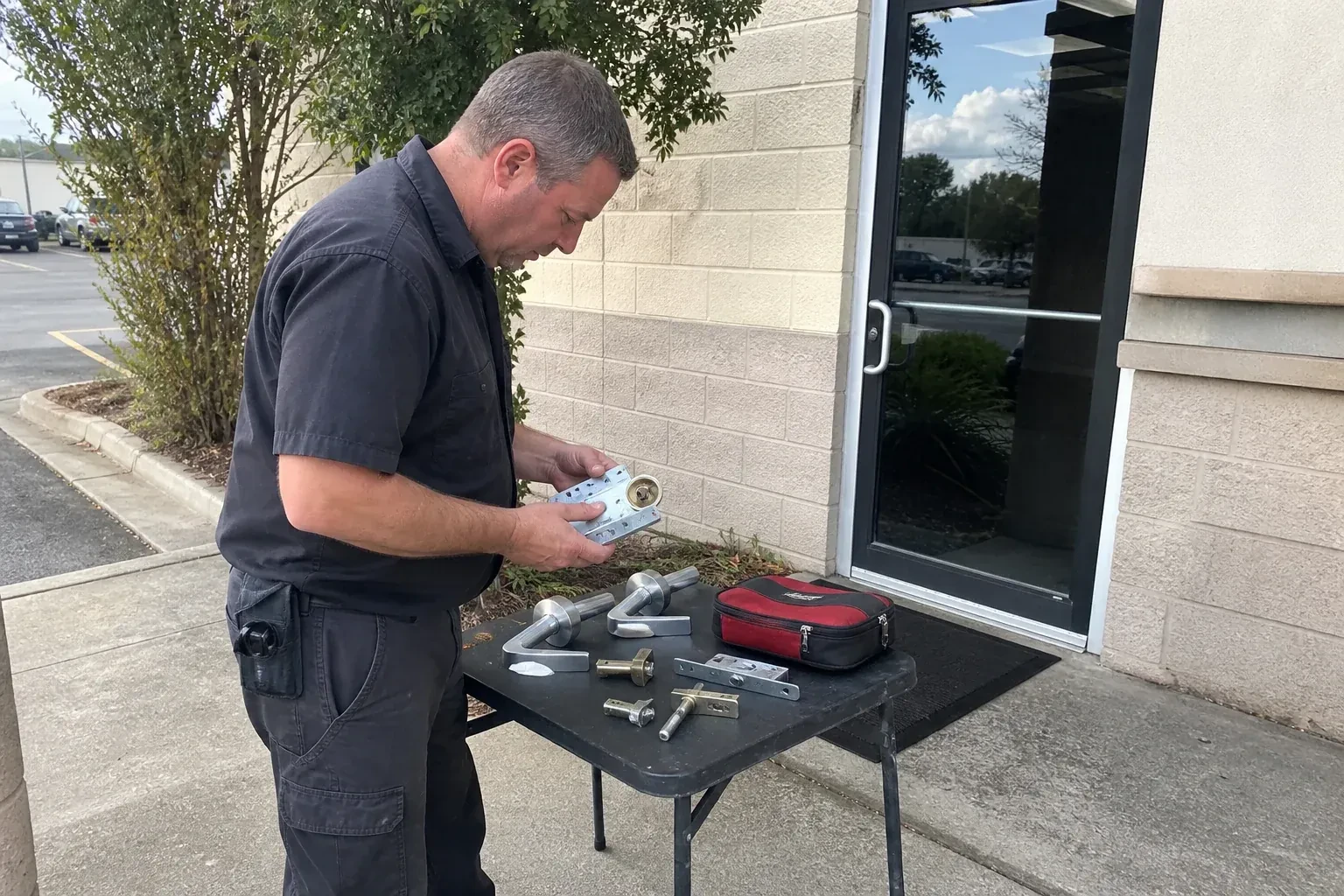
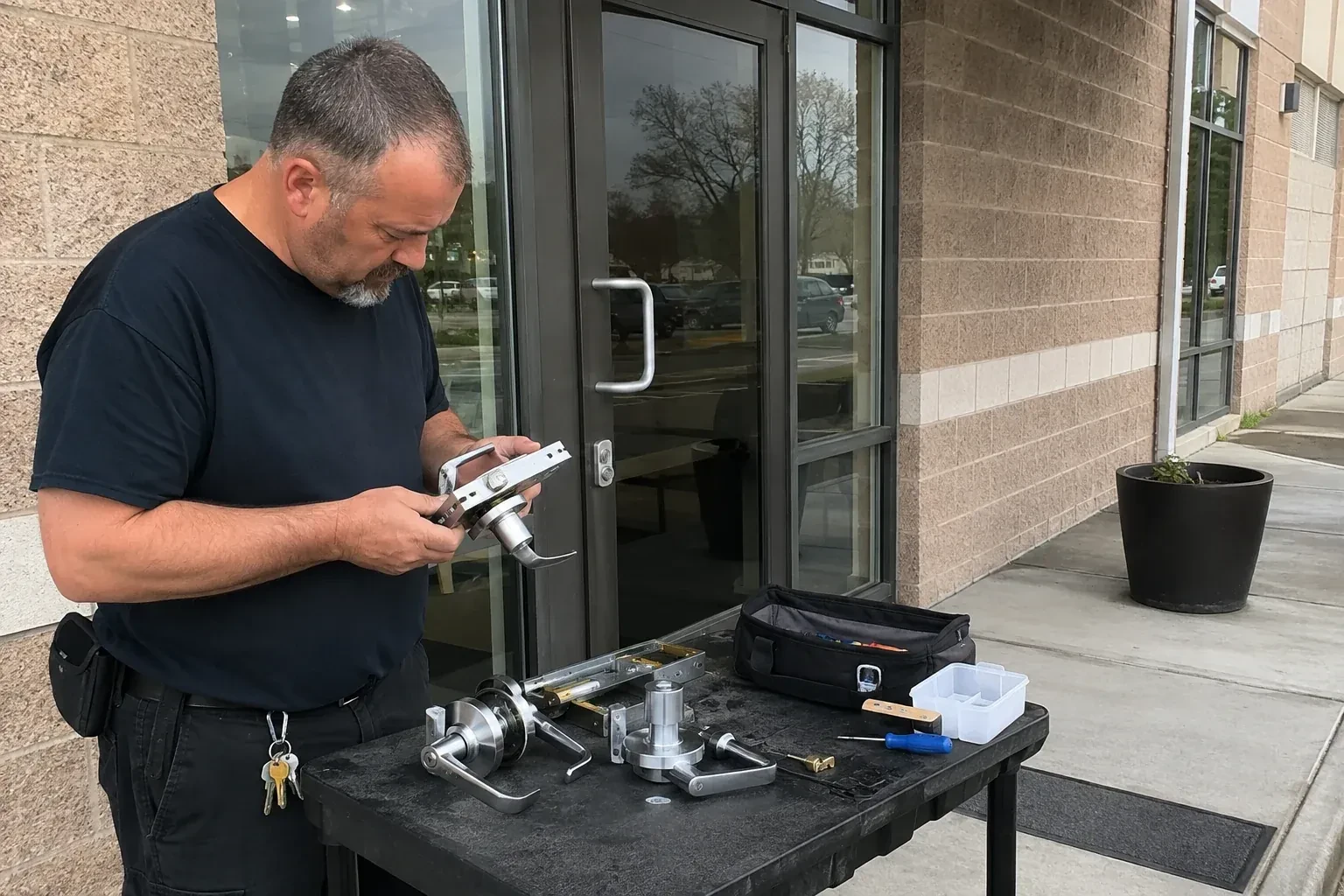
We look at the existing lock, the door thickness and the holes already drilled. Sometimes a new cylinder is enough; sometimes the whole lockset has earned its retirement.
02
Fitting the new hardware
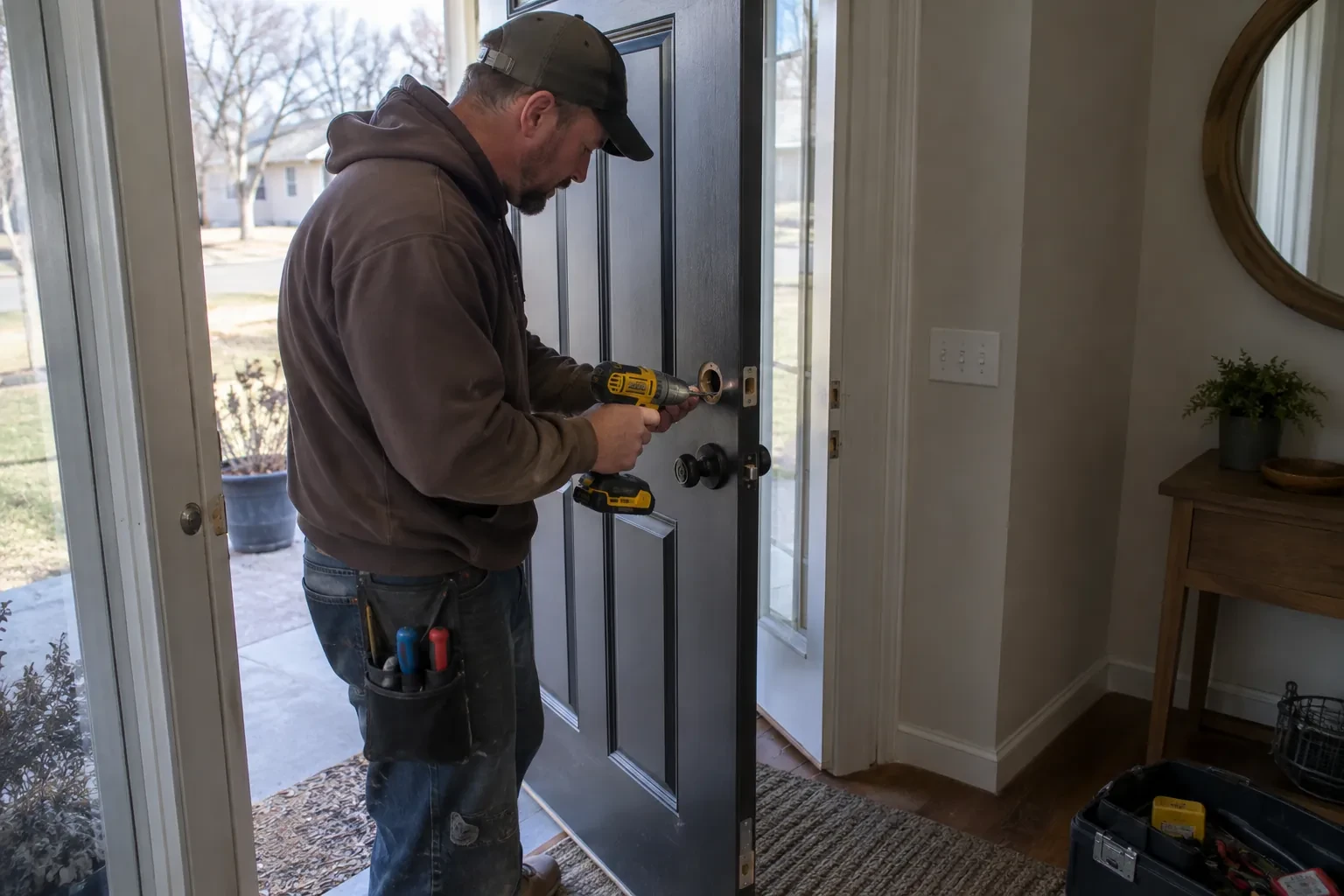
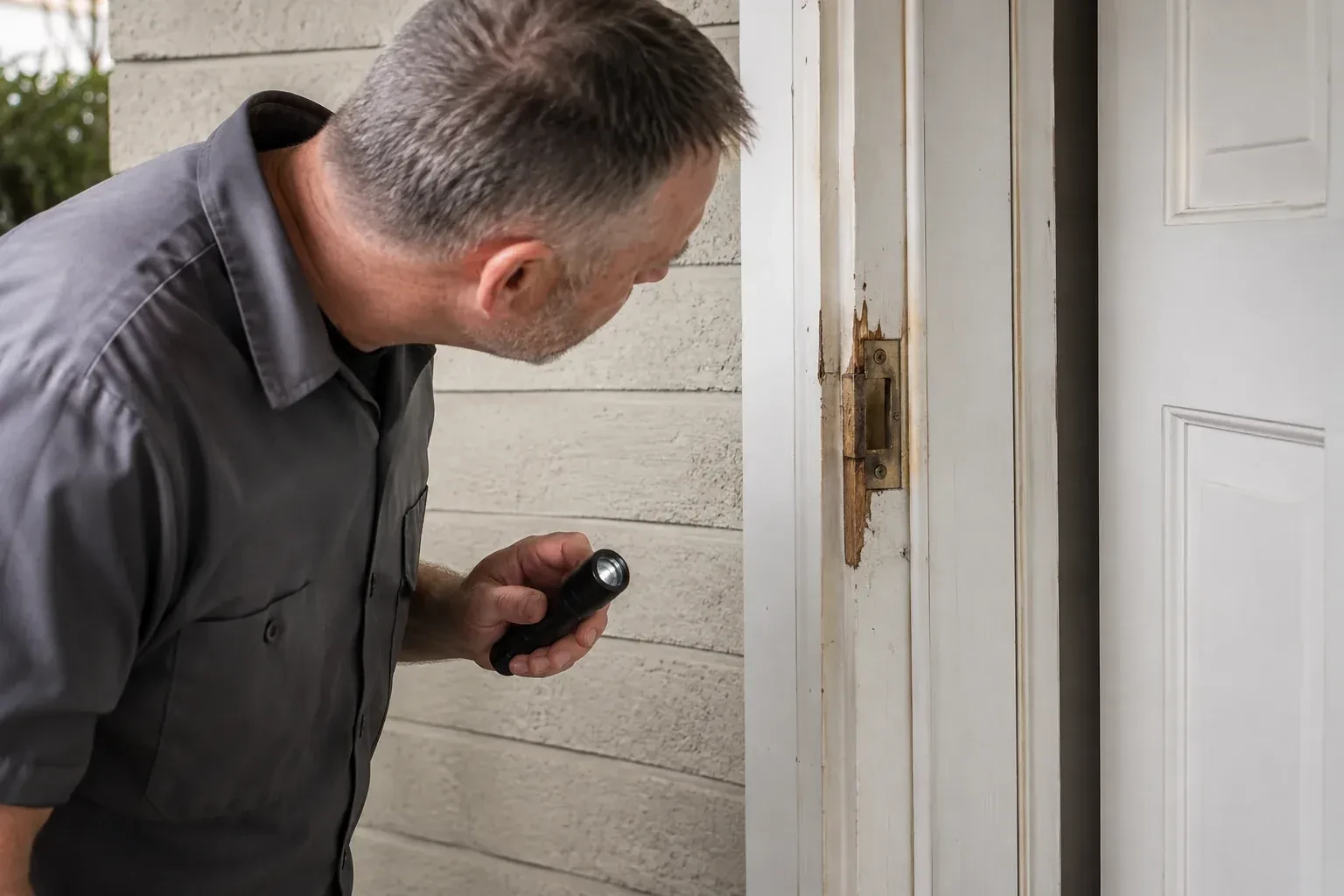
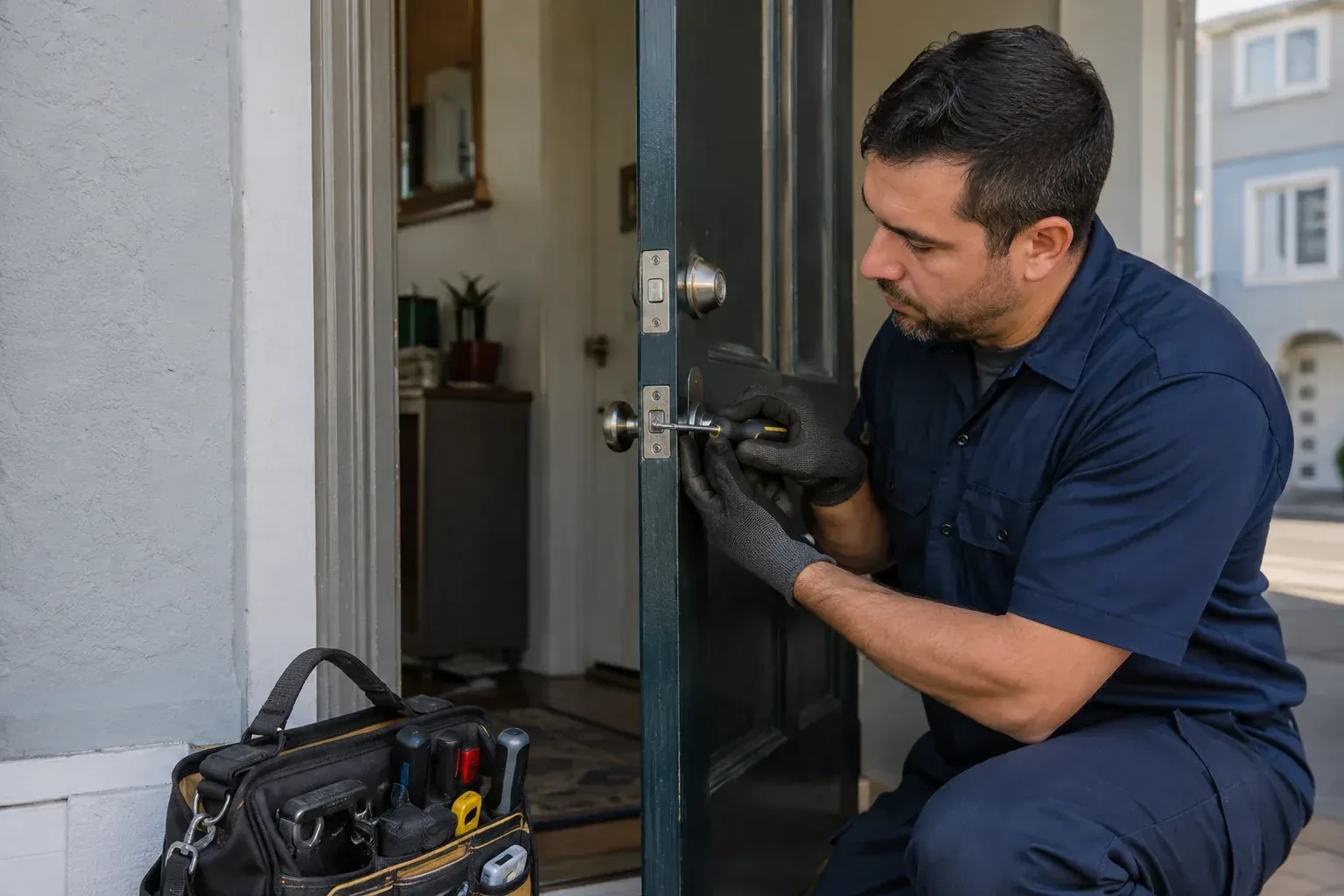
The new lock goes in with the strike adjusted so the bolt throws fully. If the old holes need filling or enlarging, that is done neatly.
03
Checking fit and finish
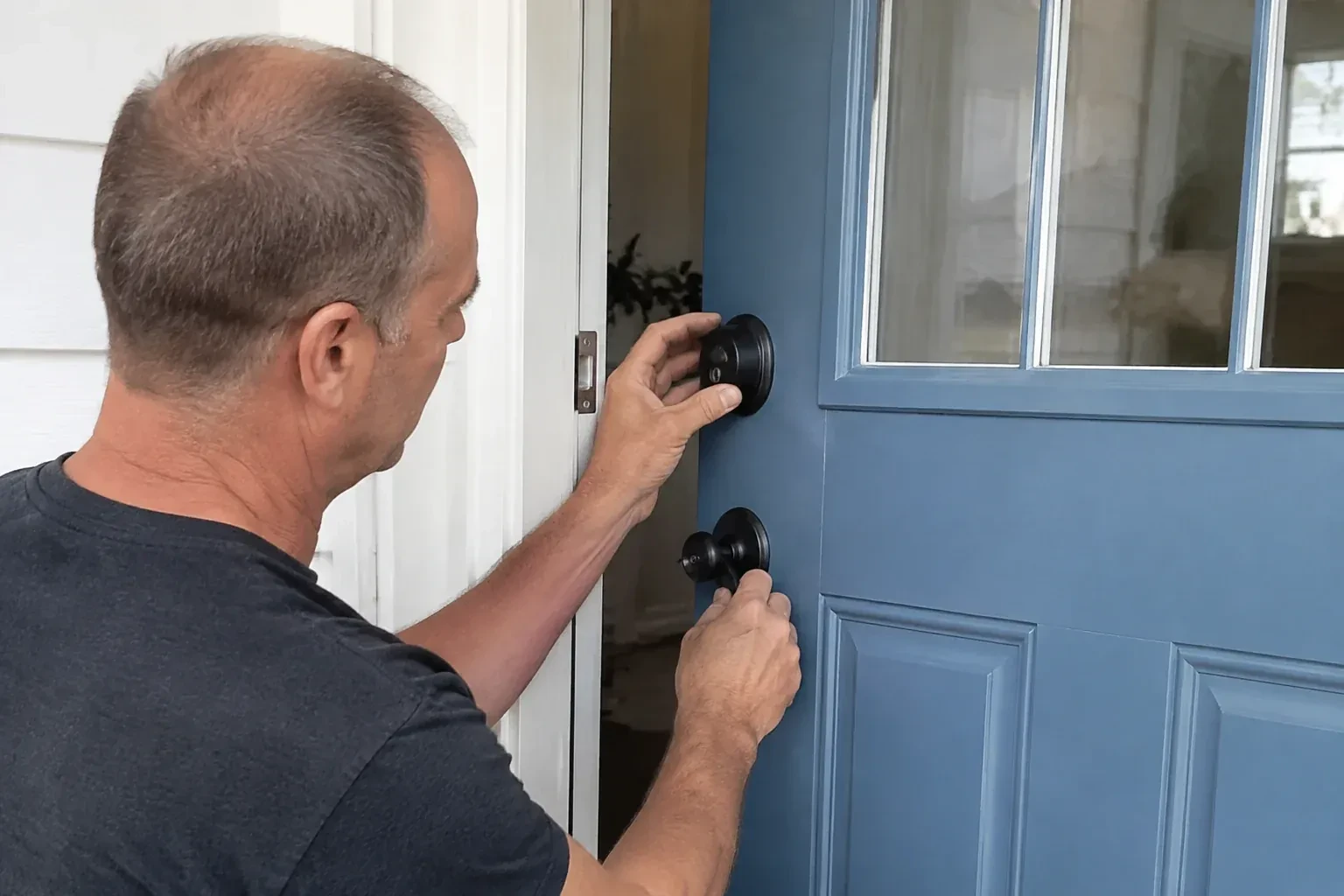
We test the lock with the door open and closed, from both sides, check the key turns without effort and clean up the doorstep before leaving.
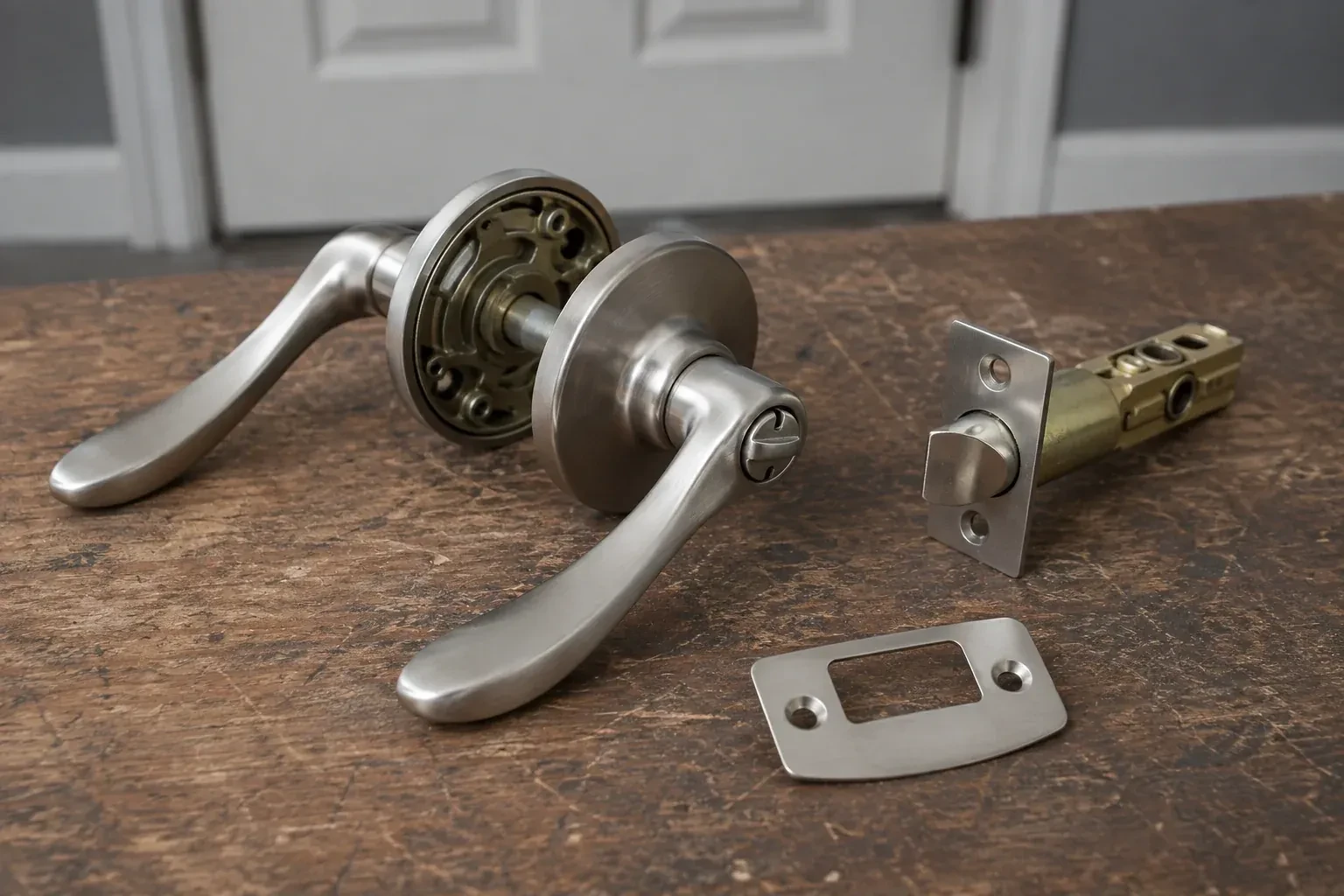
Yes, and it is a common change for anyone who finds a knob hard to grip. Levers use the same bore and backset as knobs, so the swap is usually a direct fit. Levers are handed, so the locksmith checks which way the door swings and chooses or adjusts the lever accordingly. A keyed entry lever pairs well with a deadbolt above it, and interior passage and privacy levers complete the set.
Is it worth repairing an old mortise lock instead of replacing it?
Usually, yes. The mechanisms are simple and robust, and what fails is nearly always a spring, dried grease or wear on one part, all of which are repairable on a bench. Replacing the lock with a modern cylindrical set means boring a large hole through the door stile and filling the old pocket, which is more work and changes the door for good. A rebuilt case keeps the original trim and keeps the door intact.
What is the difference between a gate lock and a regular door lock?
A gate lock is built to work outdoors, so it usually pairs a latch or bolt with a closer that swings the gate shut on its own using its own spring, rather than relying on a person to push it home. The cylinder tends to be weather-rated, and the whole assembly fits a gate frame or post rather than a conventional door jamb. A building entry door, by contrast, often combines this outdoor hardware with an interior-style latch or an electric strike.
What happens to the old lock and the old key afterward?
The old cylinder is removed and handed to you or taken away, whichever you prefer, and any key still floating around no longer fits anything once the new lock is seated. If the old lock was drilled out, the leftover pieces are shown to you so it is clear what was removed and why.
How long does the installation take?
A cylinder swap with new keys on one door is a short visit. A new deadbolt, reinforced strike and frame repair takes longer, and several doors keyed to a plan take longer again, mostly in bench time pinning cylinders. The locksmith gives you a realistic estimate once the doors have been looked at, because the frame condition and the door preparation matter more than the count of locks alone.
Do we still need physical keys after this is installed?
On hardware that supports it, yes: a conventional cylinder sits alongside the electronic reader, cut to work like any other key on the property, though some access-controlled locks are built without one. Where it is fitted, it is meant as a fallback rather than the everyday way in: if a battery dies, a controller faults, or the power stays out longer than the backup lasts, the door still opens by key while the issue is sorted out.
How often does this hardware need to be checked?
Fire door assemblies, including their exit hardware, are inspected and tested on a set schedule, and it is practical to check any exit device on the same rhythm even where the door is not fire-rated. A brief check for a stiff crossbar, a latch that no longer seats fully, or a strike that has drifted is enough to catch most wear before it becomes a callout.
How should I store the spare once I have it?
Somewhere other than inside the vehicle, since a spare kept in the glovebox solves little if it is the vehicle itself that becomes inaccessible. A bag that travels separately, a drawer at home, or a trusted family member all work. A passive proximity spare also benefits from a signal-blocking pouch during storage, since that kind of fob keeps broadcasting even sitting untouched in a drawer; a standard button-operated remote does not need the same pouch.
What does testing remote start or passive entry actually involve?
Each function the vehicle offers is tried in person once the fob is registered: trying whatever passive-entry action that vehicle actually needs, approach alone, or a handle touch, grip or button press, pressing the remote start button and confirming the engine turns over, and checking that the vehicle re-locks or shuts down the way it is meant to. Nothing is assumed to work simply because the fob was accepted by the vehicle's memory.
Request a visit
We plan visits around how people in Brantford live. A shop wants the work done before opening or after close. A family wants a time when someone is home and the dog is put away. A landlord wants the unit done between tenants. Tell us the window that suits you and we build the day around it, then call when the van is on its way.