Change or rekey · Brantford
Lock Rekeying
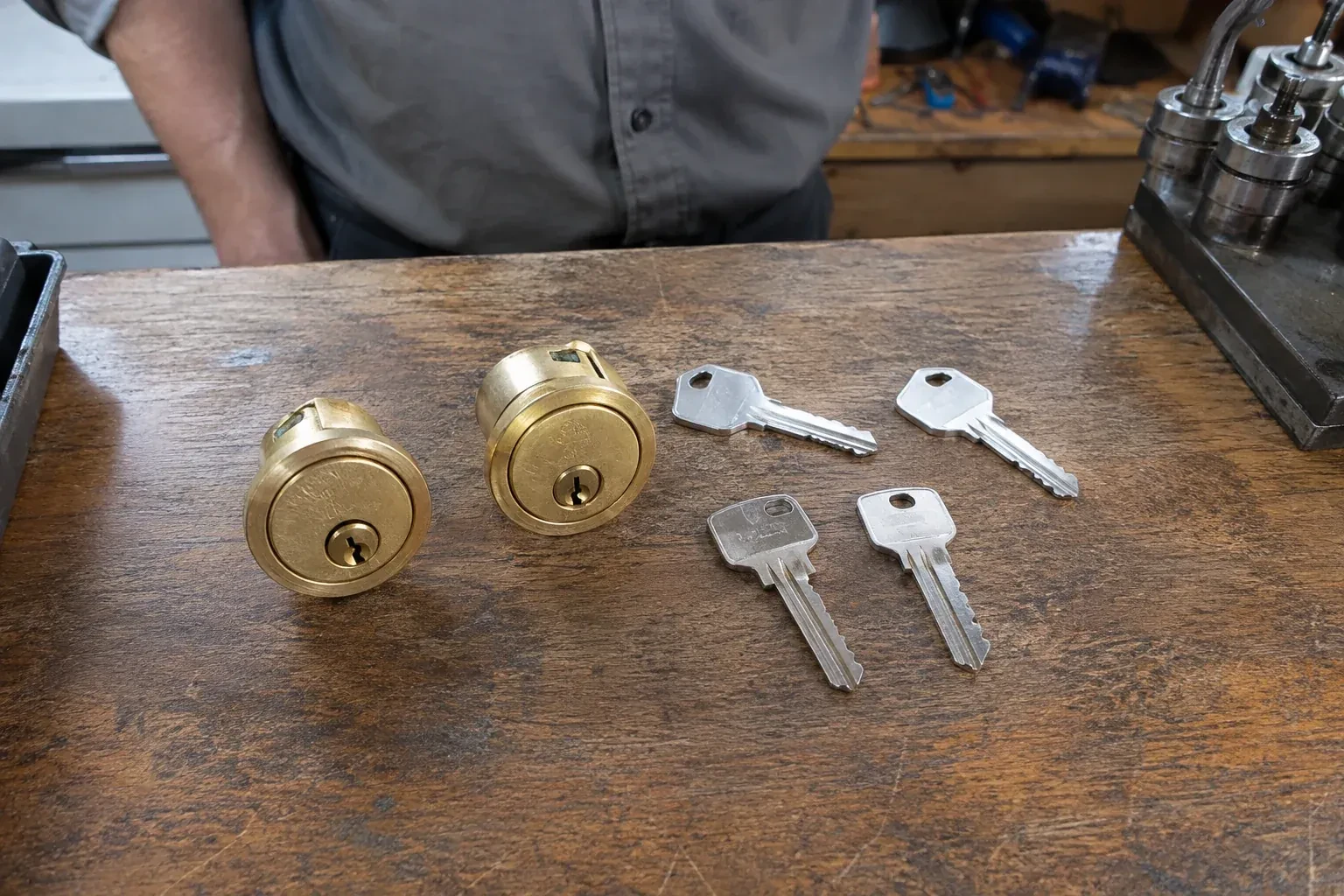
The previous owners left a coffee tin of keys on the counter, some labelled, most not.
In plain words
The choice between rekeying and replacing comes down to the condition of the lock and what you want from it. A cylinder that turns smoothly, sits firmly in a solid deadbolt and matches the look of the door is worth keeping, and rekeying gives it a new key for a fraction of the effort of replacement. Replacement earns its place when the hardware is worn, low grade, damaged, a mismatched keyway that cannot join the house key, or when you want a keypad or a heavier deadbolt anyway. A locksmith looks at each door and tells you which one applies.
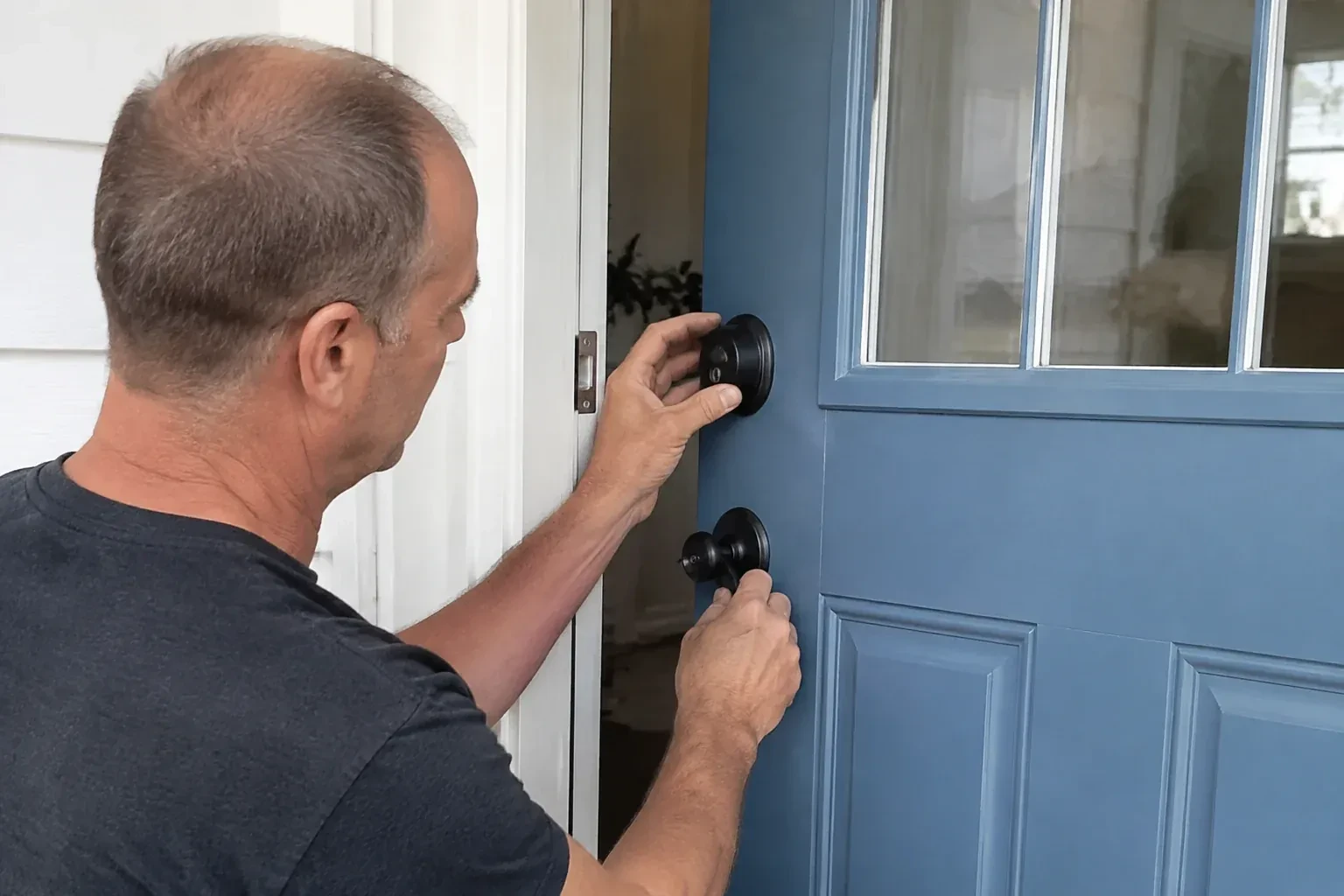
How the visit goesThe whole key ring went missing somewhere between the grocery store and the bus. You got back in with the spare, but a set of keys is out there, and you would sleep better knowing they open nothing.
Inside the lock
What a rekey changes
01
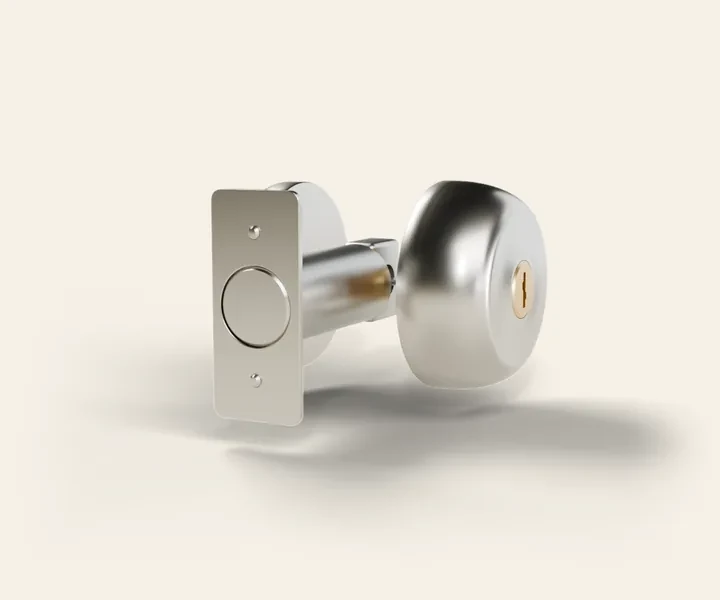
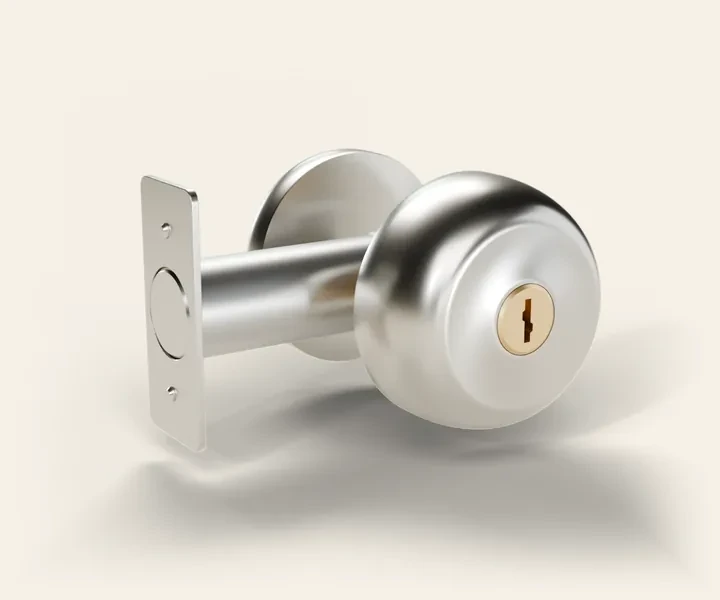
The lock you already have
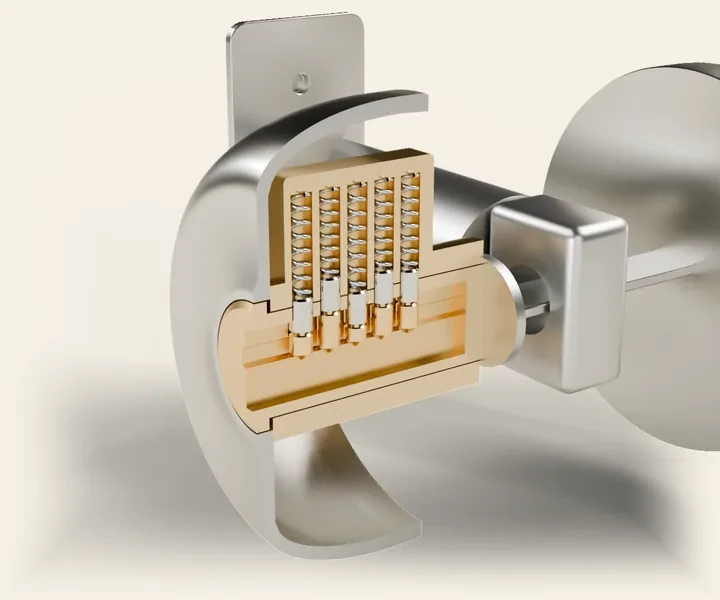
02
Inside the cylinder
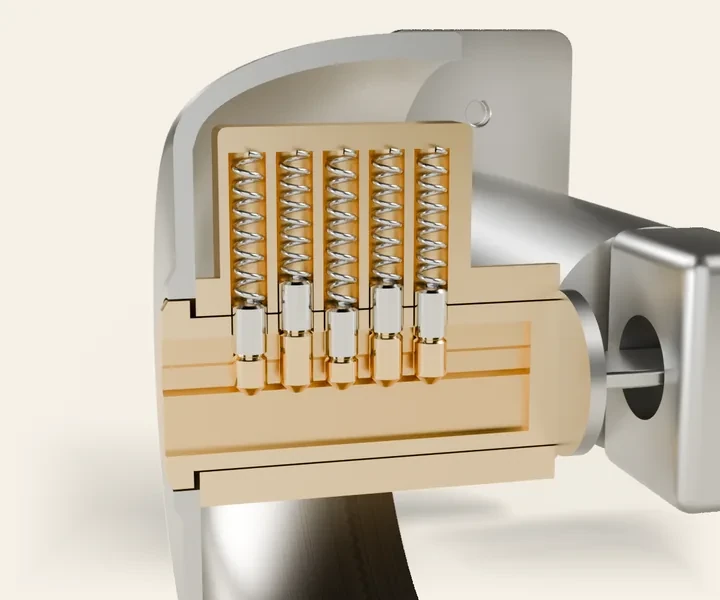
03
Pins, springs and the shear line
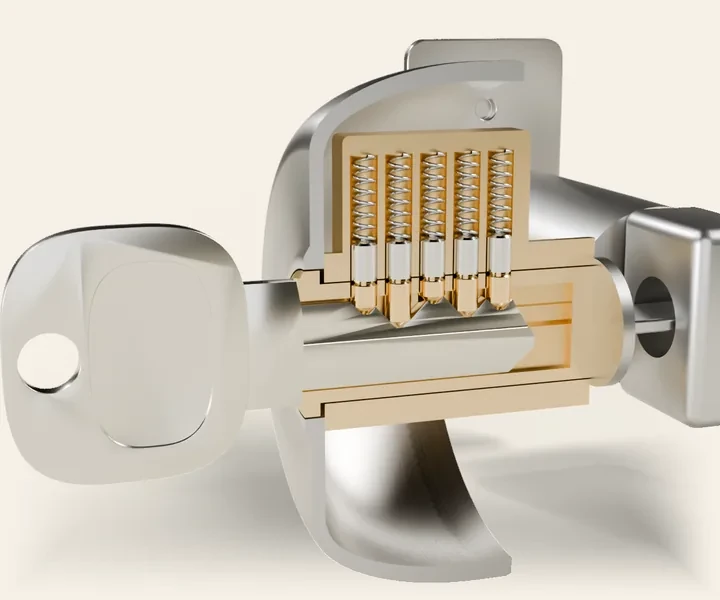
04
A new key, new pins
Lock Rekeying
How the visit goes
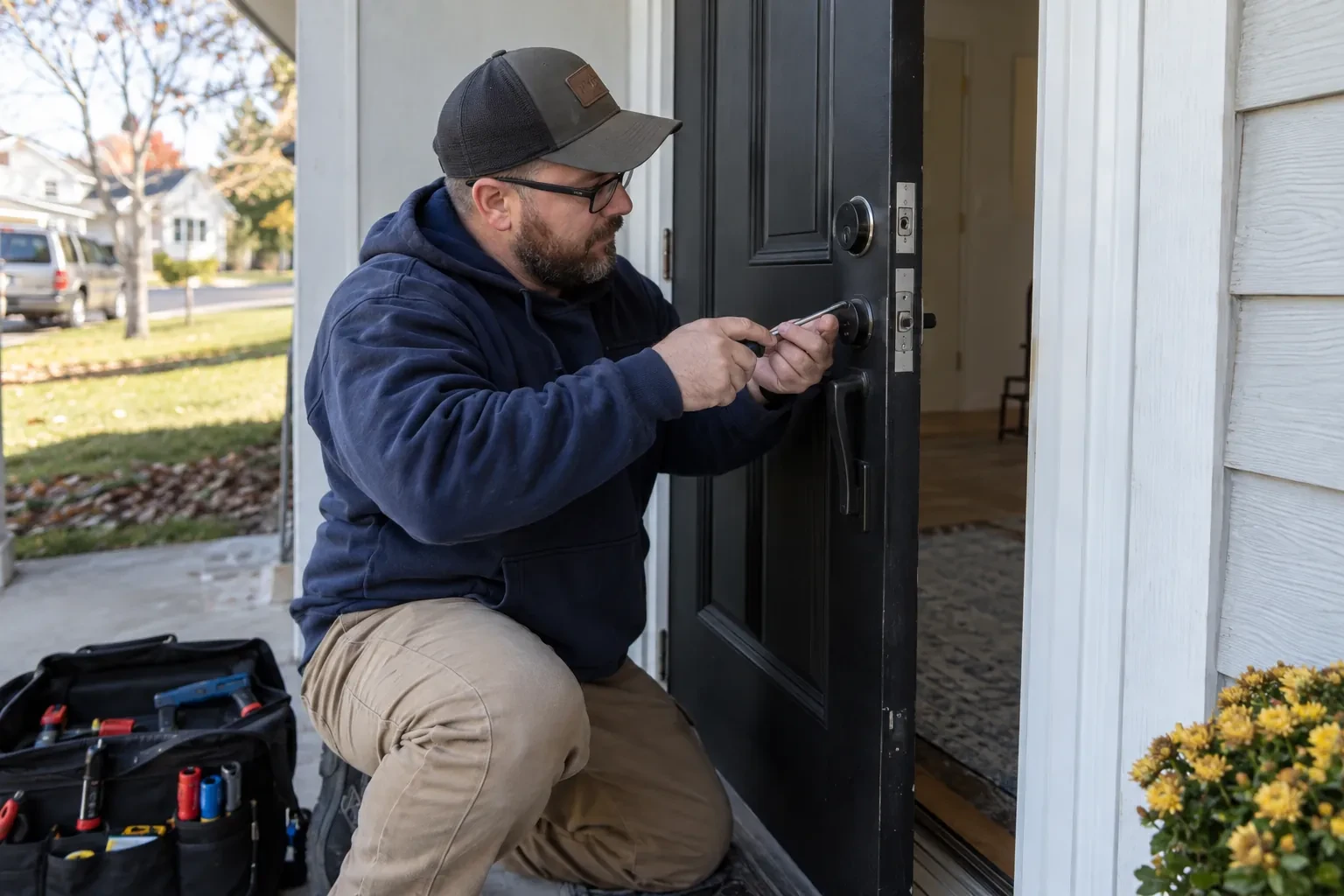
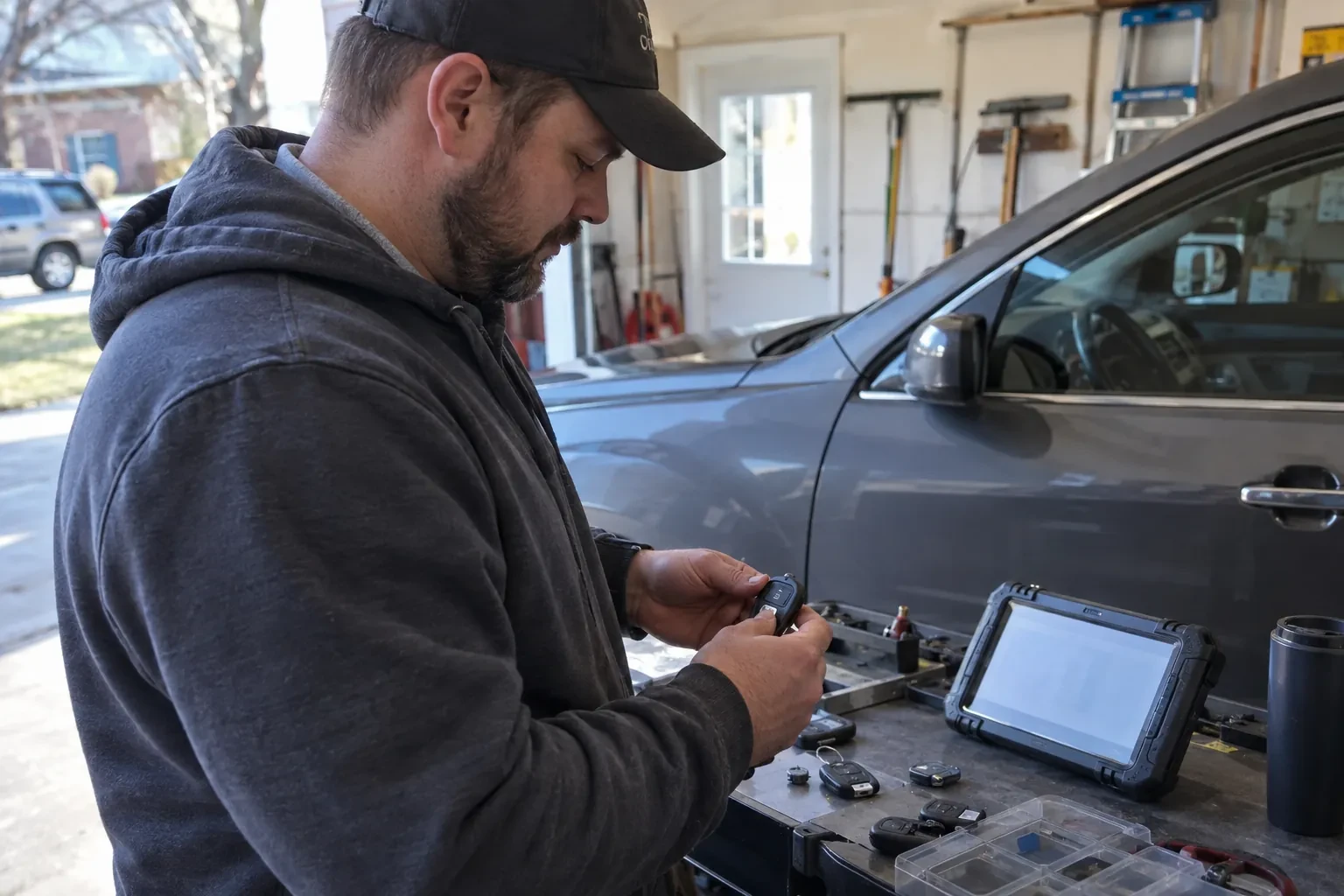
Walking every door that should be included
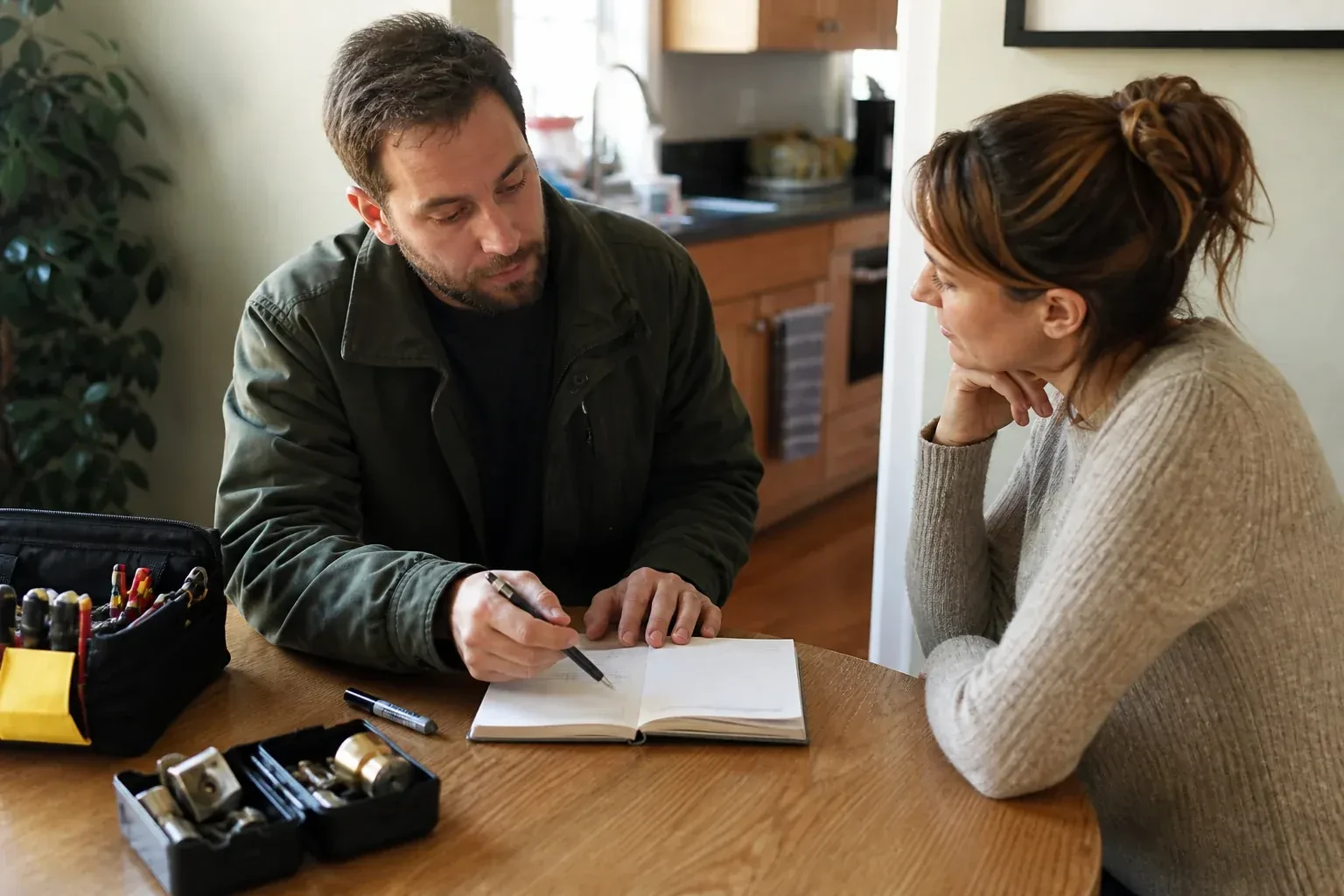
Before a single cylinder comes out, the locksmith walks the property with you and lists each opening: the front door, the back and side doors, the door from the garage into the house, a walkout basement, a gate with a keyed latch, a shed, a mailbox, and any interior door you want on a key. It is surprising how often the garage's side door or the storm door is forgotten and left on the old key. The list becomes the plan for the visit and, at the end, the record of what was done. A door that is not on the list is not rekeyed, so the walk is worth two careful minutes.
Reassembly and the shear-line test
On a pin-tumbler cylinder, the plug goes back into the housing with the new key in it, pushing the follower out ahead of it, and the cam or tailpiece is refitted with its retainer. Before the cylinder goes anywhere near the door, the locksmith turns the new key and checks that the plug rotates freely with no catch, then removes the key and confirms the plug is locked solid. A pin a fraction too long or too short shows up here as a rough turn and is corrected on the bench. Only a cylinder that passes goes back into its lock, where it is tested again with the door open and then closed.
Looking after a freshly pinned cylinder
A cylinder that has just been rekeyed turns as smoothly as it ever will, and a little care keeps it that way. Once or twice a year, a puff of whatever lubricant the cylinder maker specifies into the keyway and a few turns of the key is all it needs, since some current cylinders use oil while too much graphite can itself gum a cylinder. When you need more copies, cut them from one of the locksmith's originals rather than from a copy, because each generation drifts a little from the true depths. A key that starts to need a jiggle is the cylinder asking for a clean and a new key, not a sign of anything serious.
Lock Rekeying
In the van
Retaining clip tool
Code cutter or key duplicator
Key blanks
Graded bottom pin kit
Cylinder shim
Lock Rekeying
What affects the quote
Interior doors added to the plan
Bedroom, office or storage-room locks brought onto a key are lighter work than exterior deadbolts, but each is still a cylinder to pin and test, and the count includes them.
Restricted or high-security cylinders
Patented keyways use controlled blanks and pins that cost more than standard ones, and their keys are produced from a controlled record instead of being copied, so a system of that kind is quoted differently from builder-grade hardware.
Several units in one building
A landlord rekeying a duplex, a triplex or a small apartment building, with each suite on its own key and a common entry shared, has more cylinders and a keying chart to build, and the quote grows accordingly.
What to have ready
- How many new keys will your household or your tenants need?
- Is the home a condo or in a building with shared entrance doors?
- Do any locks feel stiff, loose or need a wiggle to turn?
Lock Rekeying: questions
QuestionsWill I need to prove I own or rent the home?
Yes, and it is a welcome part of the job. Rekeying decides who can enter, so the locksmith confirms the person asking has the standing to make that decision. For an owner that means photo identification alongside a document that links them to the property, for instance a property tax notice or the closing statement. A manager brings the owner's written authorization. A tenant mentions that the landlord has agreed and will be given a key, since tenancy rules here expect both to hold one.
What should I have ready before the locksmith arrives?
A list of the doors you want included, a working key for each lock if you have one, and a clear idea of whether you want everything on one key or some doors kept separate. Have your identification and something tying you to the address handy. If you rent, have your landlord's agreement ready to mention. Knowing roughly how many new keys the household needs saves a second trip to cut more.
Will my door hardware look any different afterwards?
No. The work happens inside the cylinder, so the bolt, handle, finish and strike plate stay exactly as they are, and nothing new is cut into the door. The only visible change is the key in your hand. If a cylinder does have to be replaced, because its keyway is incompatible with the others or it has worn out, the locksmith picks one in a matching finish so the door keeps a consistent look.
Related services
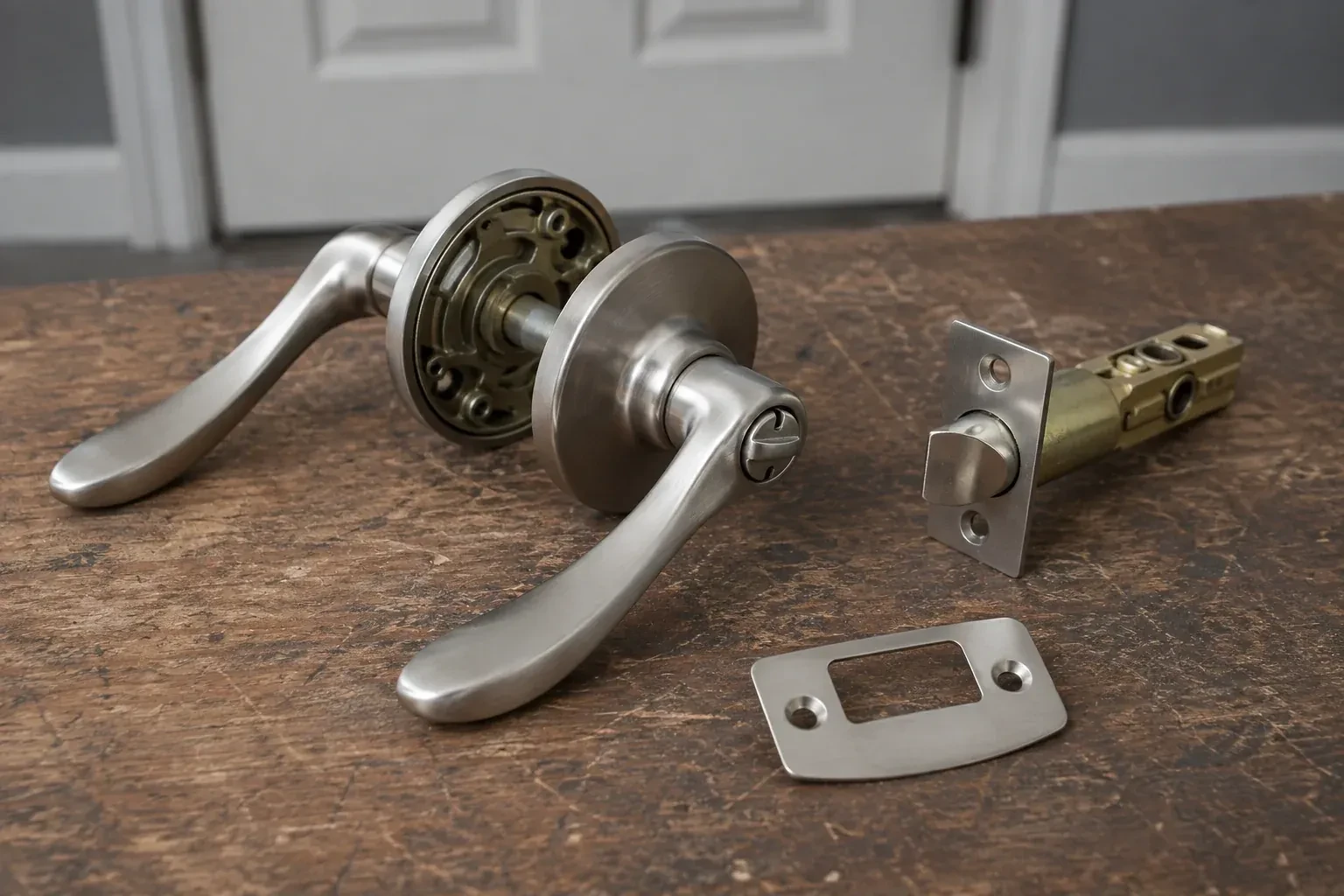
- Lock Replacement & UpgradeThree teenagers, a dog walker, a cleaner and one house key that keeps going missing.
- Vintage Mortise Lock ServiceThe brass knob on the front door of your century home turns, but nothing happens on the other side.
- Smart Lock InstallationThe rental turns over every few months and each time you drive across town to swap keys, then wonder whether copies were made.