Car keys · Brantford
Motorcycle & Scooter Keys
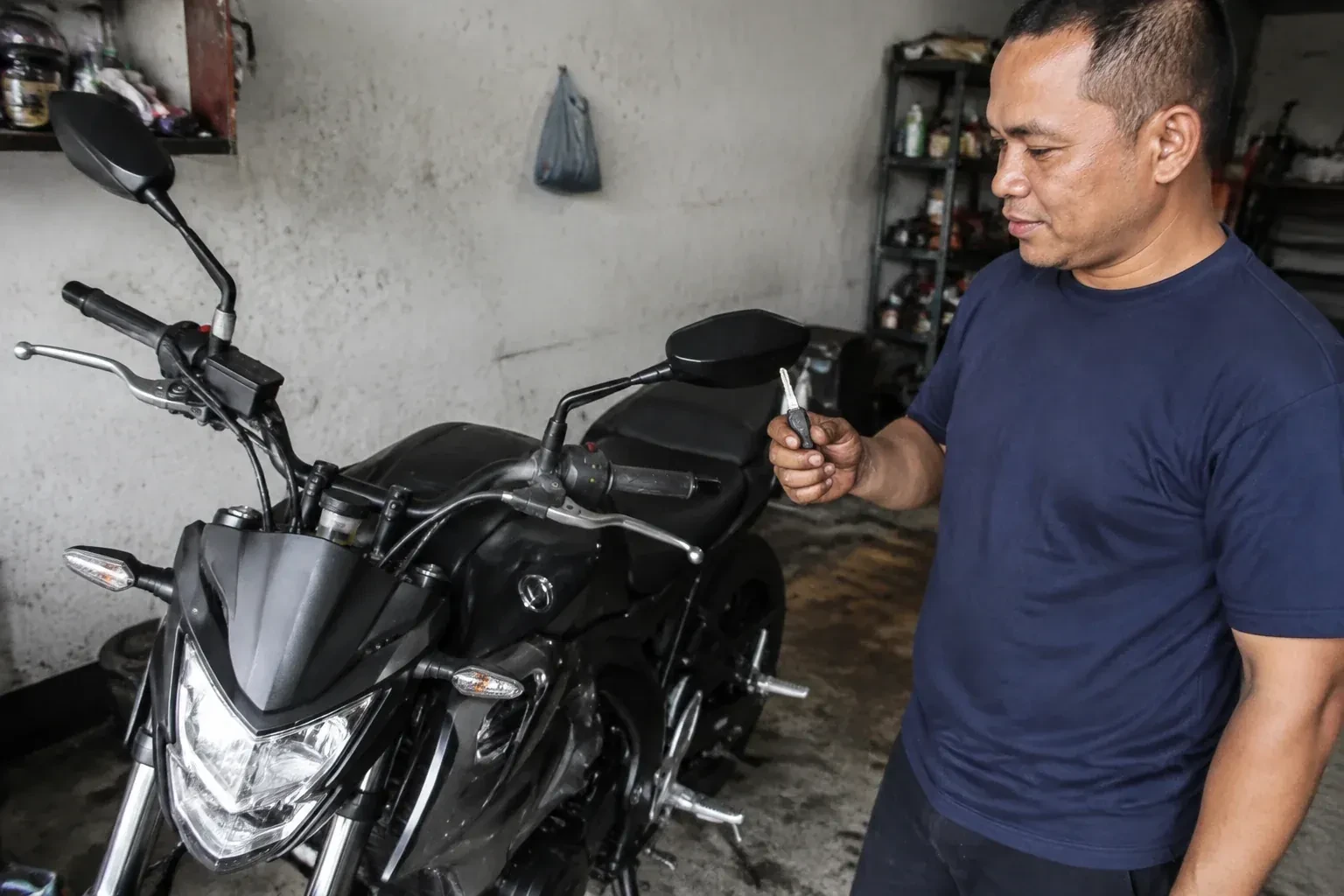
The dash lights come on, the starter cranks, and the engine simply refuses to catch, though the same key has run this bike since it was new.
In plain words
Sometimes the machine is not the problem; the key is. A blade that has worn thin, bent slightly, or been copied one generation too many stops lifting the wafers cleanly, which shows up as a key that needs a wiggle or a lift to turn. Rather than living with an unreliable copy, a fresh key cut directly from the lock's code or read from the original wafers restores a clean, consistent turn, and the worn key can be retired instead of carried as a backup that may not work when needed.
How the visit goesAfter a winter under a cover, the steering lock will not budge. The key seats fully in the barrel, but turning it meets a wall of resistance that no amount of wiggling moves past.
Motorcycle & Scooter Keys
How the visit goes
Assessing wear and corrosion
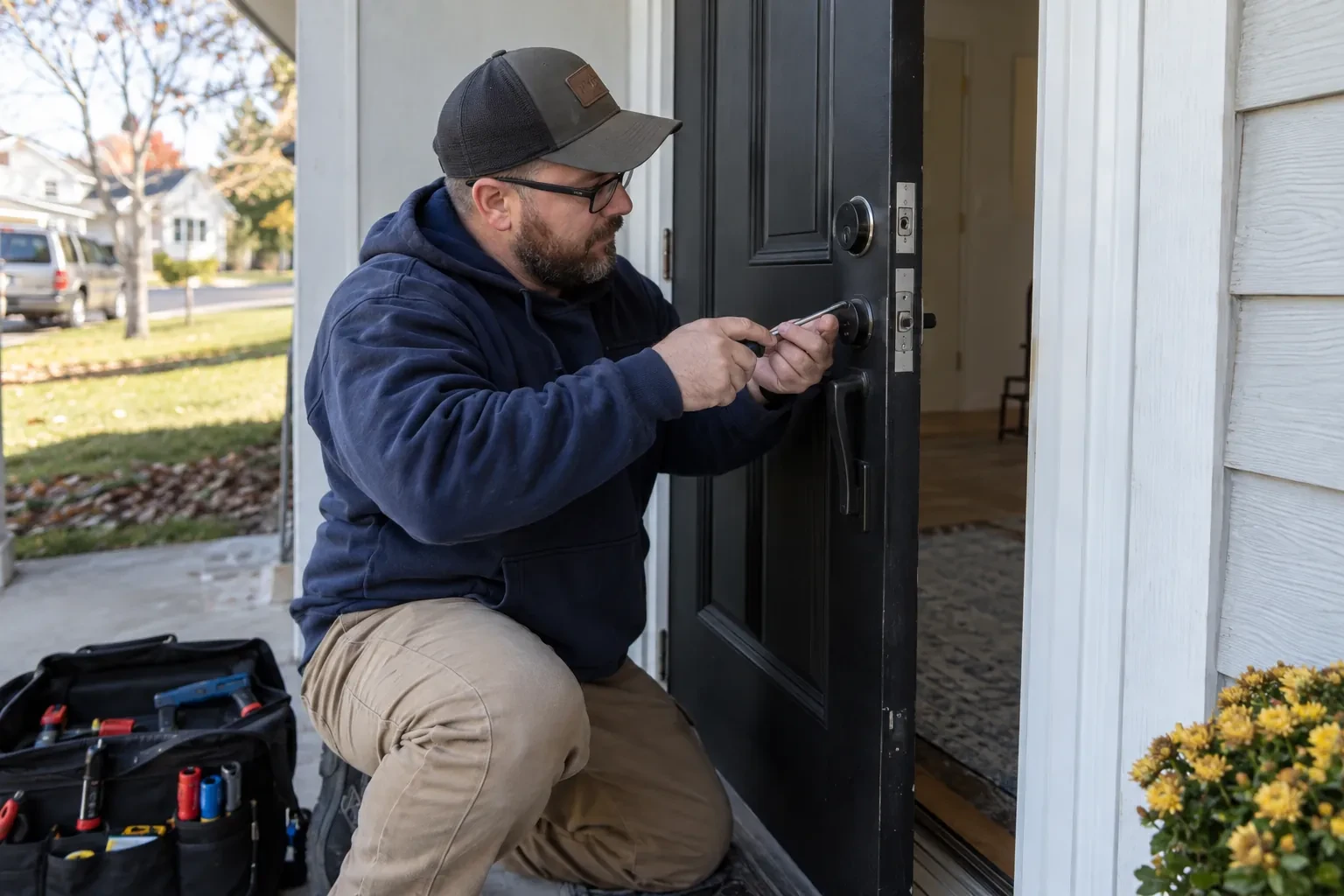
Locks that live outdoors on a machine take on grit, road salt and moisture in a way that an indoor lock never does, and the locksmith checks the lock face and keyway for rust, stiffness and a gritty feel before cutting anything. A lock with corrosion inside the wafers can defeat even a correctly cut key until it is cleaned and lubricated, so this check decides whether the visit stays a straightforward key job or also needs the lock itself serviced before a new key is tested against it.
Testing before handover
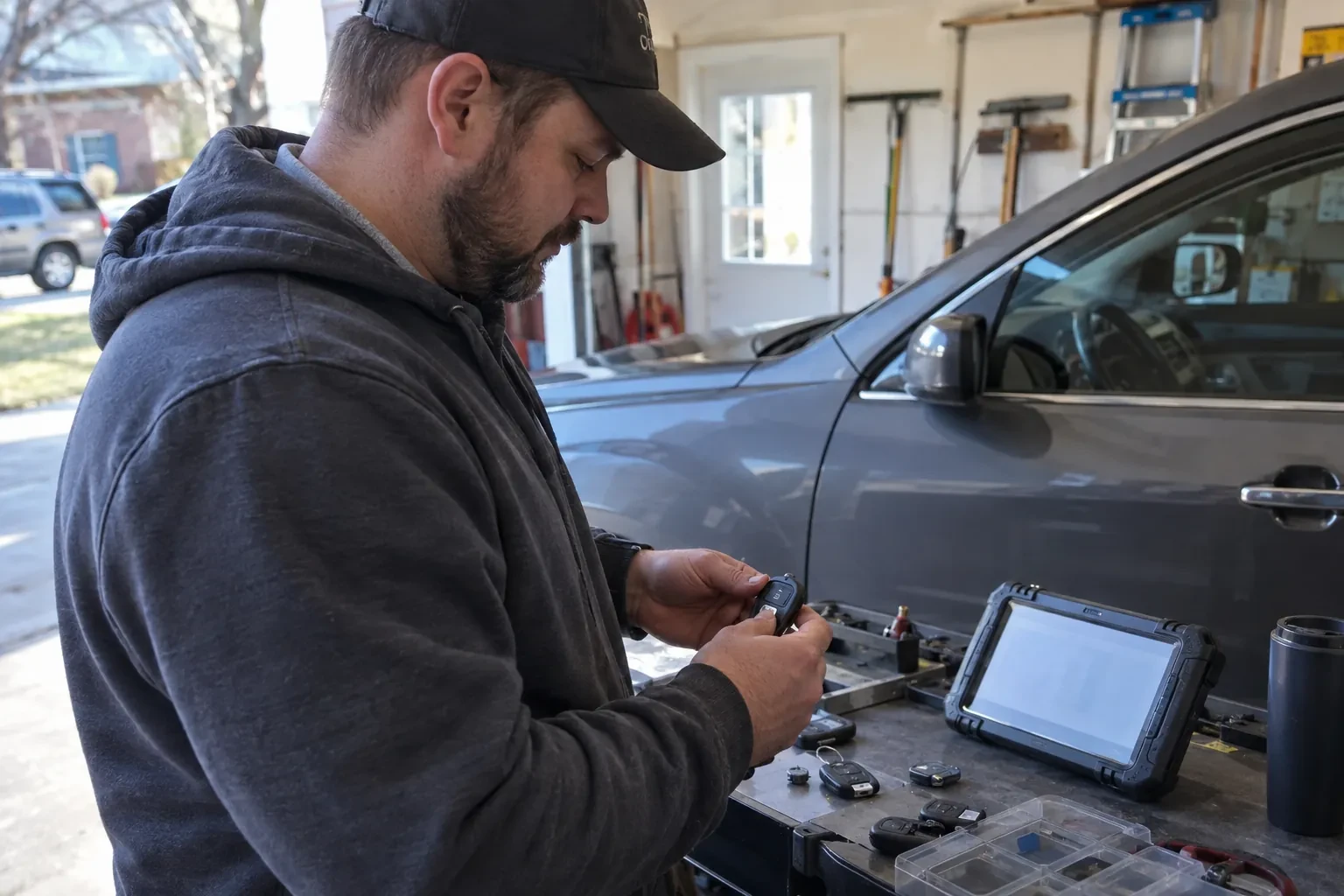
Every finished key is tested on the actual machine before the visit ends, not just checked against a code on paper. That means turning the steering lock through its full range, opening the seat and fuel cap if they are on the same key, and starting the engine to confirm any transponder is recognised. Only once all of that behaves consistently, more than once, does the locksmith consider the key set complete. Any code or reference used to cut the key is left with the owner or noted for their records, so a future spare does not have to start from nothing.
Getting through the next storage season
Heading into a season of outdoor storage, a lock that has just been cleaned and lubricated is in a better position to start the next season the same way it ended this one. A light coat of corrosion inhibitor on an exposed lock face, a cover that keeps direct weather off the ignition and seat area, and keeping the machine somewhere it is not standing in meltwater all help the same mechanism that was just serviced stay free through the months it sits unused. None of this takes long, but it is easy to skip until a stiff lock brings it back to mind.
Motorcycle & Scooter Keys
In the van
Contact cleaner
Replacement transponder chips
Replacement ignition or steering lock
Transponder programming unit
Fob shells and batteries

Motorcycle & Scooter Keys
What affects the quote
Any security upgrade added at the same time
Any additional item chosen during the same visit, such as a disc lock, an alarm, or a lockbox for a spare key, is priced as its own separate addition to the key work.
Make, model and age of the machine
Make, model and age decide how common the keyway and blank are. A widely used platform is usually the more straightforward case; an uncommon or older machine can take longer to source parts for.
Bringing multiple locks onto one key
Bringing the seat, fuel cap or a storage lock onto the ignition's key is extra work per lock rekeyed, separate from cutting the key itself, and is priced as its own line.
What to have ready
- Which locks need to be included: ignition, seat, fuel cap, storage?
- Was the machine bought used, and how many keys came with it?
- Where is the machine currently kept?
Motorcycle & Scooter Keys: questions
QuestionsMy steering lock seized up over winter storage. Can that be fixed without a whole new lock?
Usually, yes. The cleaning method the lock's own maker directs, along with gentle, repeated working of the mechanism, frees many steering locks that have simply seized from disuse or corrosion, without needing to force the key or replace the lock. Only a lock that is cracked, badly rusted internally, or damaged by an earlier forced attempt tends to need full replacement rather than freeing and lubricating.
What is a good way to keep a spare key safe?
Somewhere away from the machine itself is the main principle: not under the seat, in a saddlebag, or taped inside a compartment, since those are the first places anyone checks. A drawer at home, a family member's keyring, or a small lockbox mounted separately all work. Testing the spare on the actual lock before relying on it confirms it will do the job the one time it is needed.
Would a copy from a general hardware-store machine work just as well?
It can, but motorcycle wafer locks vary between manufacturers even when they look similar, and a generic cutter is not always set up to read the specific depths and keyway profile correctly. A copy that is slightly off shows up as a key that catches or needs a wiggle, which is often what brings someone in after trying that route first. Cutting from the lock's actual code avoids that guesswork.
Related services
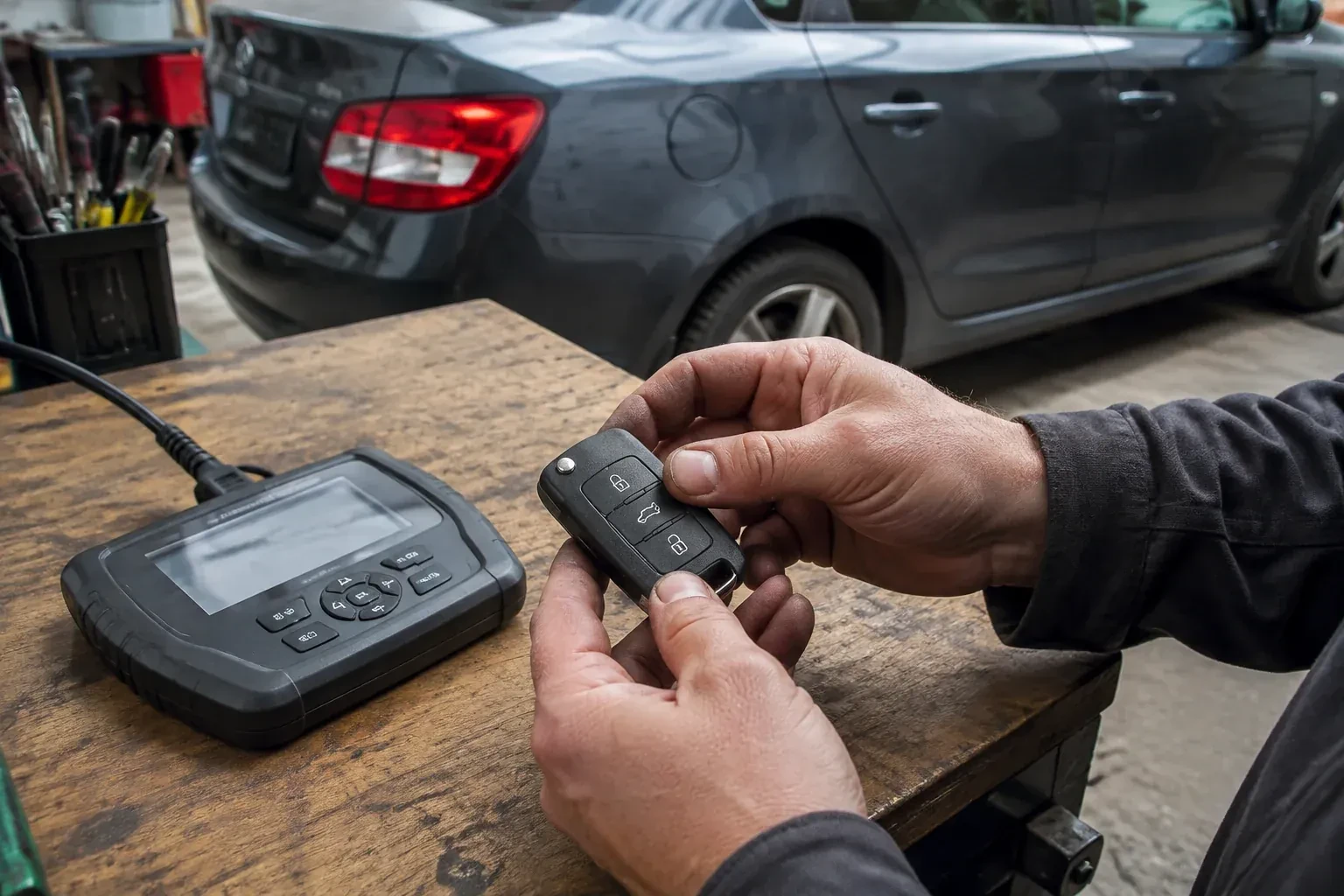
- Car Key ReplacementThe car is yours now, but somebody else still holds a key to it.
- Spare Car Key DuplicationA lockout last month ended with a locksmith opening the door and going home, and the same single key has been carried ever since with nothing behind it.
- Key Fob ProgrammingA fob went missing weeks ago somewhere between a coat pocket and a parking lot, and a spare has covered the gap since.