High security · Echo Place
Safe Opening & Combination Change in Echo Place
A customer's rifle safe at the range has a dial that simply will not respond to the combination written on the sales receipt from years ago.
In plain words
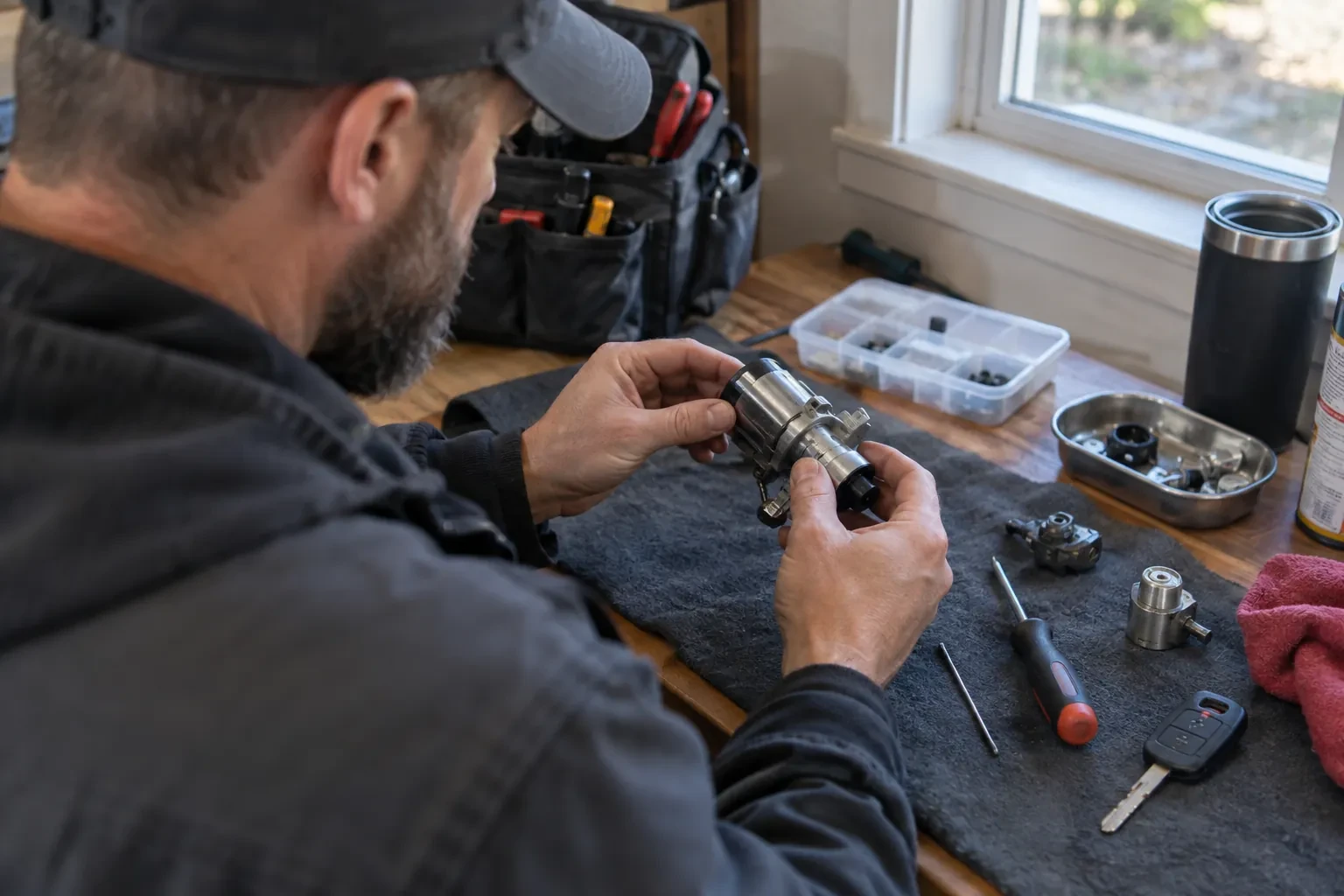
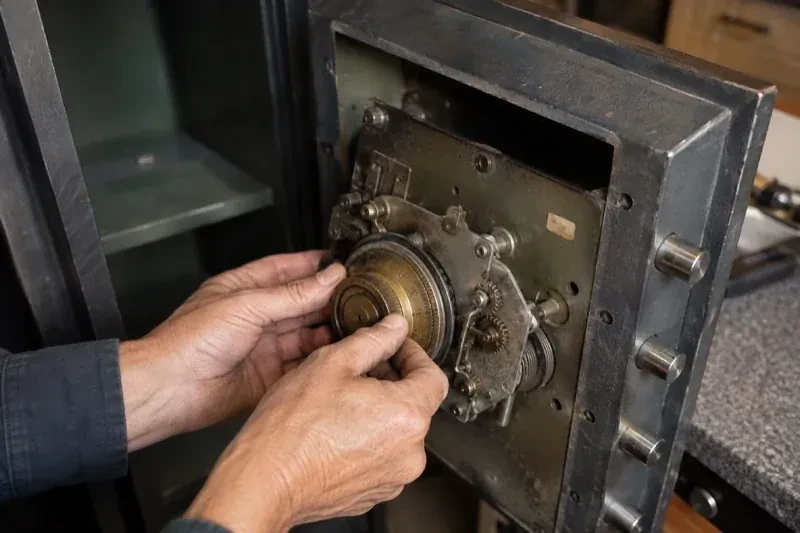
Safe opening favours the gentlest method that fits the particular safe and lock, with drilling kept as a later option rather than a first resort. Manipulation and decoding are tried first for a mechanical dial, and a manufacturer reset or override path where one exists for an electronic keypad. Where those routes are unavailable or exhausted, drilling enters the conversation, aimed at a point the maker's own service literature marks as reachable and repairable. Most safes that still have their original lock in reasonable condition never reach that last rung at all.
How the visit goesA customer's rifle safe at the range has a dial that simply will not respond to the combination written on the sales receipt from years ago.
Safe Opening & Combination Change
How the visit goes
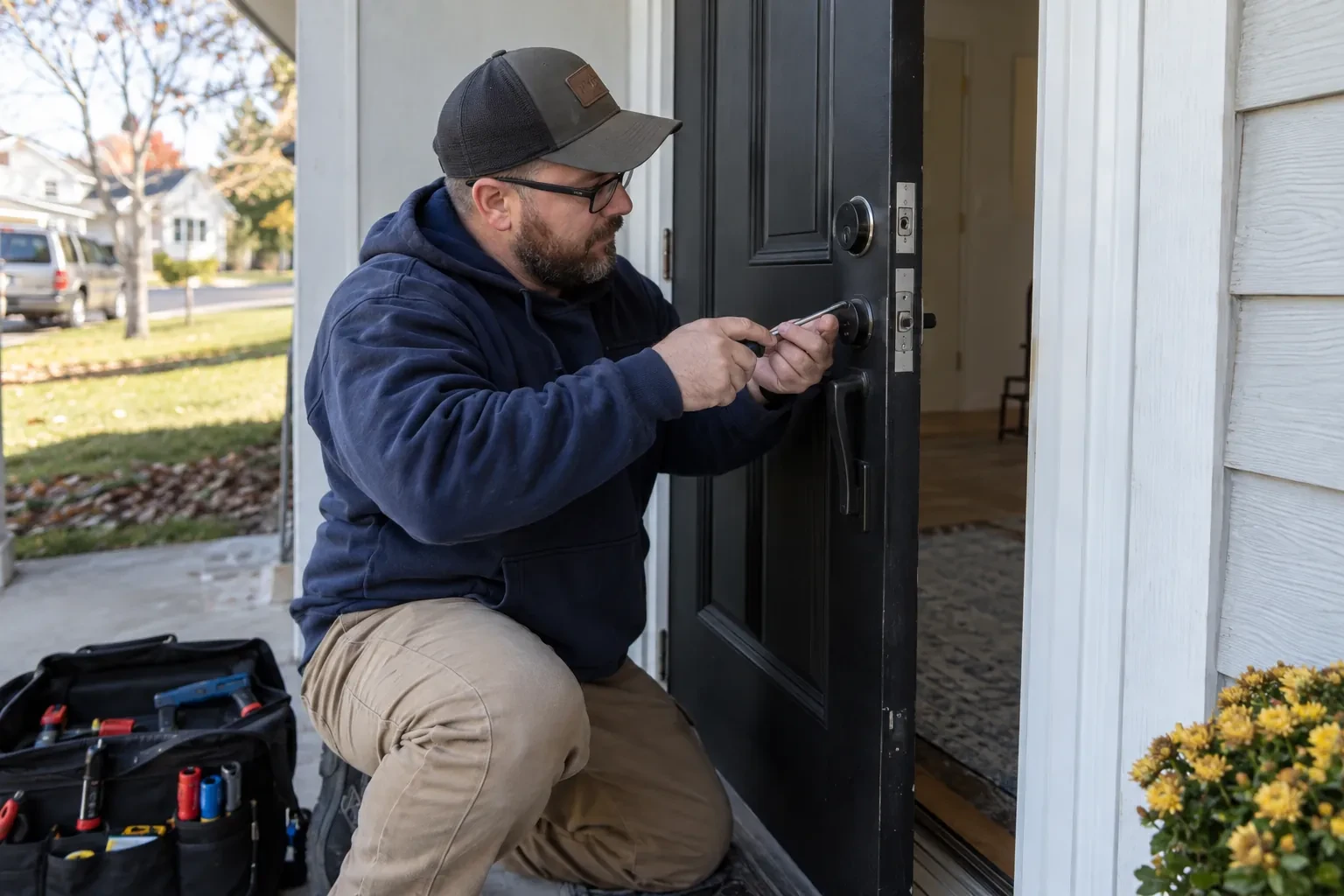
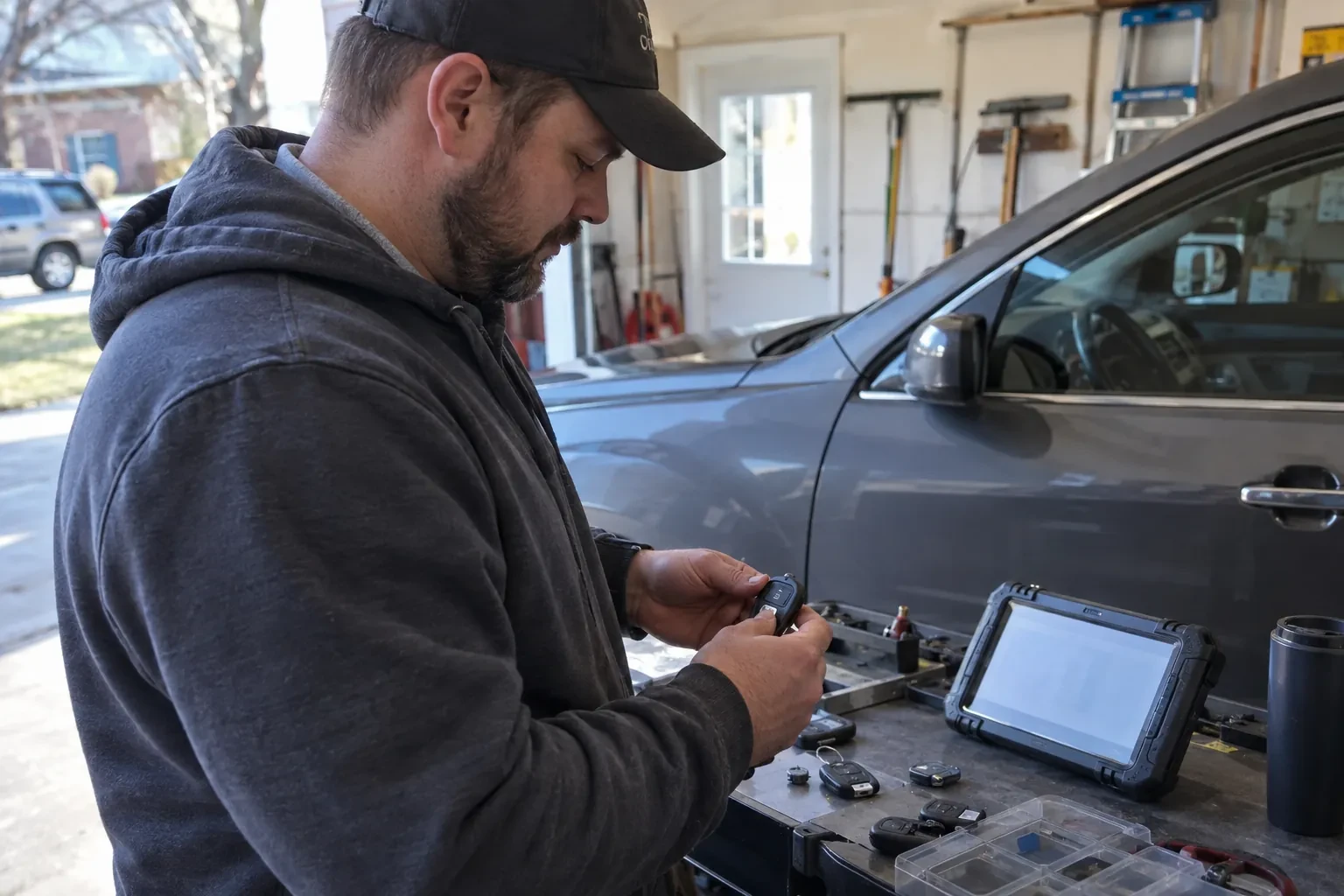
Checking the bolt work and handle
A locked-out safe is not always a locked-out lock. The locksmith checks whether the handle turns normally, whether the bolt work is retracting at all, and whether resistance shows up at the handle rather than at the dial or keypad. A jammed bolt, a corroded linkage or a relocker that has dropped into place can all hold a door shut even when the correct combination is entered without complaint. Sorting this out before assuming the lock has failed avoids replacing a perfectly good combination lock to solve a mechanical problem that sits elsewhere in the door.
Setting and testing the new combination
With the safe open and the lock confirmed sound, a new combination or code is set, with the current owner choosing the numbers themselves within whatever range and spacing that lock's rules allow, rather than being handed a default. For a mechanical lock this means using a change key to reset the wheel pack to the new sequence; for an electronic lock it means entering the new code through the keypad or a connected programming tool. The new combination is then dialed or keyed in several times, with the door open and then closed, before the visit is considered finished, so any mistake surfaces on the spot rather than the next morning.
A combination that belongs to the current owner
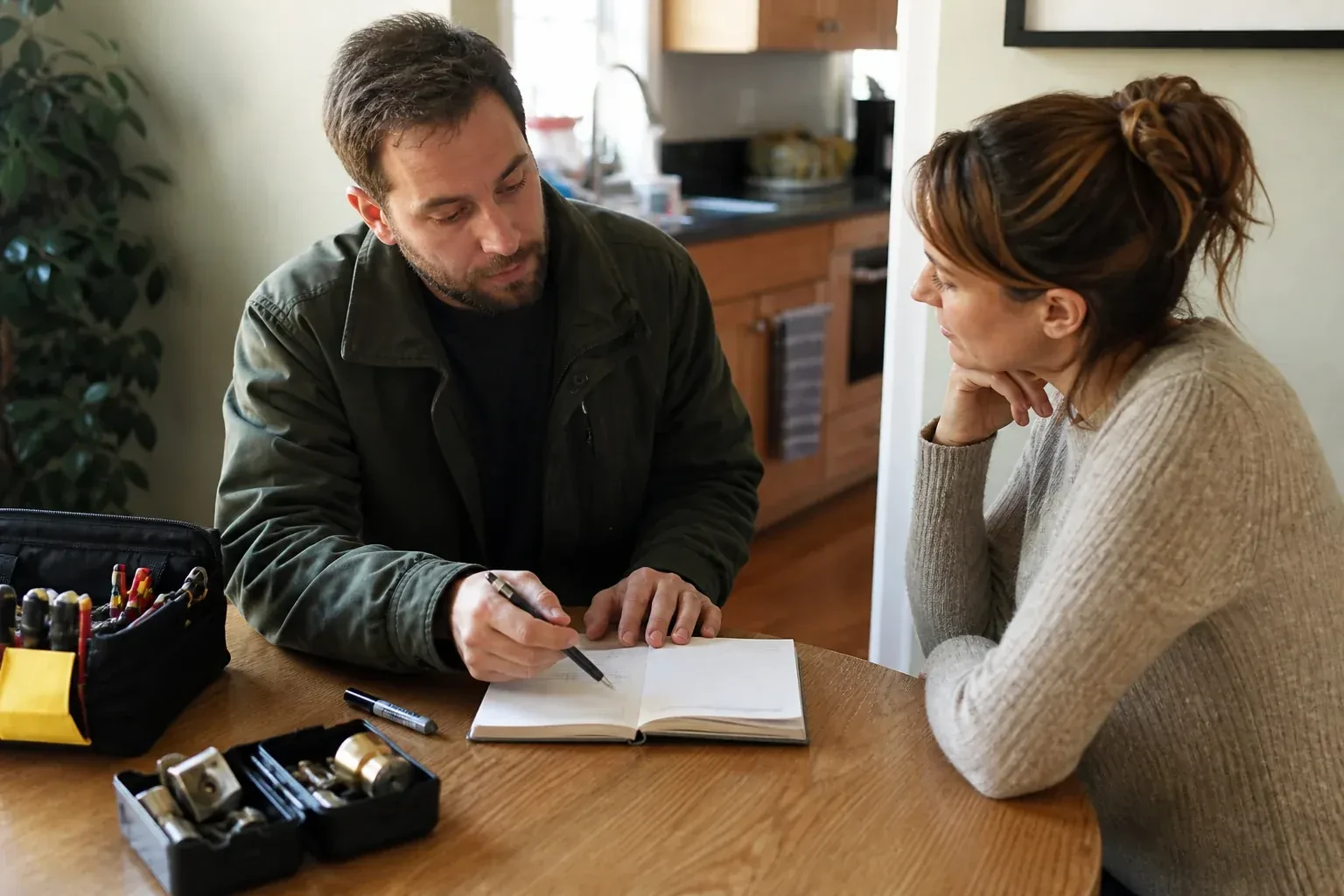
Every old credential the lock supports, past user and manager codes, any super-master or recovery code, keys and external access, is checked and removed rather than just the one combination in daily use, so nobody still holding an old way in, a departed employee, a previous owner or otherwise, keeps one. The new sequence is chosen by the current owner or manager on the spot, not assigned from a list. This is worth treating deliberately rather than casually: deciding who genuinely needs the combination, and keeping that group as small as the business actually requires, is the simplest way to keep a fresh reset from becoming next year's same problem.
Safe Opening & Combination Change
In the van
Dial decoding instrument
Replacement dial and ring
Electronic keypad input unit
Spindle and drive cam
Nine-volt and lithium batteries
Safe Opening & Combination Change
What affects the quote
Safe size and case construction
A compact drop safe with a thin body is generally quicker to assess than a large floor safe with a thick composite wall, and the tools involved differ accordingly.
Lock type: mechanical dial, electronic keypad or key
Each lock family calls for different tools and a different amount of time on site, and a safe with more than one lock, such as a keypad backed by a mechanical dial, involves assessing both.
Security rating of the existing lock
A higher-rated lock, such as a UL Group 1 mechanical lock, generally takes longer to manipulate or decode than a basic Group 2 lock, and that time is reflected in the visit.
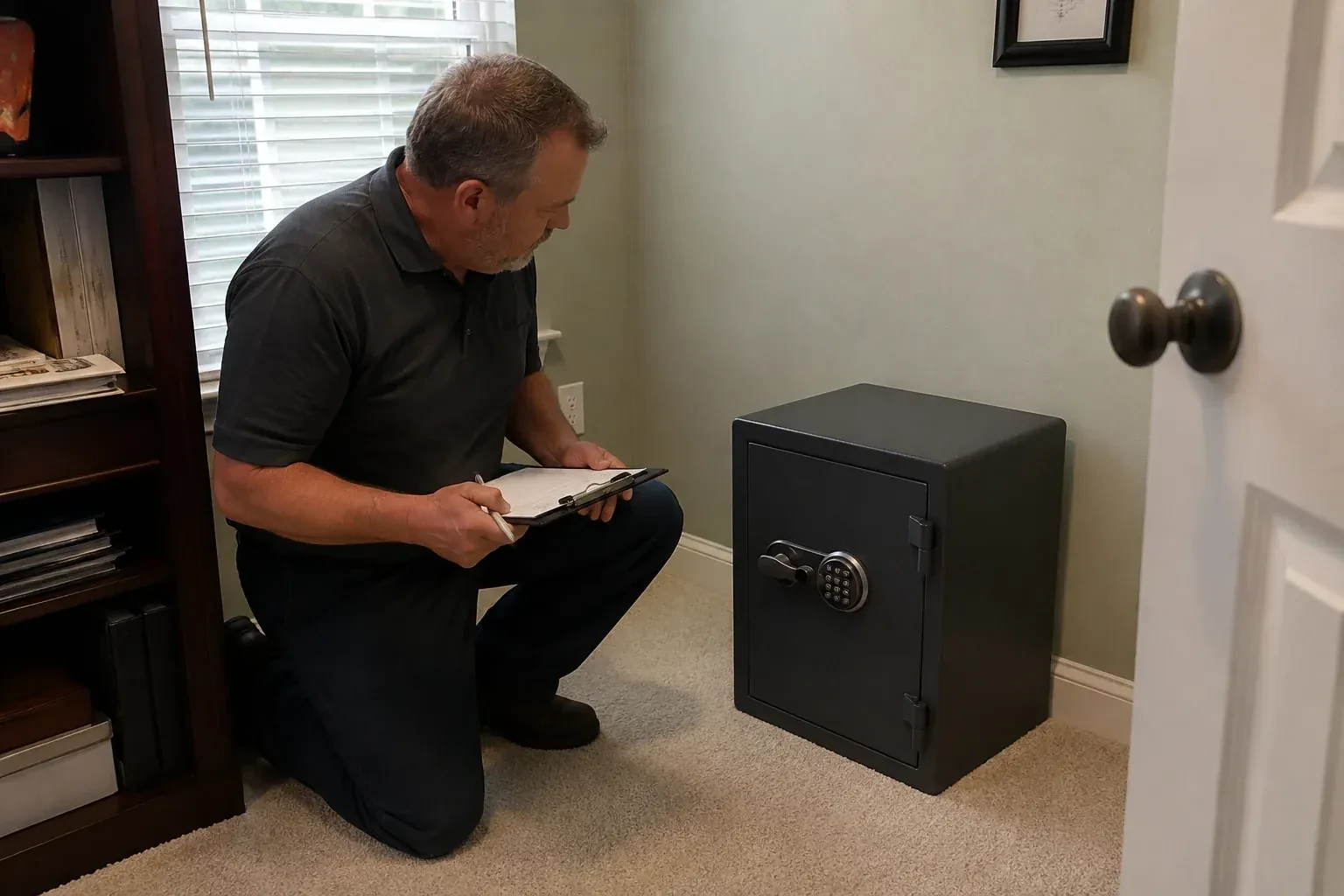
What to have ready
- Is the lock a dial, a keypad, or a key?
- Is the safe bolted down, built in, or freestanding?
- Is there a data plate or any paperwork you can find?
Safe Opening & Combination Change: questions
QuestionsHow should I keep a written record of my new combination?
Somewhere away from the safe itself: a sealed note held by a manager, a separate secure file, or a password manager already used for other business records all work better than a note taped to or near the safe, which is one of the first places anyone would check. Deciding who updates that record when staff change is worth agreeing on before this visit ends.
Will opening my safe damage it?
In most cases the lock and case are left intact, since manipulation, decoding and manufacturer reset paths all work the mechanism the way the original combination would. Drilling is kept for cases where the gentler routes are unavailable or exhausted, aimed at one small point the manufacturer marks as repairable, and patched before the visit ends; a skilled technician aims to leave the rest of the body, hinges and finish unaffected, though the outcome and any effect on the safe's rated protection level depends on its construction.
What if my safe is bolted to the floor or built into a wall?
The opening and combination work proceed the same way regardless of how the safe is mounted; access to the lock face, dial or keypad is what matters, not whether the case itself can be moved. A built-in or bolted safe simply means the locksmith works around its fixed position rather than moving it to a more convenient spot.