Car keys · Brantford
Vehicle Lock Repair
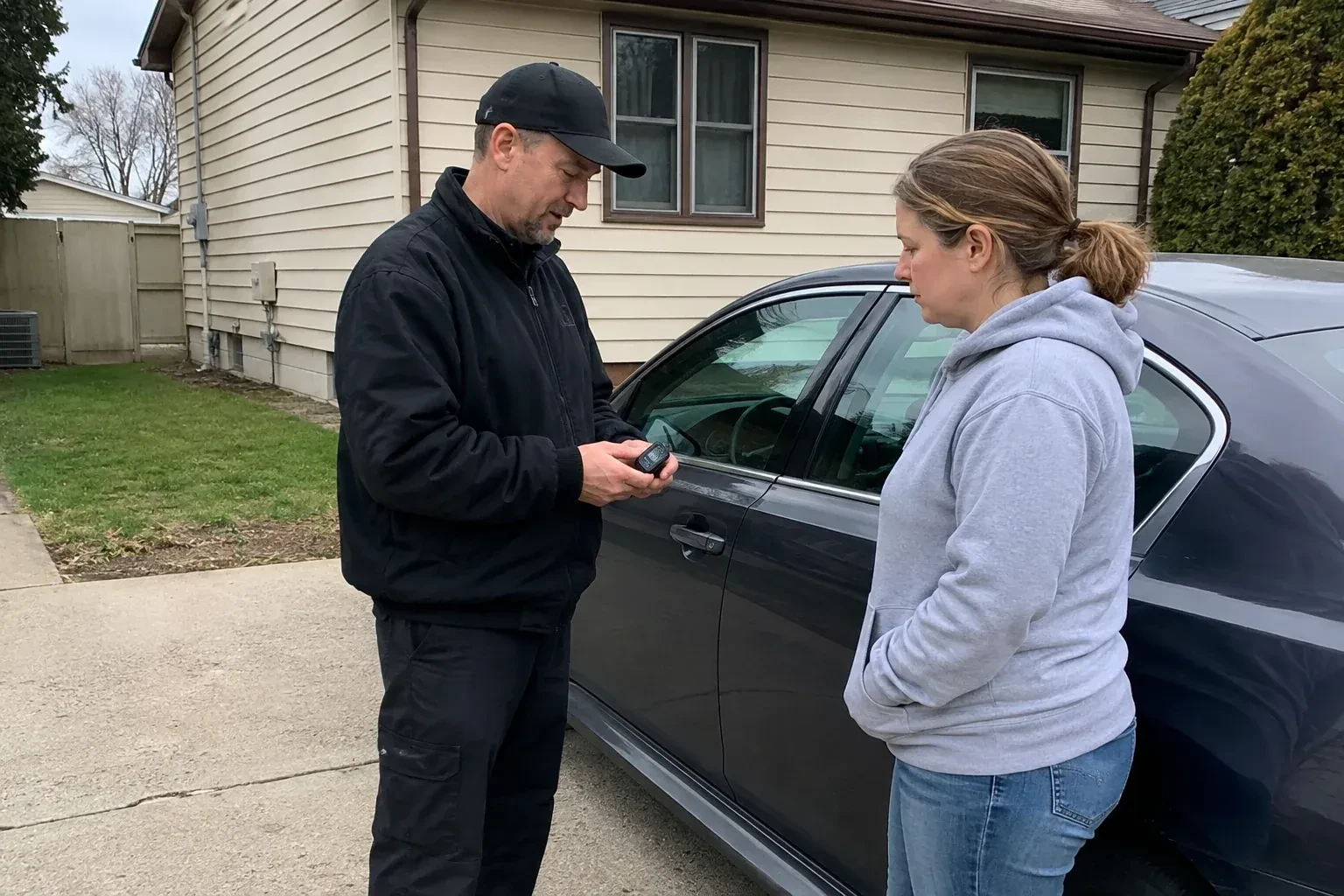
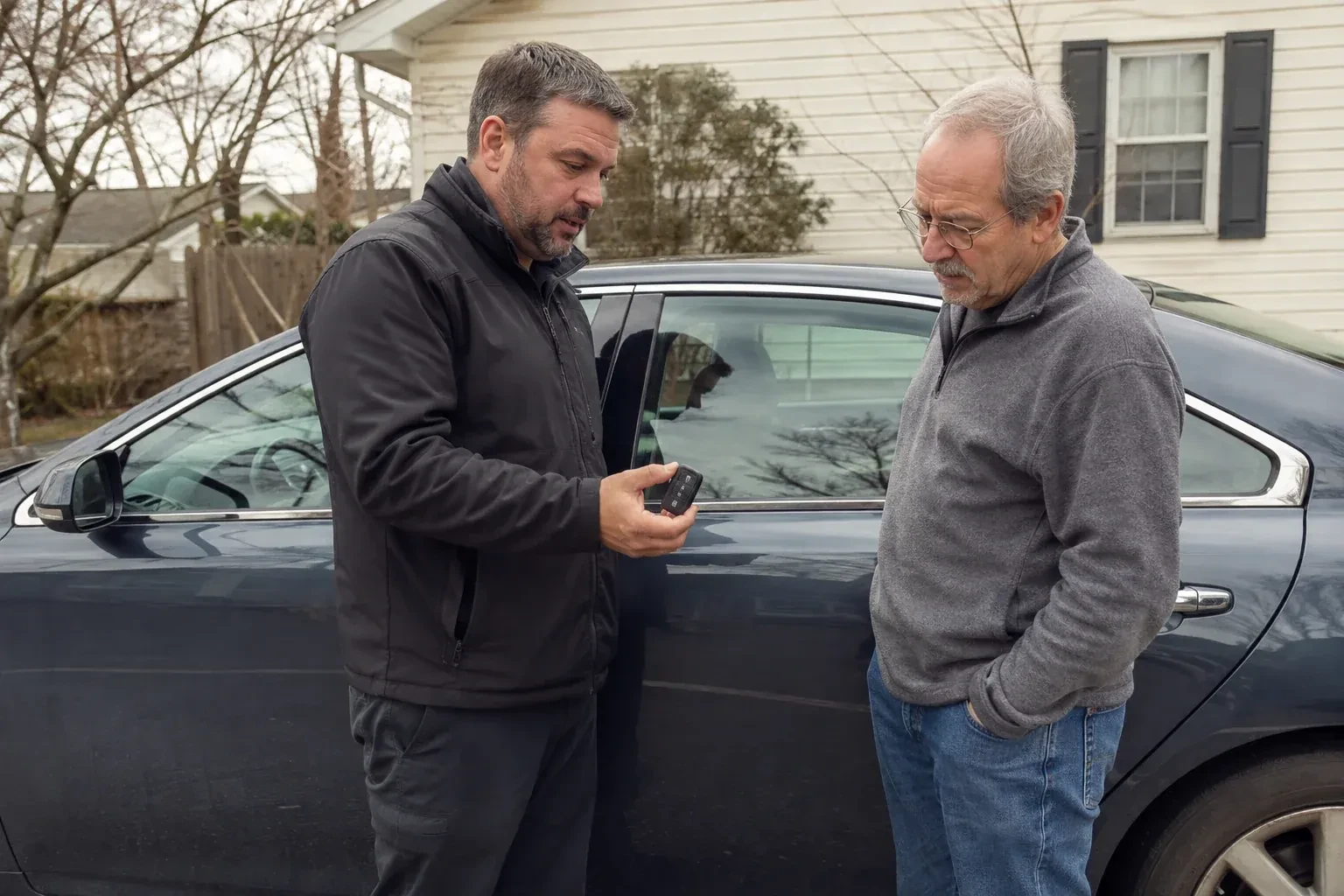
The car came with a second key that grinds and catches in the rear door, unlike the smooth key you use every day on the front two.
In plain words
A used vehicle sometimes arrives with a lock or two that never quite matched the rest, whether from a prior repair, a replaced door, or a key cut from a worn original. Vehicle Lock Repair sorts out which lock is the outlier, works out whether the cylinder, the key or the linkage is the mismatch, and brings that point back onto the same key and the same smooth action as the rest of the vehicle, so the whole car finally behaves as one set again.
How the visit goesAfter a cold night the driver's door key barely goes in, and when it finally seats it stops halfway and will not turn any further. Meltwater from the day before ran into the keyway and the overnight drop in temperature sealed it solid.
Vehicle Lock Repair
How the visit goes
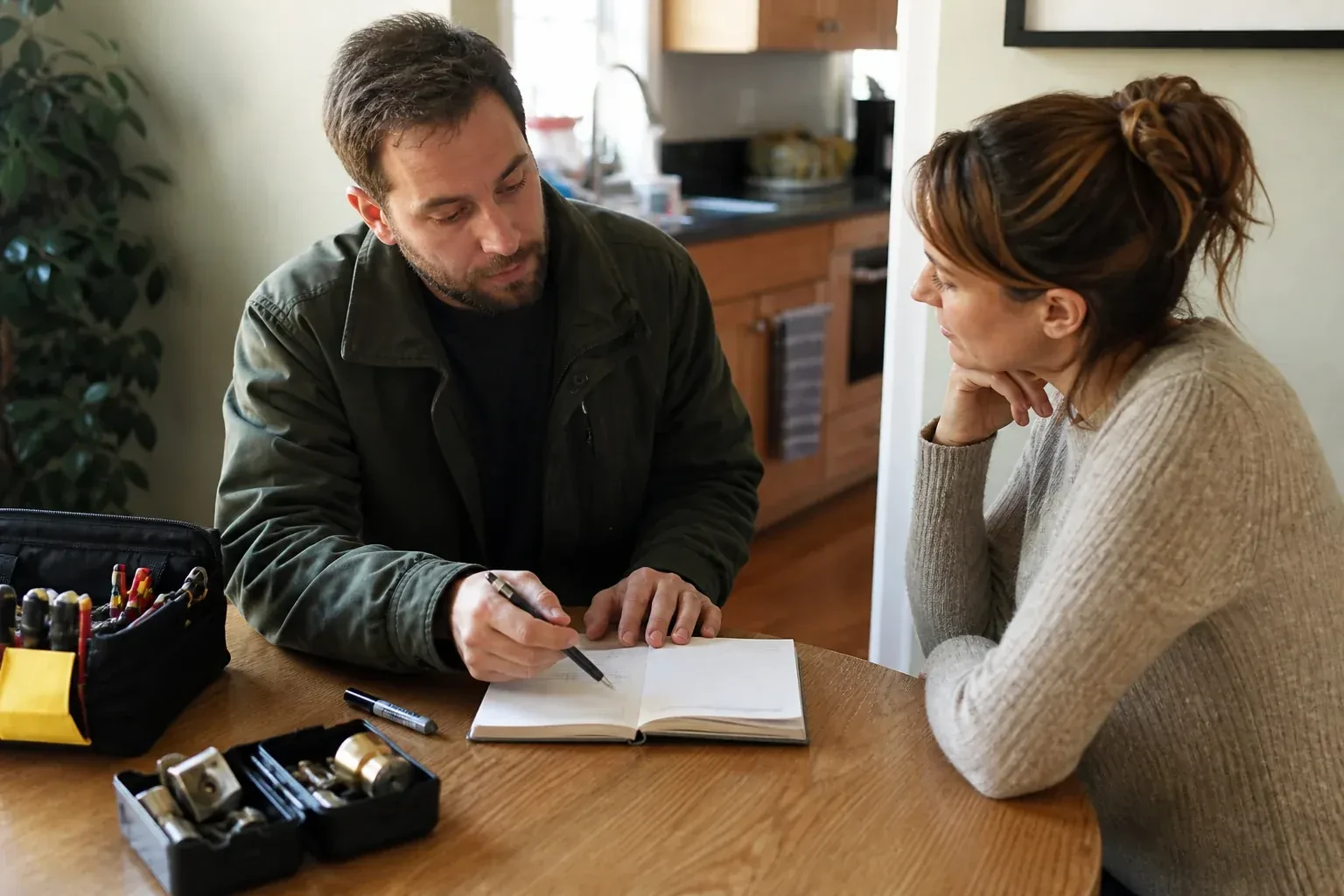
Noting anything already tried or already damaged
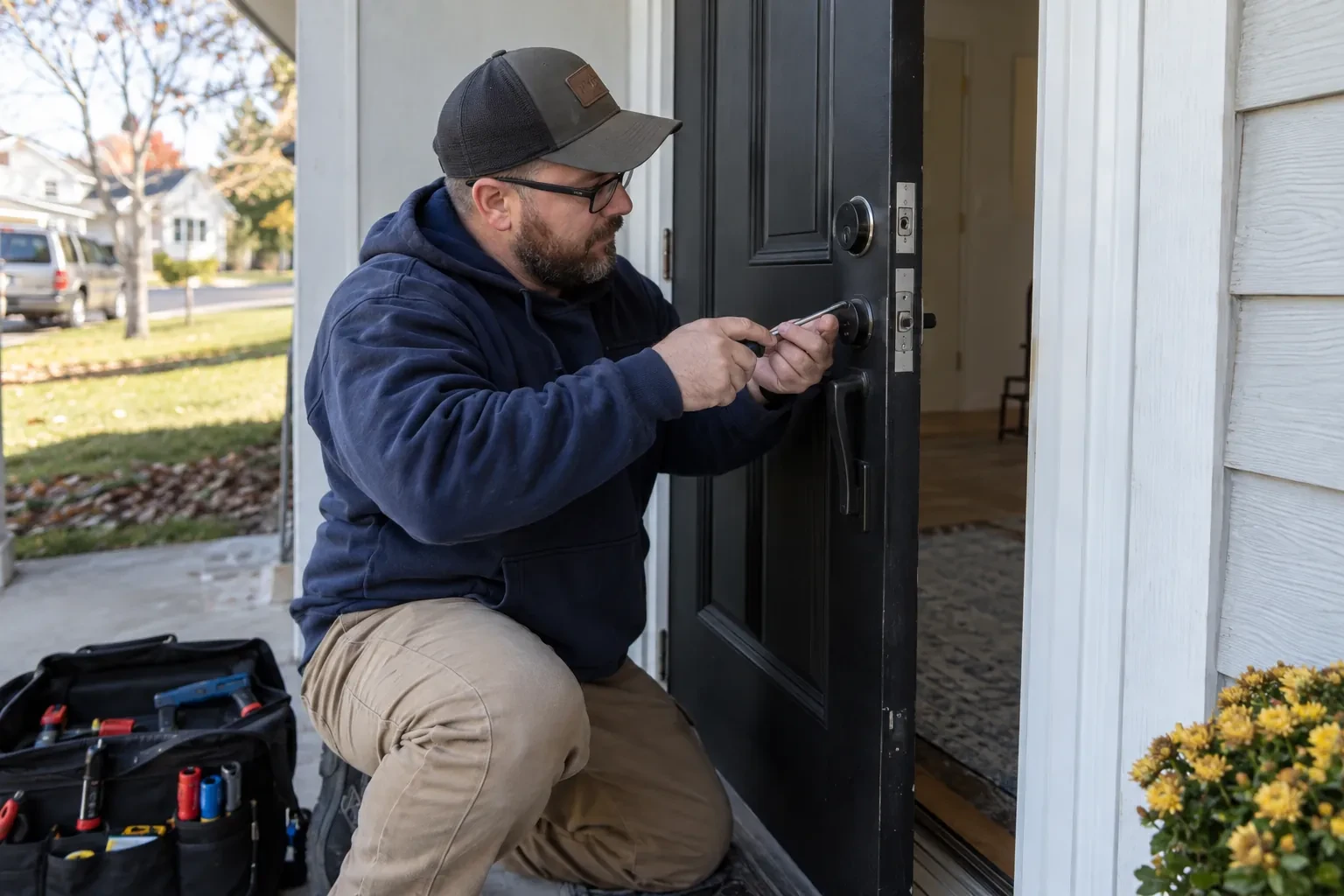
Finally, the locksmith asks what has already been attempted: has anyone pried at the door, forced the key, or opened the panel before arriving? A bent linkage rod from an earlier attempt, a scratched cylinder face, or clips already broken on the trim panel all change what the repair involves, and knowing about them ahead of time means the visit addresses what is actually there rather than assuming a clean starting point.
Working from the least invasive point first
Once the failed part is identified, the repair starts with the simplest fix that solves it. A disconnected linkage rod is reclipped rather than replaced, a dirty cylinder is cleaned and lubricated before it is condemned, and a stiff key is tried against a freshly cut replacement before the lock itself is disturbed. Working this way keeps as much of the vehicle's original hardware in place as the fault allows.
A key set that matches across the vehicle
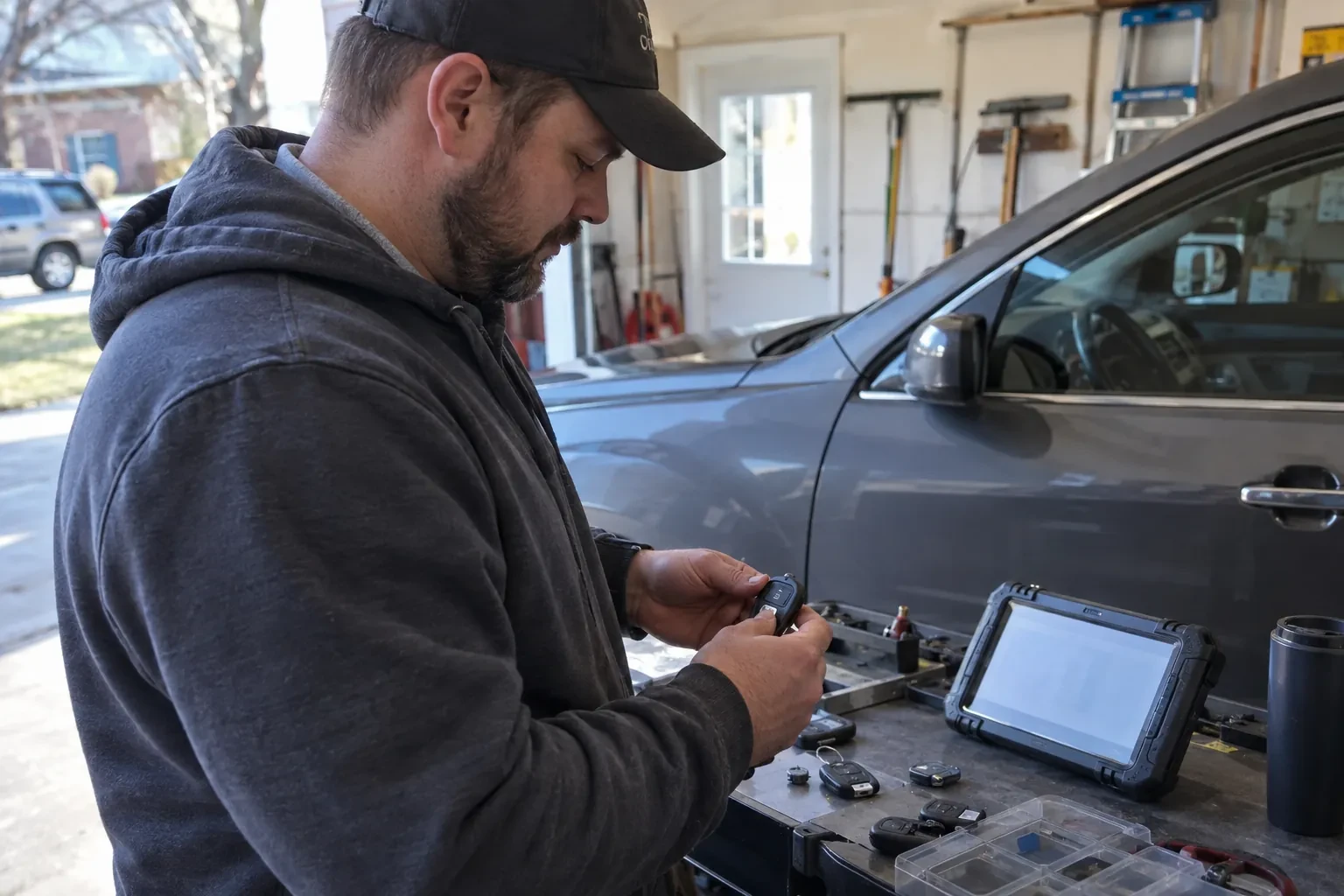
If a key or fob was cut or matched during the visit, every lock on the vehicle is tested with it, not only the one that was repaired, so you leave with a single key or fob operating the whole car the way it did when it was new. Any spare that was cut alongside it is tested too, and it is worth confirming that everyone who drives the vehicle has the version they need.
Vehicle Lock Repair
In the van
Linkage rods and clips
Replacement lock cylinder
Wiring harness door boot
Multimeter for wiring checks
Transponder chips
Vehicle Lock Repair
What affects the quote
Any upgrade chosen during the visit
Some owners use the visit to add a spare fob, bring a household's vehicles onto matching keys, or fit a replacement key with features the original lacked. None of this is required to complete the repair; each option is priced on its own.
Age and make of the vehicle
Some vehicles use widely available hardware, while others need parts sourced specifically for that make and model. Availability of the matching cylinder, actuator or key blank affects the timeline and the quote.
Whether the vehicle is easy to work around
A vehicle parked in an open, level spot is simpler to work on than one that is not easily reached or is parked somewhere awkward, which affects the time the visit takes.
What to have ready
- Is there any sign of water or corrosion around the affected lock?
- Do you have the vehicle's registration or ownership document on hand?
- Which lock is affected: a door, the trunk or hatch, or a storage compartment?
Vehicle Lock Repair: questions
QuestionsCan a vehicle lock be repaired without replacing the whole mechanism?
In many cases, yes. A locksmith opens the trim panel, tests the cylinder, the linkage and the actuator separately, and repairs or replaces only the part that has actually failed. A slipped linkage rod, for example, is often reclipped rather than replaced outright.
Can a damaged weatherstrip really affect the lock itself?
Yes. A perished or torn seal around a door or hatch lets rain and winter brine reach the cylinder, the linkage and the wiring behind the panel, and repeated exposure is one of the more common reasons a lock that used to work smoothly starts sticking or failing.
What causes a car door lock to seize up in winter?
Meltwater from a thaw can run into the keyway during the day and refreeze overnight, and road salt and brine thickens grease inside an older cylinder. Both make the key resist turning or stop partway, and both respond well to gentle warming or a lock de-icer rather than force.
Related services
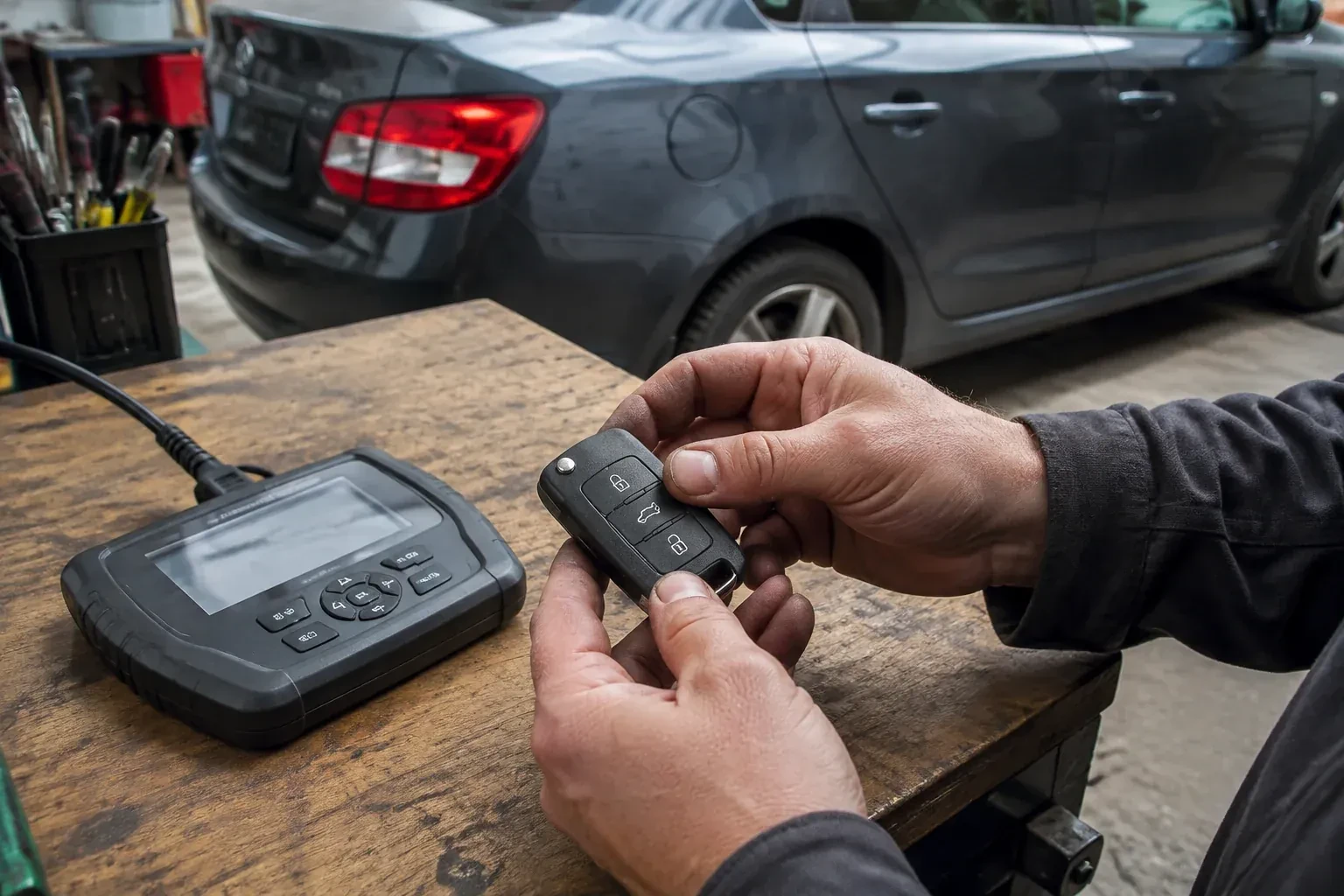
- Car Key ReplacementThe car is yours now, but somebody else still holds a key to it.
- Spare Car Key DuplicationA lockout last month ended with a locksmith opening the door and going home, and the same single key has been carried ever since with nothing behind it.
- Key Fob ProgrammingA fob went missing weeks ago somewhere between a coat pocket and a parking lot, and a spare has covered the gap since.