Car keys · Brantford
Spare Car Key Duplication
A lockout last month ended with a locksmith opening the door and going home, and the same single key has been carried ever since with nothing behind it.
In plain words
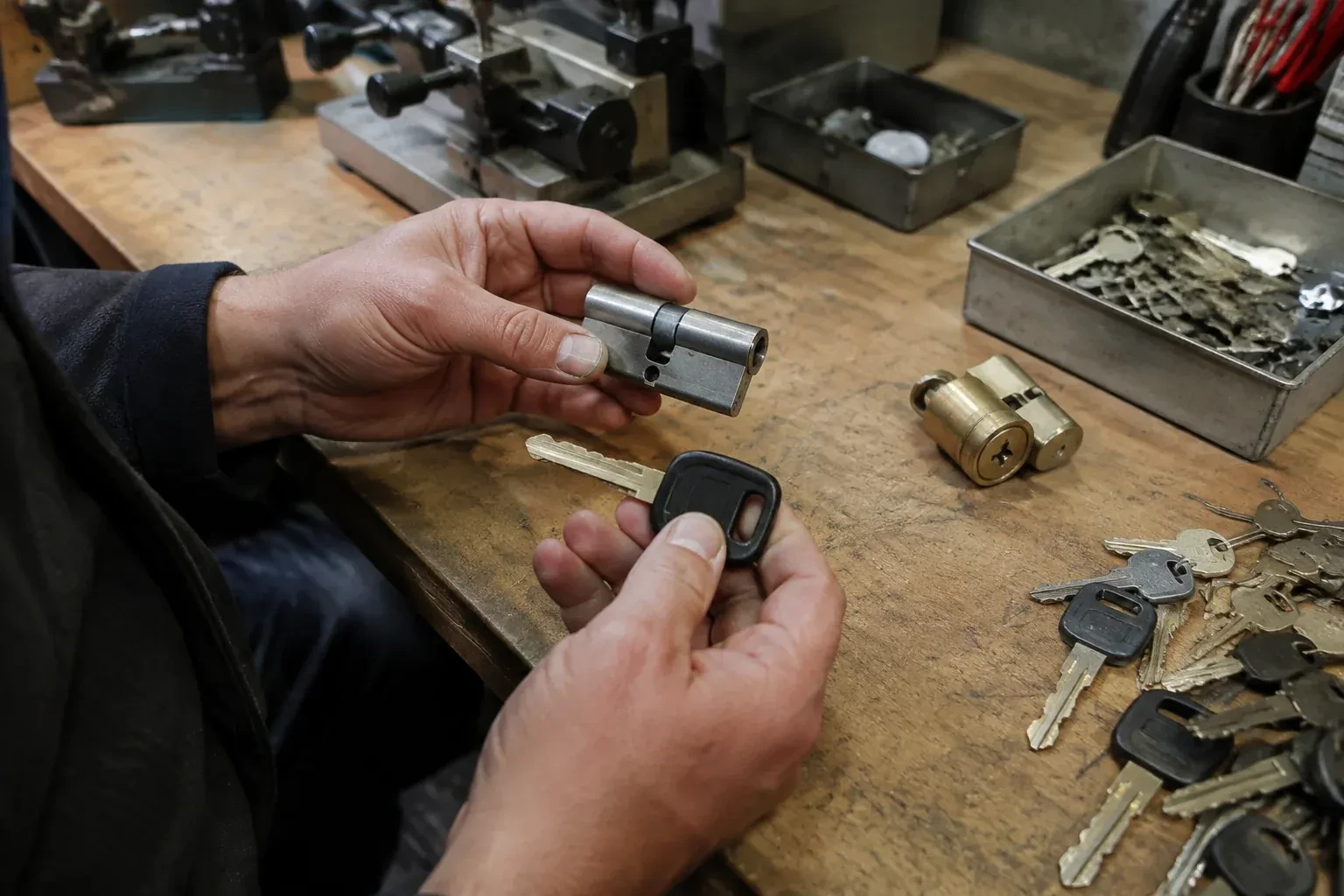
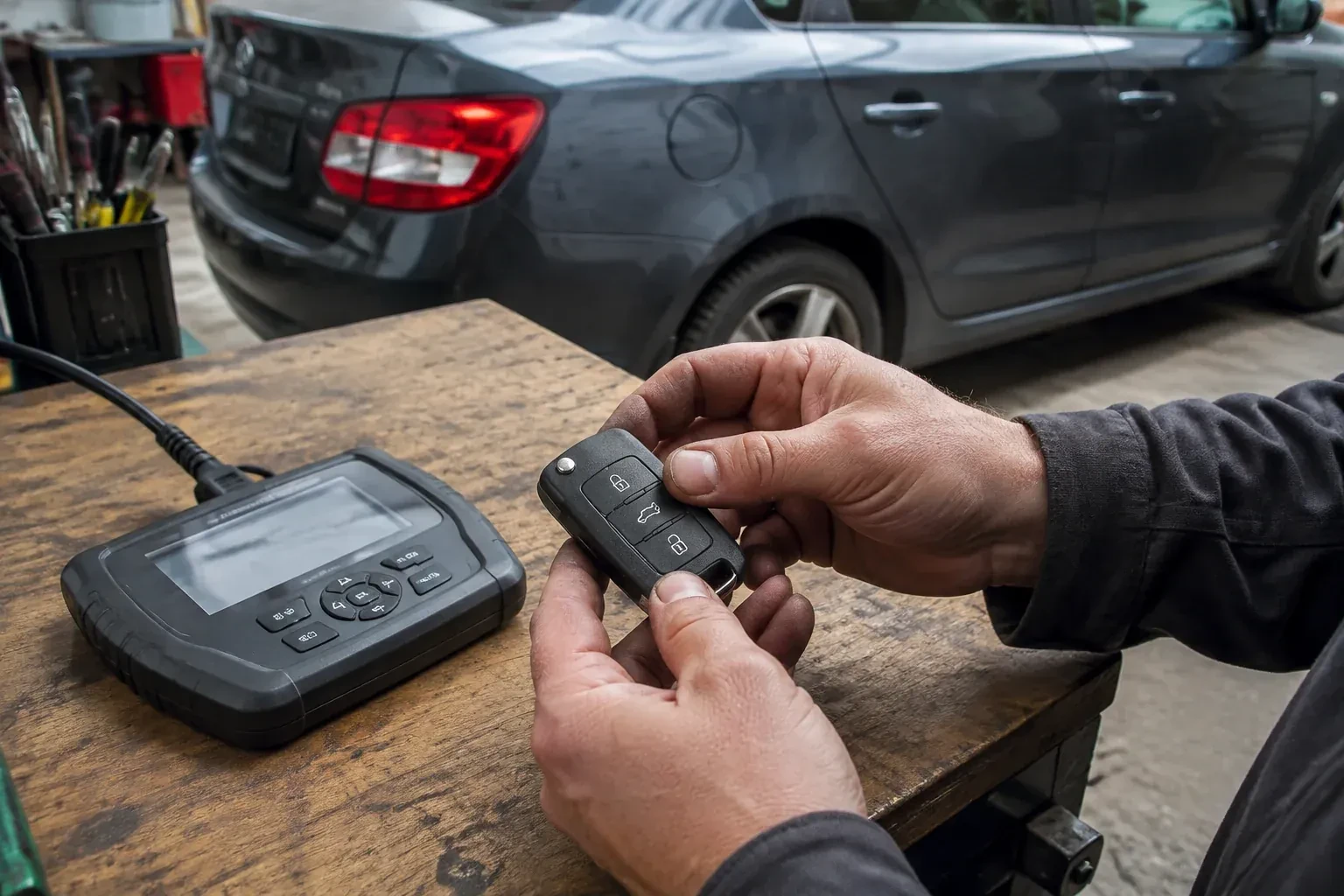
Making a spare before the original goes missing is simpler than making one after, because the whole process is built from a working key to read or trace from. With the vehicle and its existing key both present, the locksmith identifies the blade profile and the chip or coding the immobilizer expects, produces a matching blank, and gives it the same electronic identity as the first key. Testing both keys side by side in every door and the ignition confirms the spare performs the same way, so a future lost key becomes an errand rather than a call for entry.
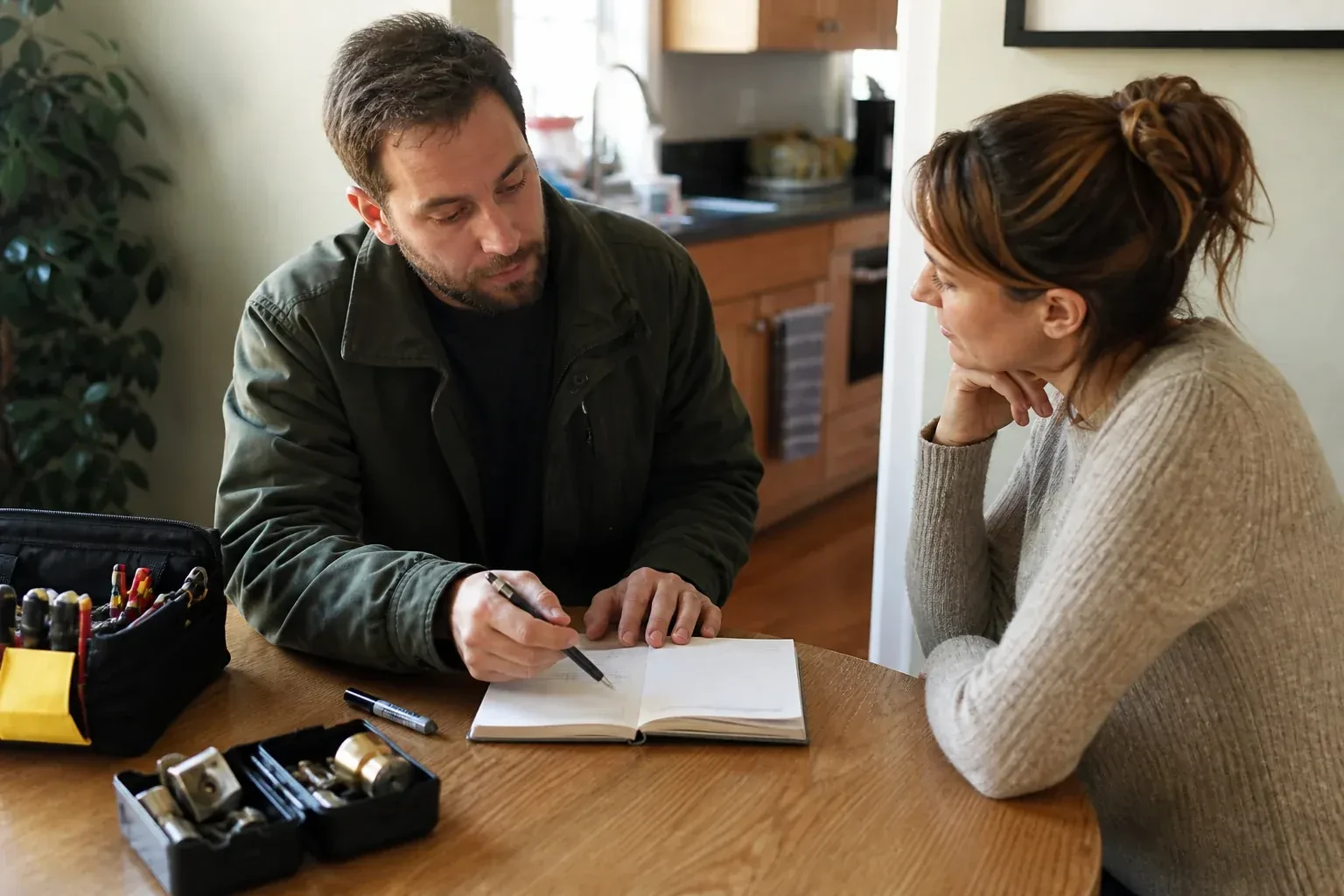
How the visit goesA teenager just passed a driving test and reasonably wants a key of their own rather than negotiating over the family's single copy every time the car is needed. Two drivers and one key keep colliding on the same schedule.
Spare Car Key Duplication
How the visit goes
Checking how many keys already exist
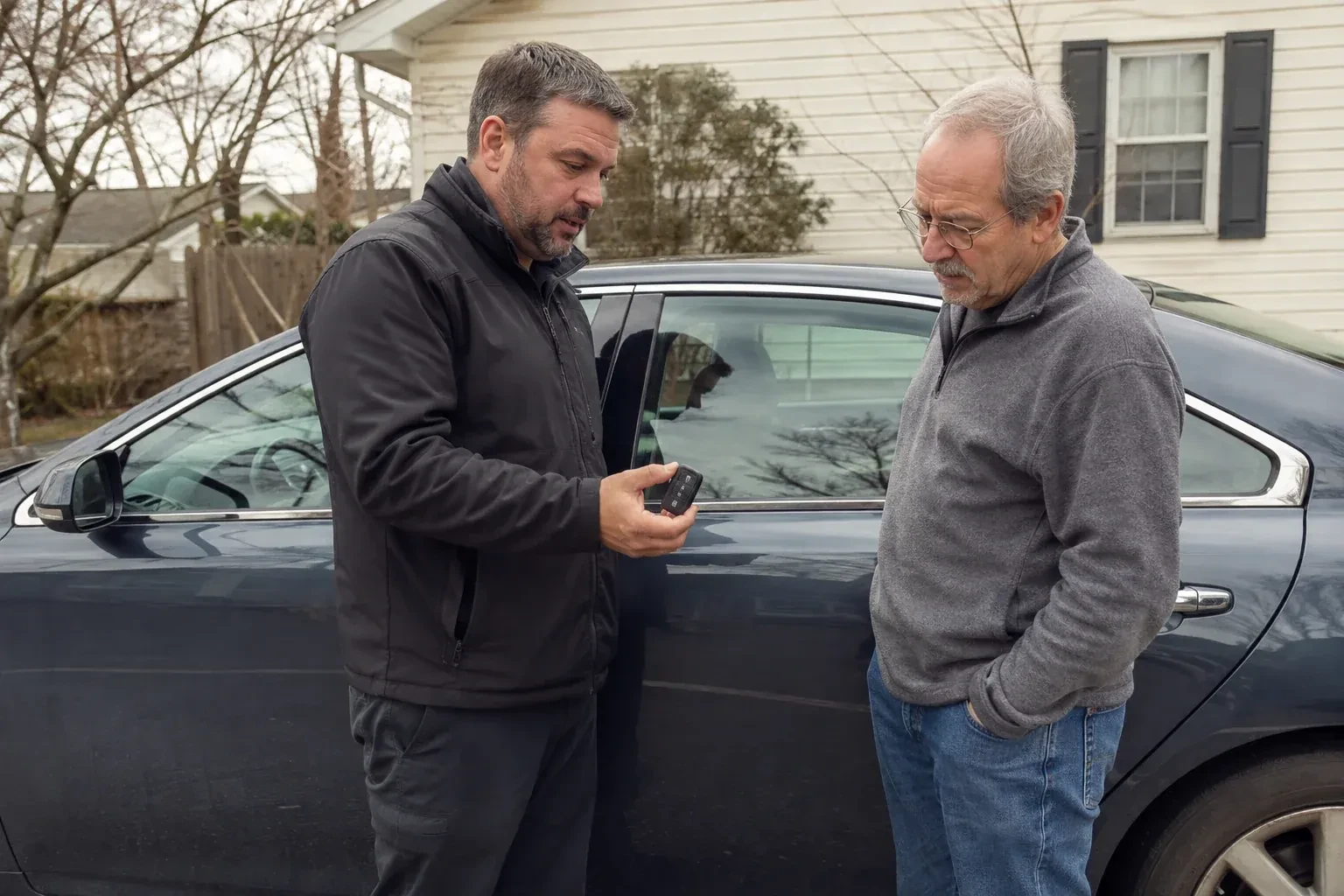
A vehicle can be sitting on more than the one key its owner mentions, and an honest account of every key, valet key and remote in circulation shapes what happens next. If two or three already exist and work, a new spare simply joins that set. If a key was lost some time ago and never accounted for, that shifts the conversation toward reprogramming the whole system to drop the missing one, rather than quietly adding a fourth key to a set that already has an unknown copy loose somewhere. Either way, knowing the real count is worth establishing before cutting begins.
Working from a used or single-key vehicle
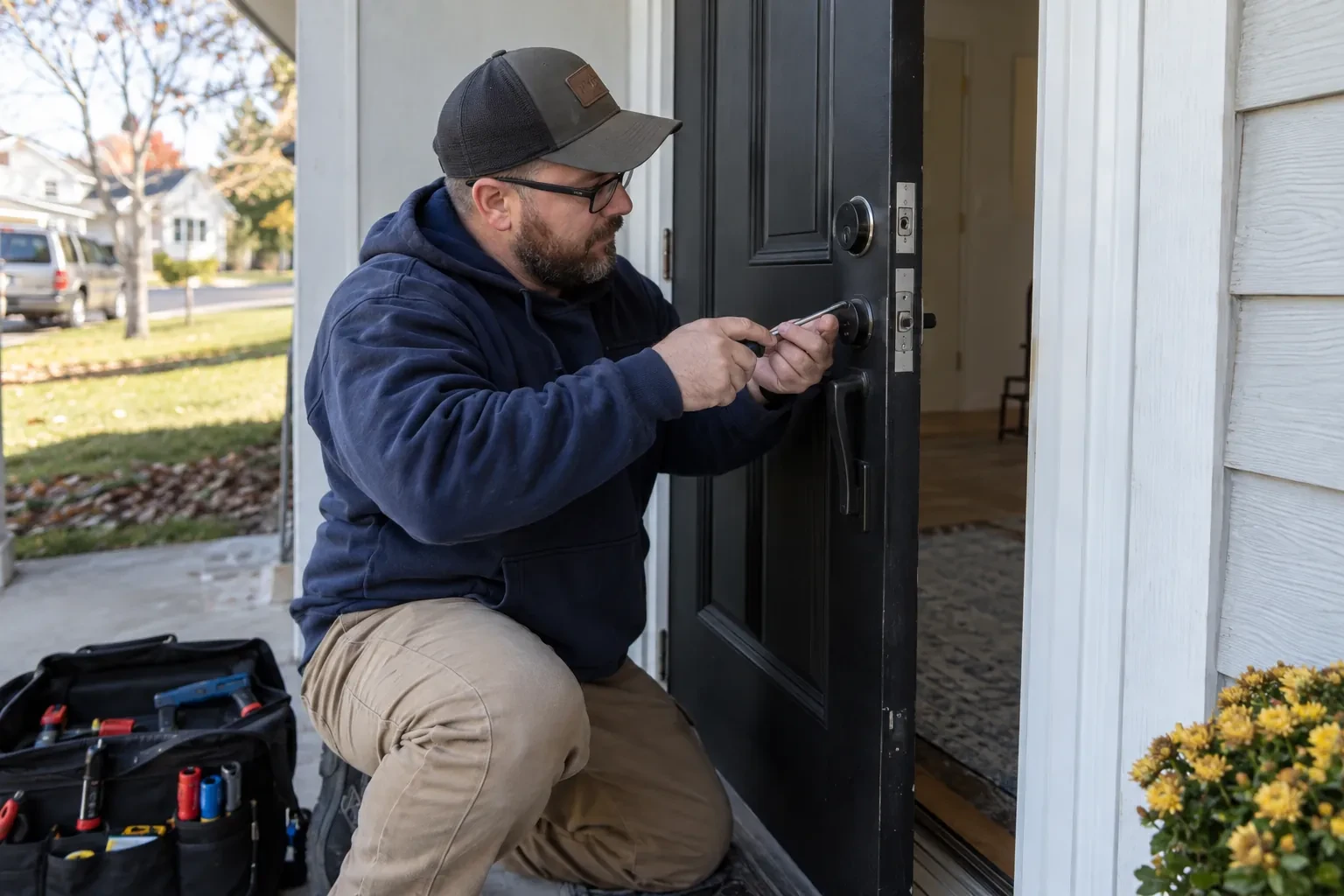
When only one key exists for the vehicle, the whole process leans on that single copy: its blade is traced or measured, its chip is read where the system permits it, and every remote function it performs is noted before work starts, since there is nothing else to check against. The new key is built to match, then tested on its own, away from the original, to confirm it genuinely operates independently rather than only appearing to work while the first key happens to be nearby with its own signal still in range.
Where the spare should live
A spare that stays inside the vehicle solves little if the vehicle itself is what gets locked or lost, so the sensible places are a bag that travels separately, a drawer at home, or with a family member who is easy to reach. A passive proximity spare benefits from a signal-blocking pouch when it is stored, since that kind of fob keeps broadcasting even while it sits untouched in a drawer; a standard button-operated remote works differently and does not need the same pouch. Wherever it ends up, the location is worth sharing with at least one other person in the household so the spare is findable by someone other than the person who put it away.
Spare Car Key Duplication
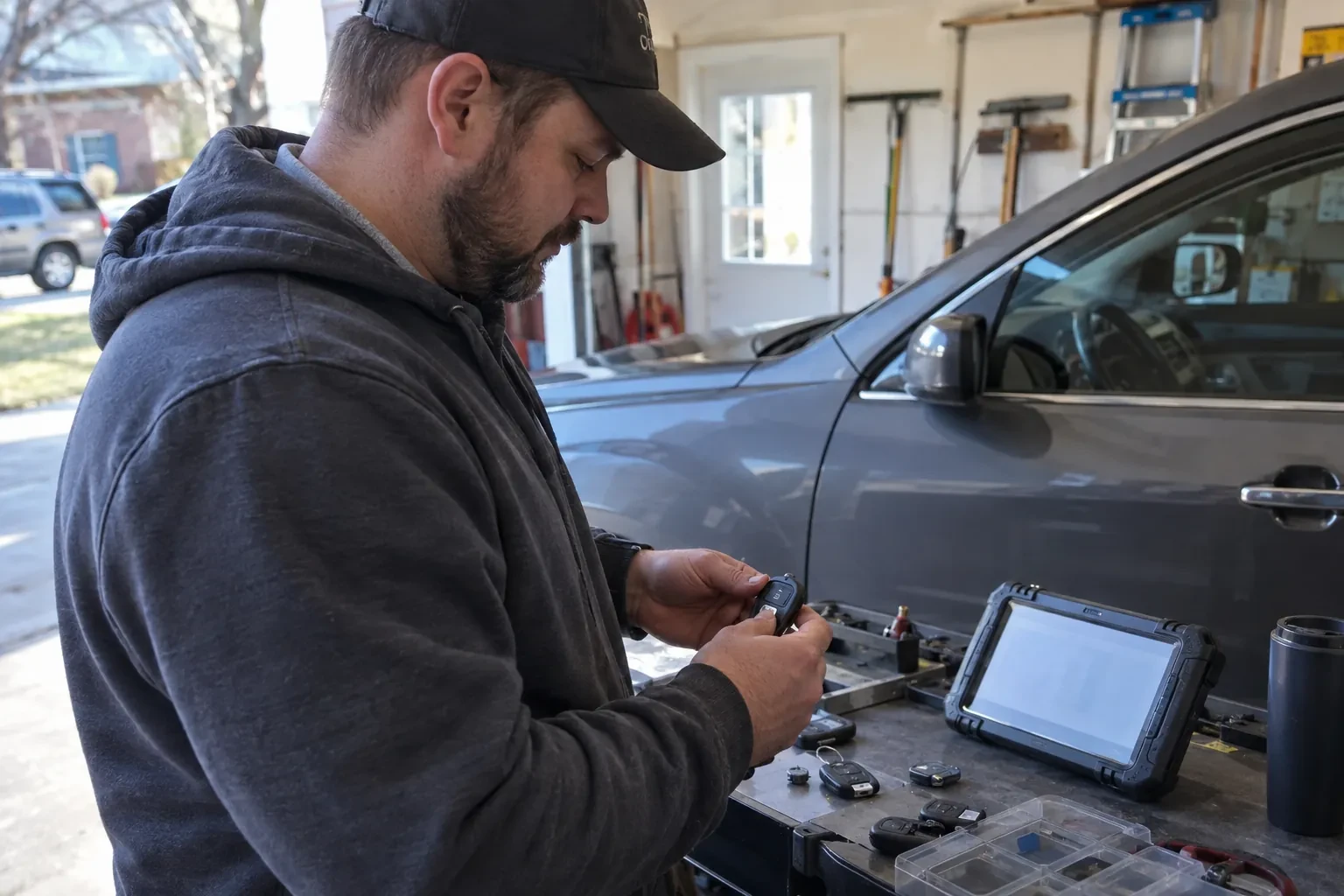
In the van
Proximity fob shell
Remote-head key shell
Key duplicating machine
Diagnostic port programming interface
Coin-cell fob battery
Spare Car Key Duplication
What affects the quote
Which key system the vehicle uses
A plain mechanical blade, a transponder key, a remote-head key and a proximity fob each call for different tools and different amounts of time, so identifying the system early shapes the whole quote before any cutting or programming starts.
How many keys are needed
Making one spare is a smaller job than producing several matching keys for a whole household or a small fleet in the same appointment, and the quote reflects how many are wanted.
Manufacturer-specific security systems
Certain manufacturers build key systems that call for specialized equipment or additional authorization steps, which can mean more time at the vehicle than a more widely supported system.
What to have ready
- Has a key ever gone missing that was never accounted for?
- Is the current key showing any wear, cracks or a weak battery?
- Do you currently have one working key, or more than one?
Spare Car Key Duplication: questions
QuestionsWhat if the fob's battery is already low?
A low battery in the original does not stop a spare from being made, since the chip and code stored inside still respond during programming even as the battery fades. It is worth mentioning the low battery when you call, though, since the new fob is a natural moment to have a fresh battery on hand for both keys and to note which type each one takes.
How should I store the spare once I have it?
Somewhere other than inside the vehicle, since a spare kept in the glovebox solves little if it is the vehicle itself that becomes inaccessible. A bag that travels separately, a drawer at home, or a trusted family member all work. A passive proximity spare also benefits from a signal-blocking pouch during storage, since that kind of fob keeps broadcasting even sitting untouched in a drawer; a standard button-operated remote does not need the same pouch.
What identification do I need to bring for a vehicle that isn't mine, like a company car?
Bring whatever document shows your connection to the vehicle in that situation: a company letter or fleet record for a workplace vehicle, a lease agreement for a rented one, or a note from the registered owner for a family member's car. The locksmith is confirming that the person asking for a key is entitled to hold one, which protects the vehicle's owner as much as it protects you.
Related services
- Car Key ReplacementThe car is yours now, but somebody else still holds a key to it.
- Key Fob ProgrammingA fob went missing weeks ago somewhere between a coat pocket and a parking lot, and a spare has covered the gap since.
- Transponder Key ProgrammingSince the remote starter was installed last month, the original key has started acting strangely, the car catches on the first turn some mornings and refuses outright on others.