Change or rekey · Tutela Heights
Vintage Mortise Lock Service in Tutela Heights
The brass knob on the front door of your century home turns, but nothing happens on the other side.
In plain words
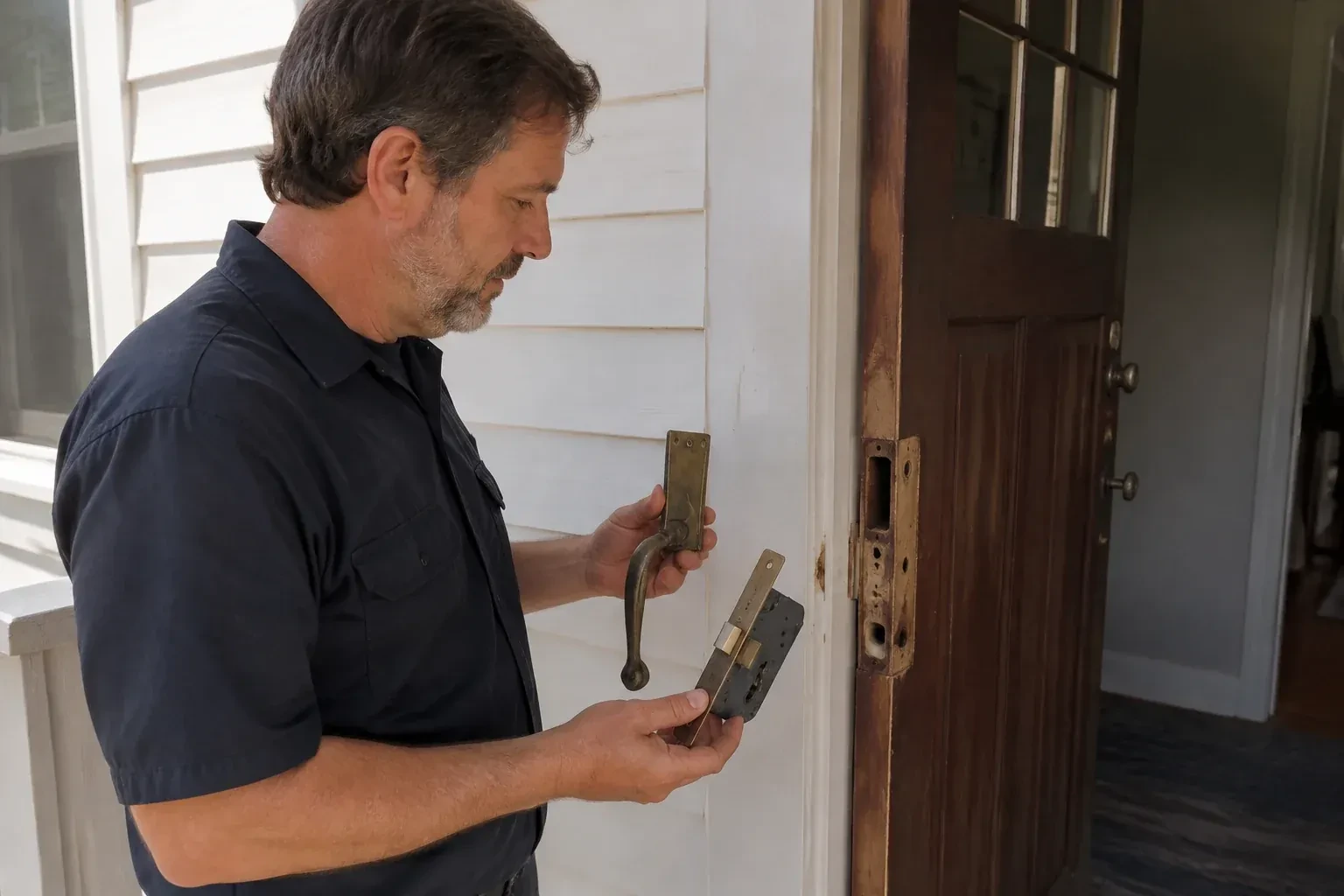
Where the door has moved, the lock gets blamed. Solid wood doors in older houses swell in humid weather, shrink in winter and settle on their hinges, and a mortise lock that was set decades ago ends up with its latch and bolt aiming a little below the strike. Part of every vintage lock service is reading how the door hangs, tightening or packing the hinges, and moving or filing the strike so the latch catches and the bolt throws without lifting the handle. Often that alignment work, plus a clean and new springs, is the entire repair, and the customer gets back a door that closes with one hand.
How the visit goesAfter a wet summer the entry door sits lower in its frame. The lock works perfectly when the door is open, but with it shut you have to lift the handle and shoulder the door to get the deadbolt to throw.
Vintage Mortise Lock Service
How the visit goes
How the knob and key actually behave
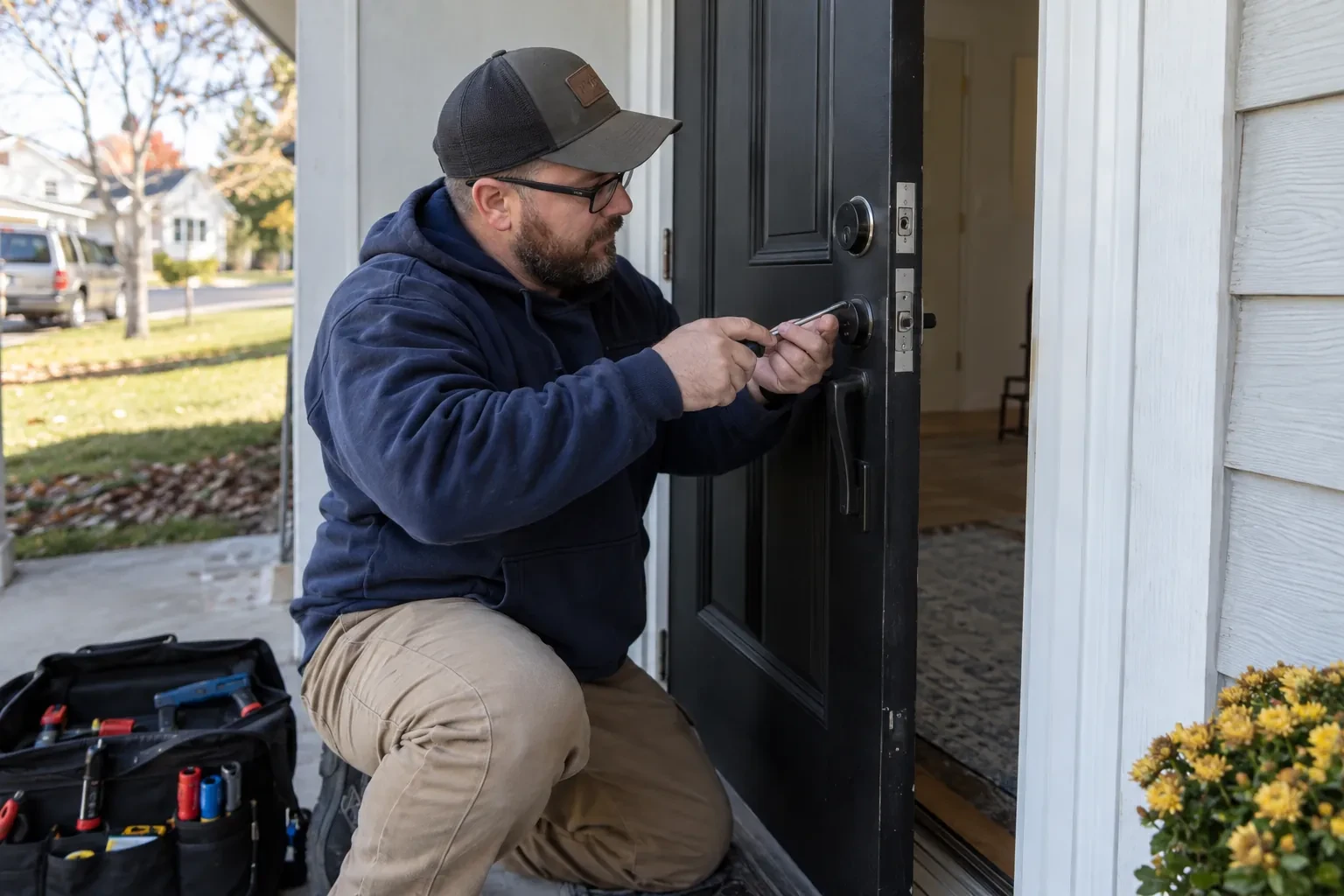
A short conversation with the hardware comes next. The knob is turned and released: does it return smartly, sag back, or not return at all? Is there free play before the latch moves? The key is tried in the deadbolt with the door open: does the bolt throw fully, catch part way, or ignore the key while the key turns? The thumb-turn gets the same test. Each answer points somewhere different inside the case, a latch spring, a hub spring, a worn hub square, a deadbolt lever, a cylinder cam, and the locksmith is building a short list of likely parts before the cover ever comes off.
Cutting a bit key to the lock
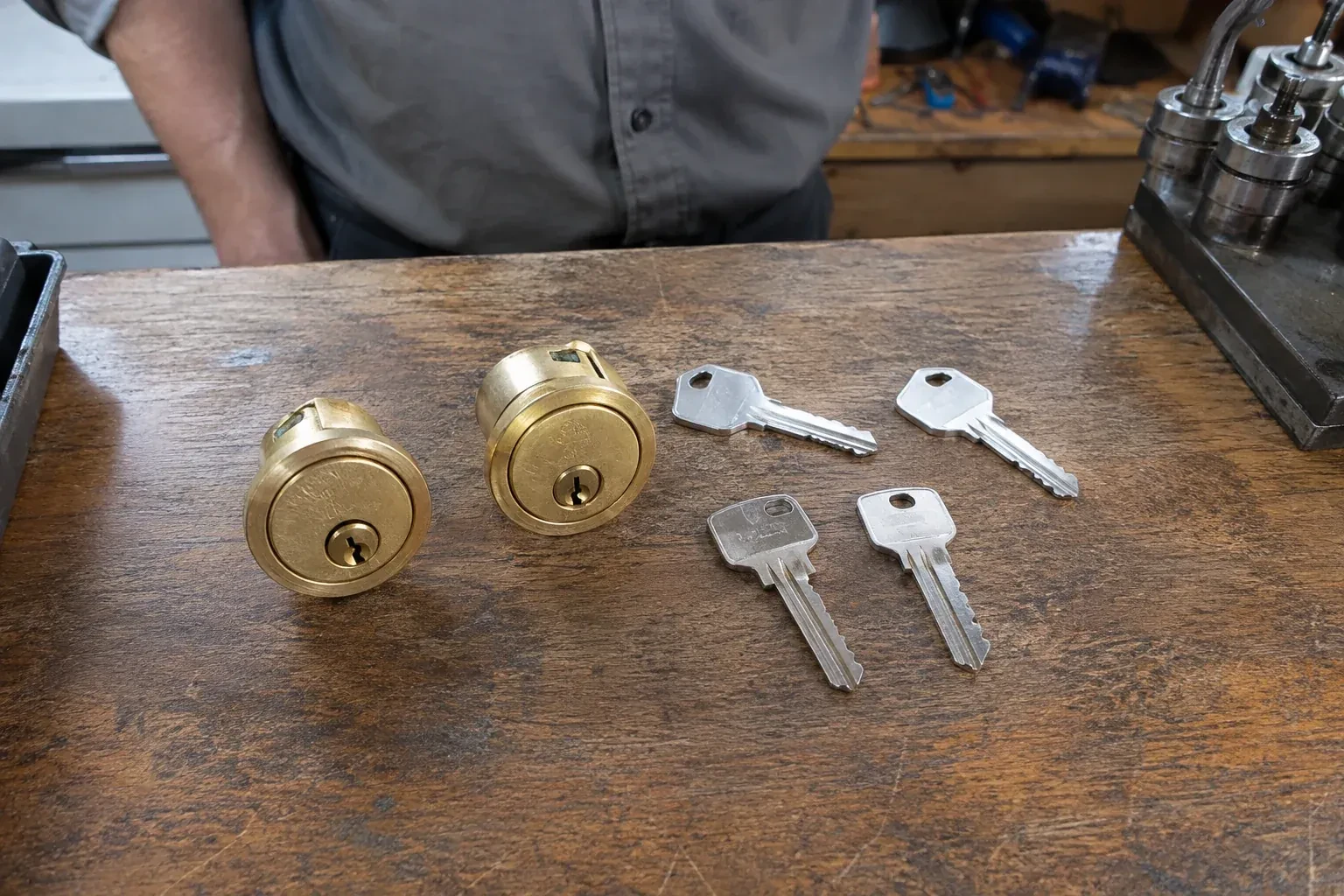
For a bit-key lock, keys are made to the case rather than copied from a pattern. A blank with the right bow, shank and bit size is chosen, then the bit is filed by hand to clear the wards inside the case and to lift each lever to the correct height. The key is tried, marked, filed again and tried again until it turns the bolt cleanly from both sides. A second key is made to match while the first is fresh. Where a working original exists, it is used as a guide and the new key is cut to it, and a worn original can itself be gently restored if the customer wants to keep using it.
How to lubricate it, and how not to
A serviced mortise case wants very little. Once a year, a single drop of light lock oil into the latch and the bolt from the door edge, with the faceplate screws briefly backed off if needed, keeps the levers gliding. If the lock has a pin-tumbler cylinder, that cylinder gets dry graphite or a PTFE lubricant in the keyway instead, because oil in a cylinder gathers grit and stiffens the pins. General-purpose spray lubricants belong nowhere on this hardware; they flush out the little oil that should stay and leave a film that dust settles into. The locksmith will show you where the drop goes so you are not guessing.
Vintage Mortise Lock Service
In the van
Latch and hub springs
Spindle and knob set screws
Dry graphite or PTFE lubricant
Reproduction mortise case
Hub followers and lever packs

Vintage Mortise Lock Service
What affects the quote
Travel and access
Distance to the property and how easy it is to work at the door, on a busy entry or a third-floor walk-up, are part of any call-out and are stated when the visit is booked.
Whether the door has to come off its hinges
Some mortise cases can be serviced with the door hanging in place, while a tight jamb or a stubborn case sometimes means lifting the door off its hinges onto a level bench. That step is identified once the case is open and the repair needs are clear.
Extras you choose on the day
A high-security cylinder, a lockbox for a spare bit key or a separate modern deadbolt above the original are optional additions. None is required to make the old lock work, and each is priced as its own line.
What to have ready
- Do you own the home or rent it, and who should receive the keys?
- What does the knob do when you turn it: return, sag, or not come back?
- Is the deadbolt keyed from the inside as well as the outside?
Vintage Mortise Lock Service: questions
QuestionsDoes a rented home need the landlord involved for this work?
Repairing a lock so it works as before is ordinary maintenance, but anything that changes who can open the door, such as a rekeyed cylinder or new keys, is something a tenant and landlord are expected to agree on and share keys for. The locksmith asks up front who should receive keys and can leave a note of what was done for the property manager, so both sides know what is on the door.
Is it worth repairing an old mortise lock instead of replacing it?
Usually, yes. The mechanisms are simple and robust, and what fails is nearly always a spring, dried grease or wear on one part, all of which are repairable on a bench. Replacing the lock with a modern cylindrical set means boring a large hole through the door stile and filling the old pocket, which is more work and changes the door for good. A rebuilt case keeps the original trim and keeps the door intact.
Is it safe to keep a deadbolt that is keyed on both sides of the entry door?
It is better not to. A bolt that needs a key from inside can trap the household when a key is not to hand, and a door people leave the home through works better opening without keys or special knowledge. During service the locksmith fits a thumb-turn to the bolt tail or otherwise makes the inside release without a key, keeping the vintage lock and the clear way out.
Related services
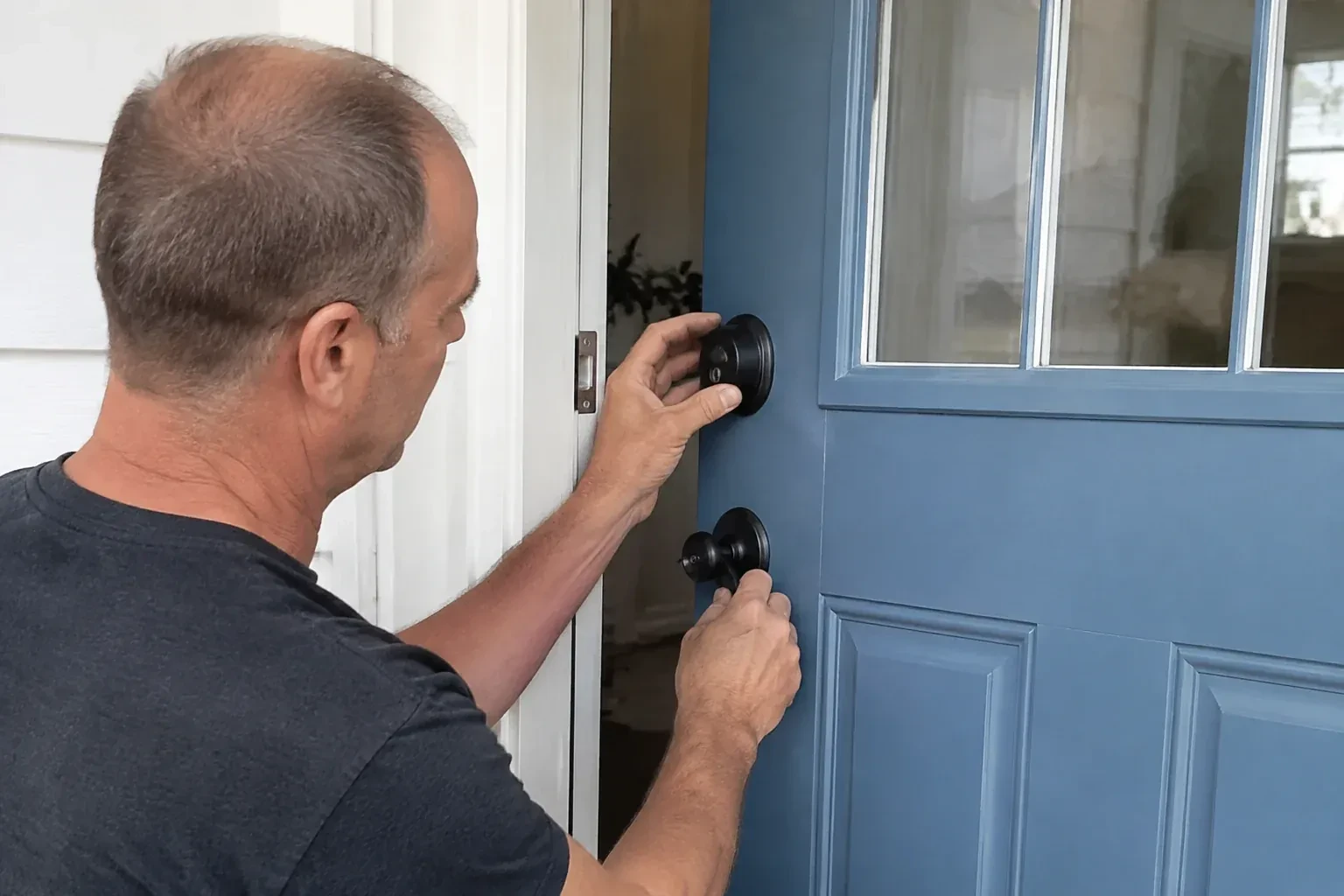
- Deadbolt InstallationYou bought a keypad deadbolt online and pulled the old one off, only to find the hole in the door is a different size and the bolt latch sits at a backset the new kit does not list.
- Lock Replacement & UpgradeThree teenagers, a dog walker, a cleaner and one house key that keeps going missing.
- Smart Lock InstallationThe rental turns over every few months and each time you drive across town to swap keys, then wonder whether copies were made.