Car keys · Tutela Heights
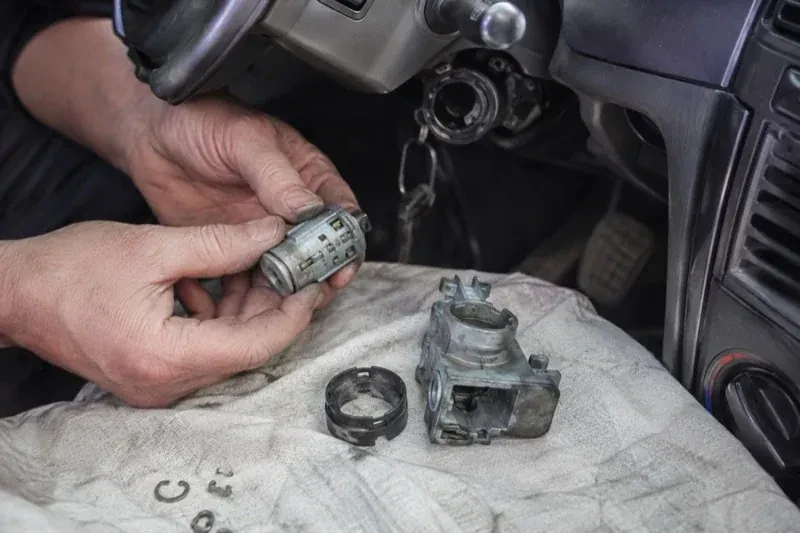
Ignition Lock Repair in Tutela Heights
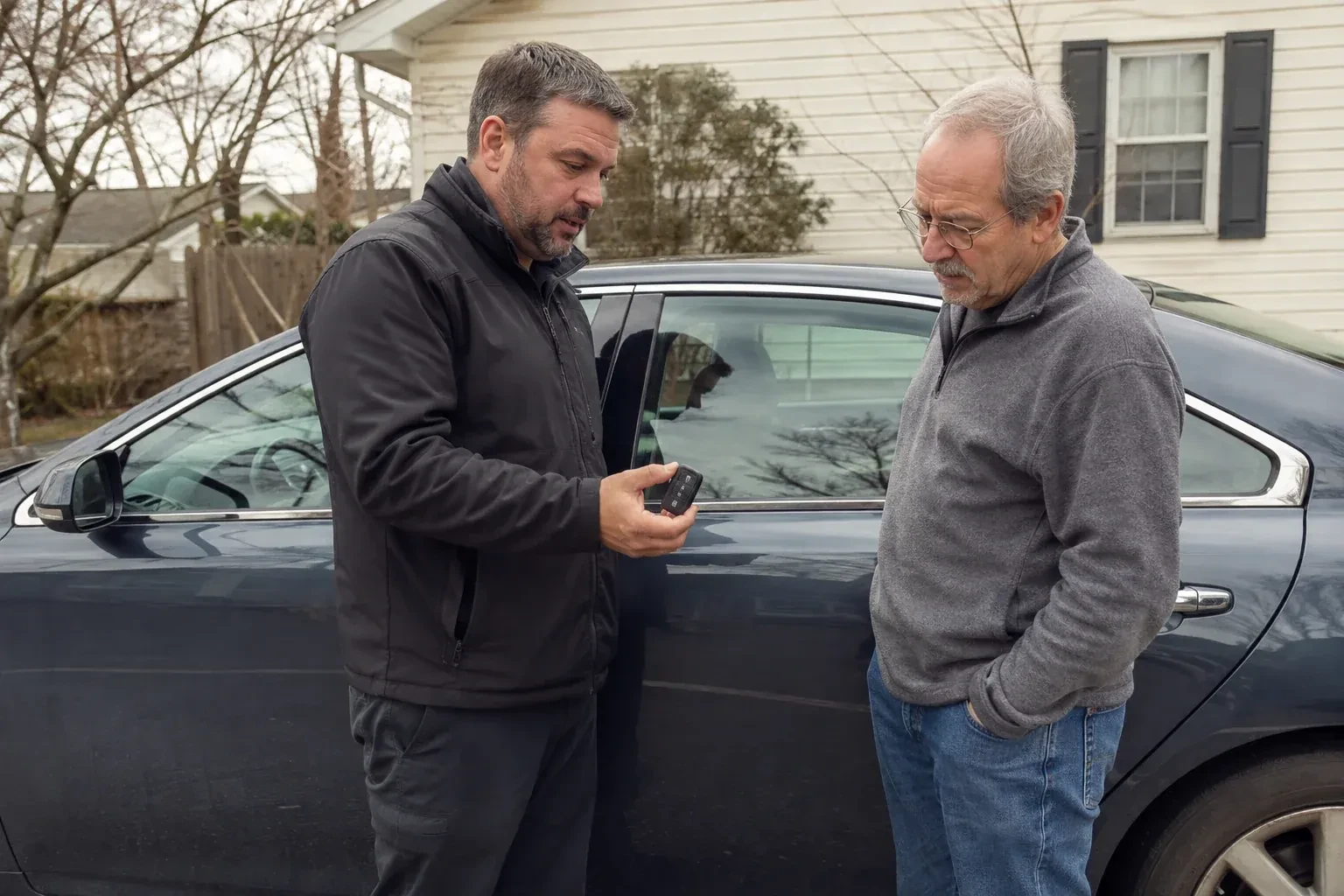
The car arrived with one worn-looking key and a story about a lost spare.
In plain words
Whether the key won't insert, won't turn, turns without engaging anything, or is stuck and refuses to come back out, each version of the symptom points toward a different part of the mechanism. A key that spins loosely usually means something has disconnected inside; a key that won't insert usually means the barrel or the key itself is the obstacle. Naming the exact behaviour on the phone lets the locksmith bring the right tools before ever touching the vehicle.
How the visit goesThe key turned the engine off in the driveway and now refuses to come back out. Wiggling it, pushing the shifter through every gear again, even leaning gently on the wheel; the barrel keeps holding on to it regardless.
Ignition Lock Repair
How the visit goes
Mechanical fault or electronic fault
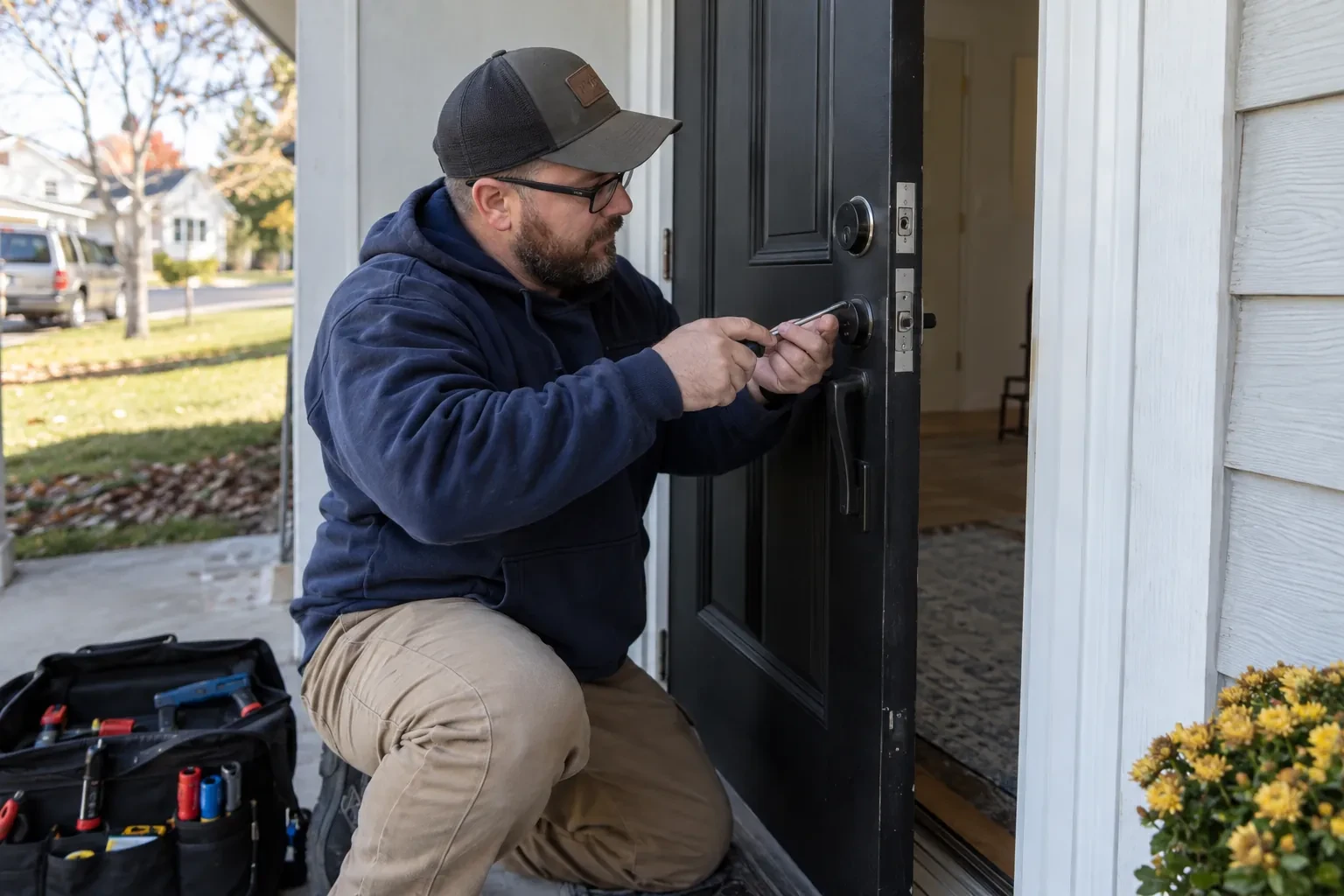
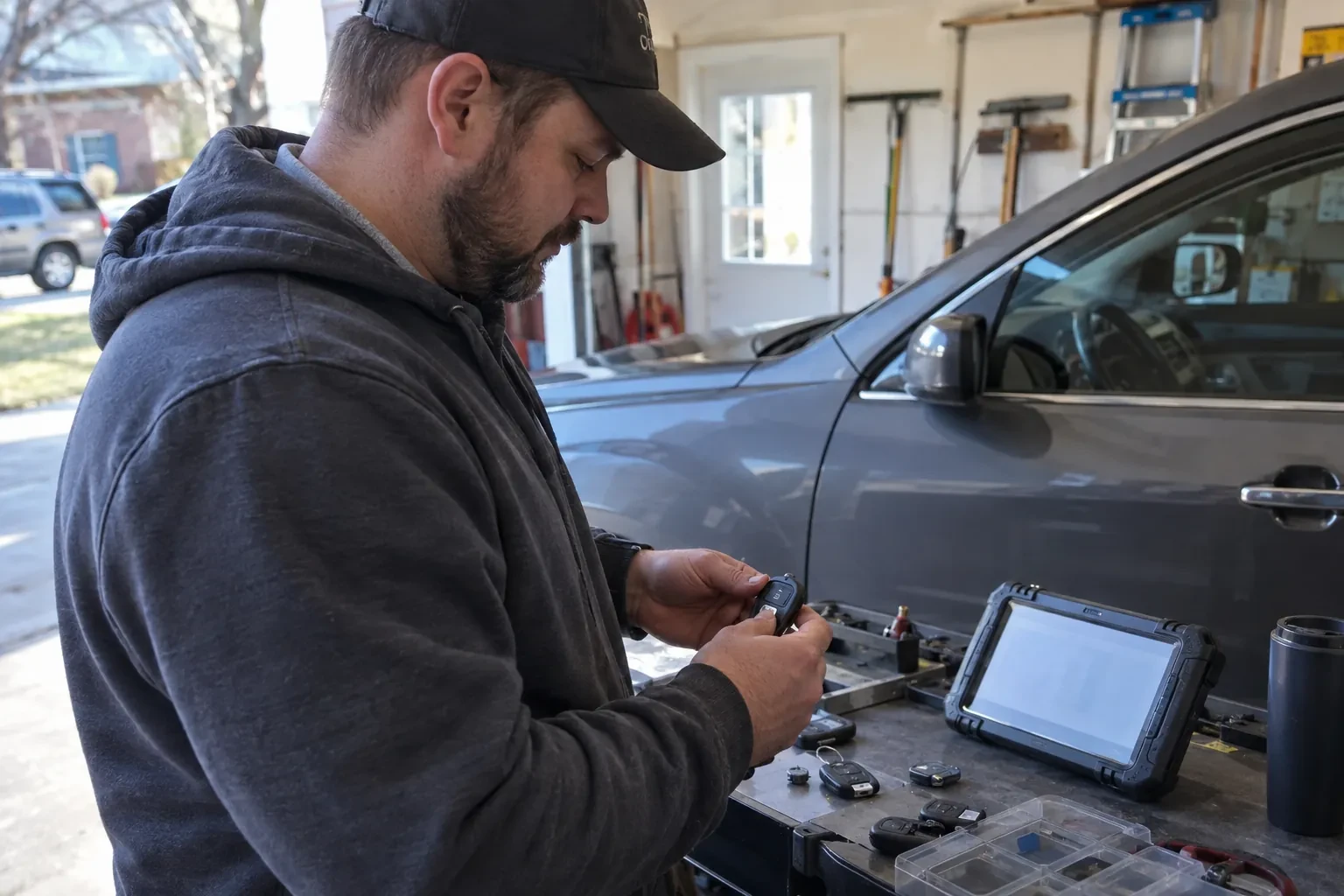
A cylinder that turns cleanly but leaves the vehicle silent makes a mechanical keyway fault less likely, though the cause can still be the immobilizer, the transponder chip, the wiring behind the switch, or an unrelated starting fault such as the battery, starter or park/neutral circuit. The locksmith checks whether the barrel physically moves through accessory, on and start, whether the steering lock disengages, and whether dash lights respond at each position. Where the mechanical side checks out cleanly, the remaining question is named and set aside as separate, dealer-level work rather than folded into the same repair.
Working around the steering column carefully
Reaching some ignition cylinders means removing steering column trim and shrouding first, and that work is done with the fasteners and clips the vehicle was built with rather than force. Wiring and components near the column, including anything related to the airbag system, are left exactly as found and never disturbed unnecessarily. Once the cylinder is serviced or replaced, every panel and clip goes back the way it came off, so nothing rattles or sits loose afterward.
Ready for the next stretch of rough weather
After a repair prompted by grit, salt or old grease, the cylinder is dried, cleaned and freshly lubricated, which carries it through a good stretch of the next season's driving. Keeping the key itself clean and dry, and avoiding a heavy keyring that drags on the barrel every time the vehicle starts, both help the repaired mechanism hold up through the weather that caused the original problem in the first place.
Ignition Lock Repair
In the van
Plug follower
Pick and tension tools
Retaining pins and clips
Steering column trim tools
Dry graphite or PTFE lubricant

Ignition Lock Repair
What affects the quote
Age and history of the vehicle
An older vehicle may have hardware that is harder to source, or wear built up over many years of daily use, while a vehicle with a known repair history gives the locksmith a clearer starting point.
Aftermarket wiring near the ignition
A remote starter, an alarm, or other aftermarket wiring tied into the column changes what the locksmith has to work around and identify correctly before the mechanical repair can proceed safely.
Time needed to test every position
Cycling the ignition through every switch position and the steering lock, more than once, with the engine started and stopped to confirm the repair holds, adds a small amount of time on top of the repair.
What to have ready
- Where is the vehicle parked right now?
- Is any part of a key broken off inside the ignition?
- Has anyone already tried to force the lock?
Ignition Lock Repair: questions
QuestionsI just bought a used vehicle with one worn key. What should I expect?
A single worn key is a common starting point after buying used, and the visit usually has two parts: reading the existing wafers so a crisp new key can be cut, and deciding whether the barrel itself needs a service given whatever wear the previous owner's key left behind. Bringing whatever paperwork came with the sale helps confirm ownership before any work begins.
What if there are scratches or damage around my ignition slot already?
That is noted honestly before any work begins, since it often means an earlier attempt was made on the lock. Damage like this usually points toward a full cylinder and housing replacement rather than a simple service, because the internal parts of a lock that has already been forced are rarely trustworthy afterward. You are shown what was found before deciding how to proceed together.
Does cold or wet weather affect an ignition cylinder?
It can. Road salt, grit and moisture from a slushy season work their way into the keyway over time, and old grease inside the mechanism can stiffen in the cold. A barrel affected this way is cleaned, dried and treated with whatever lubricant the vehicle's own service information calls for, which helps it move freely through the next stretch of similar weather ahead.
Related services
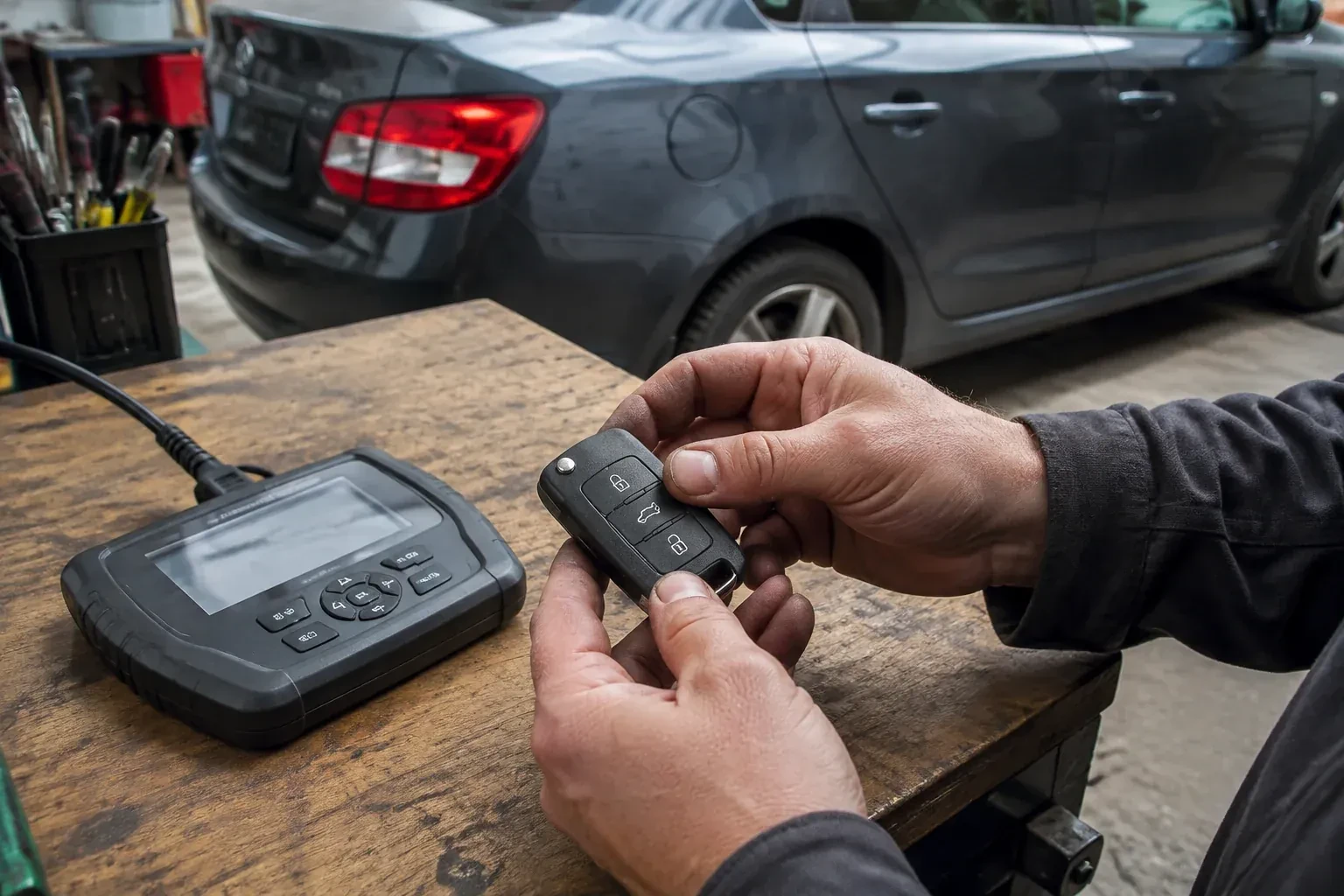
- Car Key ReplacementThe car is yours now, but somebody else still holds a key to it.
- Spare Car Key DuplicationA lockout last month ended with a locksmith opening the door and going home, and the same single key has been carried ever since with nothing behind it.
- Key Fob ProgrammingA fob went missing weeks ago somewhere between a coat pocket and a parking lot, and a spare has covered the gap since.